Ground ingredients
Browse chili and paprika powders when comparing ground presentations. Request the actual grind or mesh specification and the heat and colour information relevant to the chosen powder.
Choose chili and spice ingredients around the preparation your business makes. Begin with the intended process, the ingredient identity and the physical result you want, then compare the actual product specifications. A sauce developer, seasoning blender and professional kitchen may need different forms even when each enquiry begins with red chili.
Build a shortlist from the ingredient catalogue. Keep the selected product link with the proposed use so that composition, handling and acceptance questions refer to the same material.
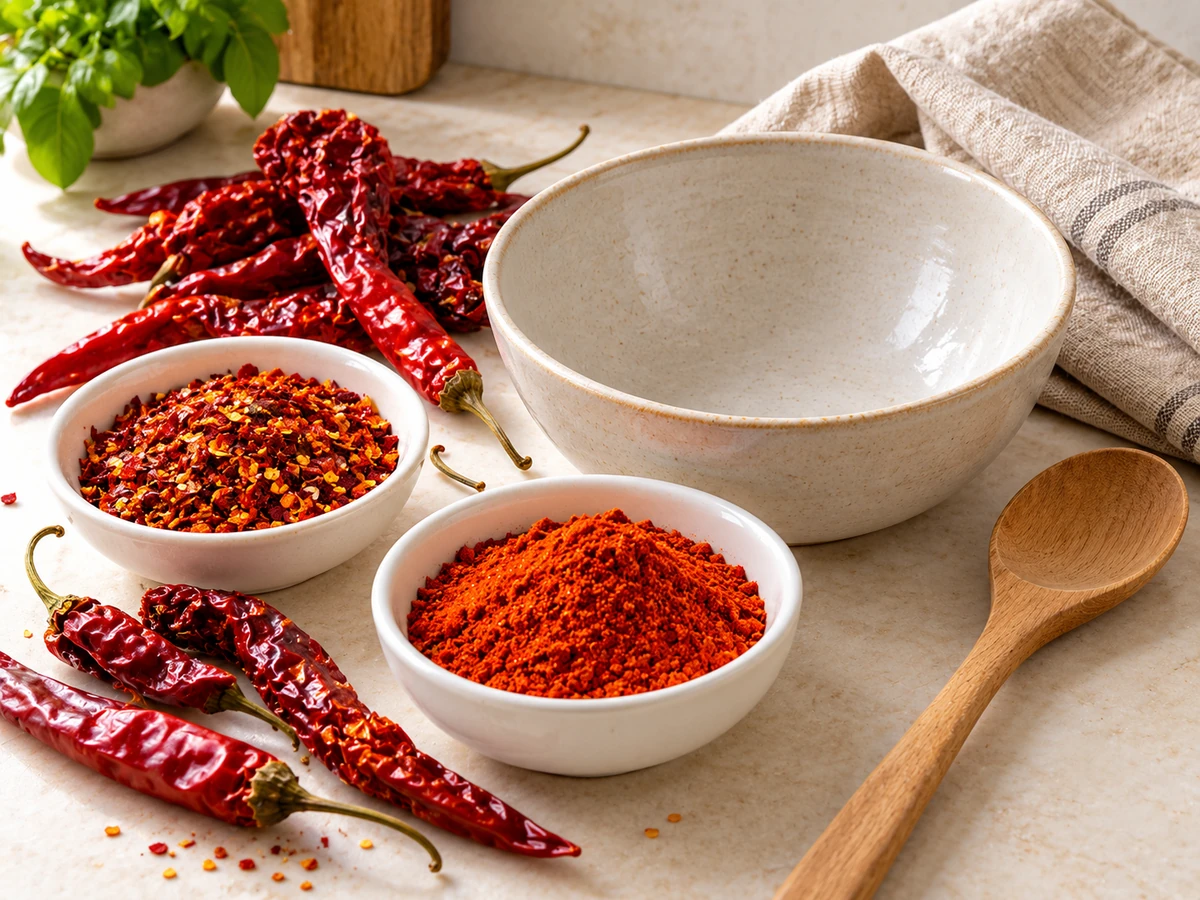
For a manufacturing enquiry, describe where the ingredient enters the preparation: a dry blend, a liquid mixture, a coating, a filling or another food process. State the required powder, flake, cut or whole presentation, and identify the colour, heat, ingredient declaration and particle criteria that affect the finished food.
Browse chili and paprika powders when comparing ground presentations. Request the actual grind or mesh specification and the heat and colour information relevant to the chosen powder.
Use flakes and cuts to compare the listed piece dimensions, particle presentation and seed information. Include the required visible form in the ingredient brief.
The seasoning blend range includes listings for different food preparations. Identify the selected flavour and obtain its ingredient and allergen declaration before evaluating the blend in your recipe.
For example, the catalogue includes noodle-seasoning flavour directions. An enquiry should identify the actual flavour and formulation required for the soup or noodle preparation.
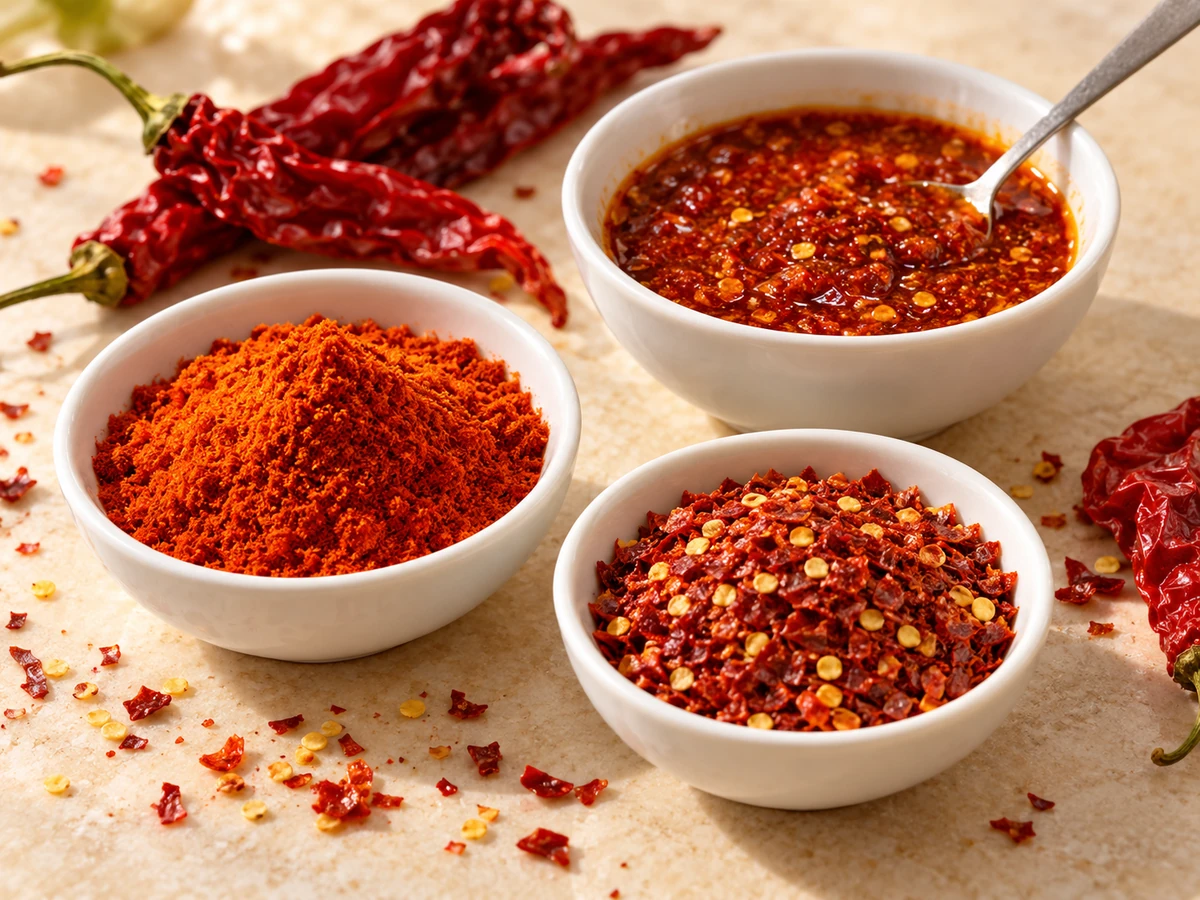
For a sauce or marinade, first distinguish a dry spice ingredient from a prepared sauce, paste or preserved pepper. Compare the actual formulation and physical form you want to add. A powder, flake, fresh pepper and frozen ingredient each needs its own product and preparation specification.
The catalogue includes a semi-solid chili, garlic and oil condiment described for cooking and dipping, as well as dry ingredients. Its prepared formulation should be evaluated separately from a single-spice chili powder.
For hot pot, connect the enquiry to a listing that actually describes the preparation. One route is the red-pepper powder and flake offer for hotpot dipping: specify which form and packing you want, then confirm its actual ingredient and taste information.
Discuss the proposed use and handling with the selected material. The application category is a browsing route; final suitability depends on that product's formulation, preparation instructions and the requirements of your food.
Professional kitchens can make an enquiry more precise by naming the menu preparation, the spice form and the quantity needed. Add the desired pack arrangement and any ingredient or allergen requirement. Importers and wholesalers should also state the destination and the product, label or documentation criteria relevant to their purchasing project.
Identify whether the request concerns an ingredient for further preparation or a prepared condiment. Include the actual product reference when comparing a seasoning blend, a sauce or preserved pepper with a single spice. This keeps formulation and handling questions attached to the appropriate offer.
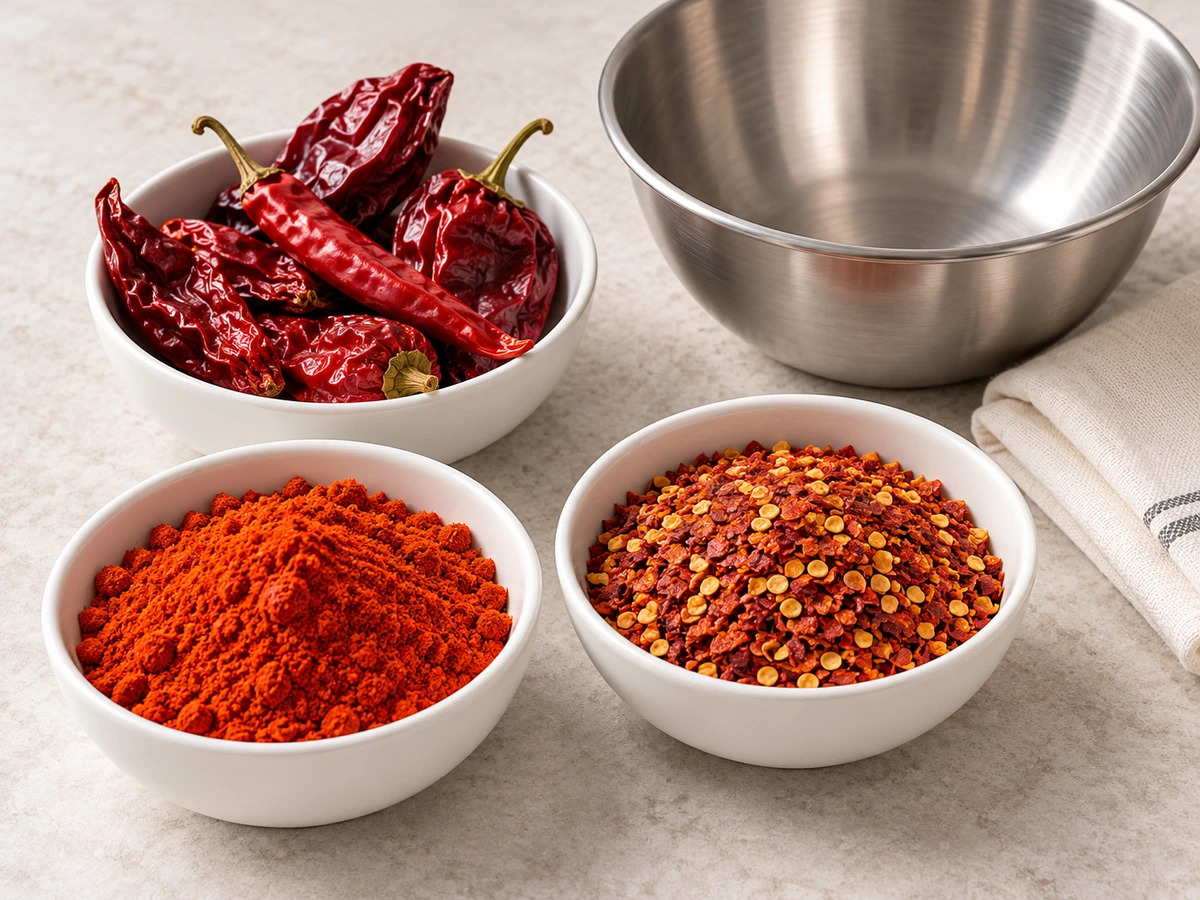
Explore sauces and preserved peppers or review frozen pepper and vegetable ingredients where those supply directions match your intended preparation.
Use the same short brief for the product shortlist and the quotation discussion. State a buyer requirement explicitly when it goes beyond the parameter described on a product page.
Continue with the product-specific procurement guide or send the brief directly to our team.
Send your application brief