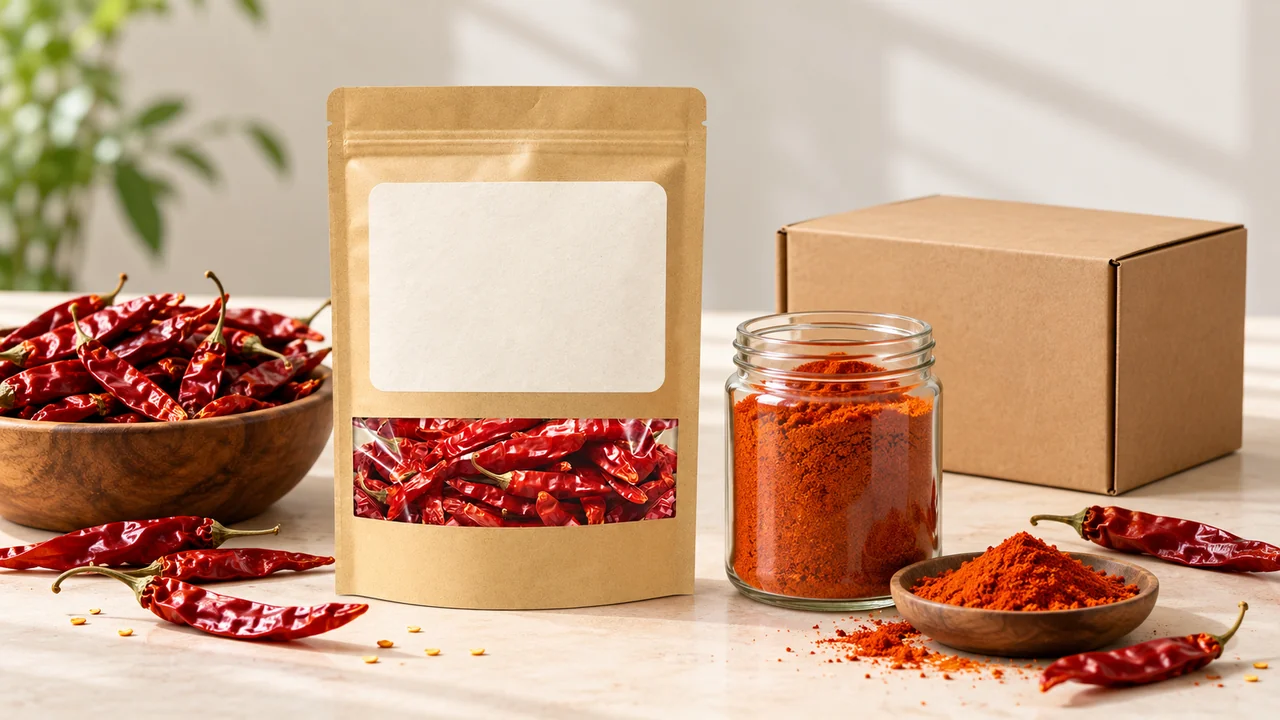
Make packing and handling part of the ingredient request
A bulk spice enquiry needs more than an ingredient name and a total quantity. The packing arrangement, supplied condition and applicable handling instructions help define what will be received and how it fits the purchasing project. Keep these details attached to the selected product from the first enquiry.
Different catalogue materials need different questions. A dried powder, a frozen pepper, a prepared condiment and a packing item should each be assessed through its actual specification. Start with the ingredient identity and offered option, then establish the package, quantity and handling information relevant to that material.
This article provides a practical checklist for the discussion. It describes questions to agree with the supplier, rather than one storage rule or transport promise for the entire catalogue. Use it alongside the bulk spice procurement guide when preparing an RFQ.
Separate the total quantity from the amount in each pack
State how much product you want to purchase, then describe the desired amount in each bag, pouch, container or other unit. If cartons or another outer arrangement matter, identify those separately. A per-pack amount does not establish the total order, and a total quantity does not define its packing.
Read the actual product information before copying a weight into the enquiry. A generic weight entry, a named net specification and an explicit packing description may concern different levels of information. Ask which amount applies to the offered unit and how any inner and outer packs are arranged.
Keep the quantities understandable without adding your own unconfirmed mapping. Where a listing gives several amounts or formats, ask which combination the proposed supply covers. Record the answer with the selected product reference so later quotation comparisons use the same unit and arrangement.
Describe the package needed by the receiving process
Identify the package format your business wants to handle. State any relevant unit amount, closure, labelling or outer-pack requirement, then ask which arrangement is proposed for the selected ingredient. Keep a requested format distinct from the packing already described in the catalogue.
If the product offers several packing directions, identify the selected arrangement rather than assuming they all describe one configuration. Ask how the unit, carton and any pallet information fit together. Where a feature affects acceptance, obtain the actual package specification or relevant product information.
The enquiry can also explain the receiving task. A kitchen, a blending operation and an importer may have different requirements for how units are identified and handled. Describing that task gives the supplier a practical basis for discussing the actual pack without inventing one standard arrangement for every buyer.
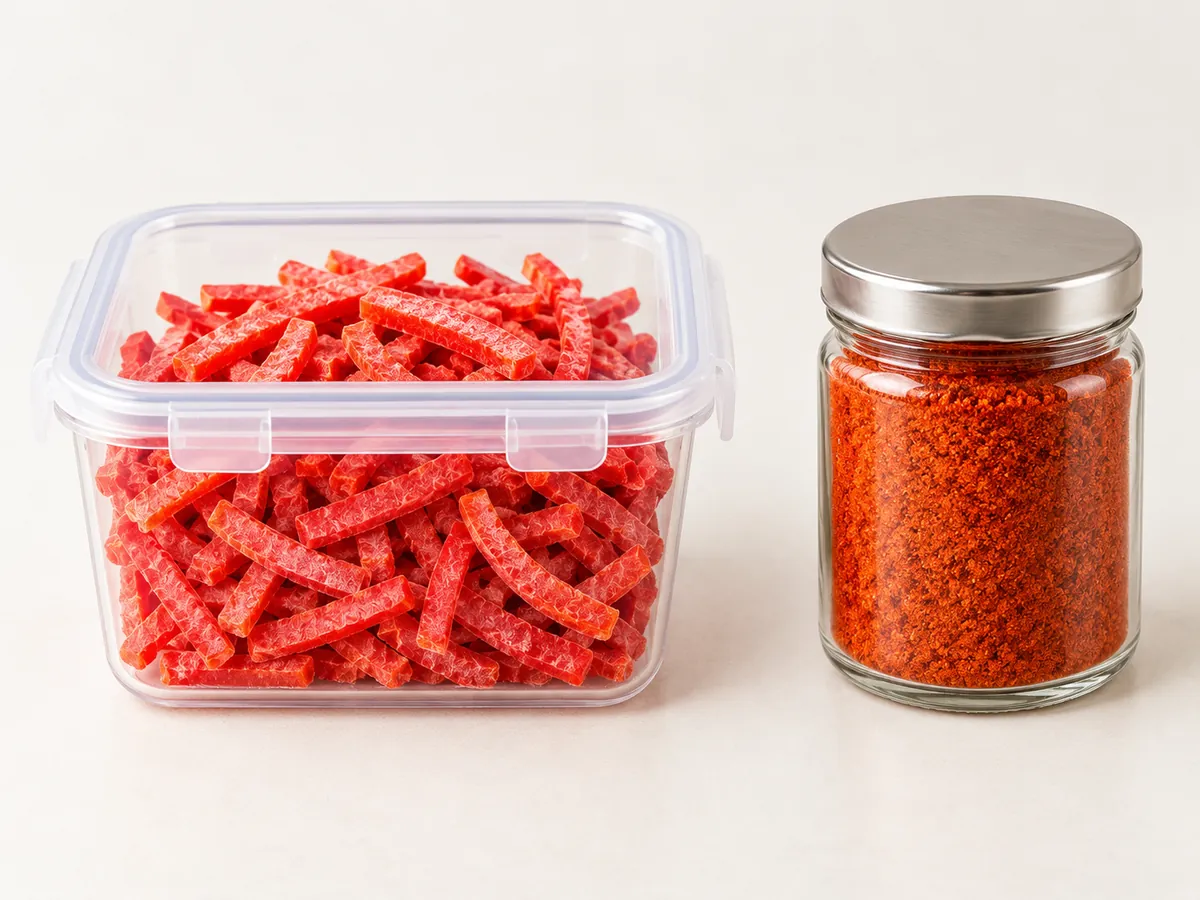
Keep ingredient supply separate from a container listing
The catalogue includes packing items as well as spice ingredients. Establish whether the product being discussed is the food ingredient, a filled product arrangement or the pouch or container itself. A category connection or product photograph does not settle that question.
For a container, ask for its actual material, dimensions, closure and intended application. If compatibility or food-contact requirements determine selection, identify the required information and ask for the relevant documents. Keep those questions tied to the actual item being offered.
For an ingredient, confirm which packing is included in the quotation. A requested custom format needs its own scope and conditions. Make the relationship clear so the enquiry does not accidentally compare a packing-item price with an ingredient supply arrangement.
Read shelf life together with the applicable conditions
A shelf-life statement needs the storage and packing context that applies to the actual product. Read the selected listing and ask for the relevant instructions when the conditions are incomplete. Keep the stated duration, unit and any applicable temperature or environment requirement together.
Do not assign a missing unit from a nearby listing. A number without months, years or another identified period needs clarification. Likewise, a description of dried style or a named processing method does not by itself provide a complete storage instruction.
Record the actual information needed for your receiving and use plan. Ask which instructions apply to the proposed pack and how the relevant date or lot information will be identified. This keeps the duration attached to the material and arrangement being considered, rather than treating it as a catalogue-wide promise.
Ask about opening as a separate handling stage
Confirm the instructions that apply after the package is opened. Ask how the selected ingredient should be kept, whether an applicable use period is specified and which preparation directions need to accompany it. Keep this discussion separate from the unopened shelf-life statement.
Record the opening date and relevant handling information where your receiving and use process needs that context. For a product trial, keep the sample reference with those details so later observations can be understood. Use the actual instructions for the product and pack rather than carrying them across from a different ingredient.
A change in pack size can also change the practical use pattern of your business. Describe that pattern in the enquiry and ask for the applicable handling information. The goal is to choose an arrangement your team can identify and use according to the relevant product directions.
Give frozen ingredients their own receiving questions
For frozen pepper and vegetable ingredients, confirm the actual supplied form and temperature conditions. Identify whether the material is whole, cut, diced, puree or another described presentation. A named frozen process should remain connected to the selected ingredient and option.
Ask which packing, transport and receiving information applies to the proposed route. Obtain the product's relevant handling and preparation instructions, including any directions supplied for thawing or subsequent use. Keep those instructions with the selected material instead of substituting a general rule from another frozen product.
State the destination and any receiving requirements your business needs to meet. The supplier can then identify the actual arrangements to discuss. A dry-spice handling description should not be copied into a frozen-ingredient request merely because both products are chilies.
Include the destination and agree the quotation scope
Give the destination country and the relevant delivery location or receiving point. State any preferred trade arrangement and ask which responsibilities the written offer includes. Keep the packing, transport, documents and proposed dates connected to the same selected material.
Identify any destination-specific product or label information your purchasing project requires. Ask which relevant documents are available for the actual supply and how their scope applies. A product title mentioning an export market does not replace this project-specific discussion.
Review the commercial terms in the actual offer. Price scope, payment, freight responsibilities, dates and acceptance arrangements should be understood before the purchase is confirmed. The documentation guide can help structure the specification and document questions that accompany that discussion.
Use one review sheet for the material and its pack
| Check | Keep with the selected product |
|---|---|
| Identity and form | Actual ingredient, option and relevant specification. |
| Order and packing | Total quantity, per-unit amount and confirmed inner or outer arrangement. |
| Handling | Applicable storage conditions, duration and opened-pack or preparation instructions. |
| Destination and documents | Receiving location, required information and relevant document scope. |
| Written offer | Actual price scope, responsibilities, dates and acceptance arrangements. |
Identify any open point before comparing the offer with another supplier or material. Where the proposed pack differs from your request, ask which specification and handling instructions accompany the alternative. Keep the response in the review record.
Compare offers only after their packing scope is clear
Two offers can use the same ingredient name while covering different unit amounts, outer packs or supplied conditions. Put those differences on the review sheet before drawing a purchasing conclusion. Ask each supplier to identify the actual material and arrangement being offered against your request.
If one response describes an alternative, keep it as an alternative with its own reference. Review the relevant packing and handling information and identify any additional receiving requirement. This avoids attaching the instructions for the preferred arrangement to a different proposed supply.
Carry the confirmed details into the written record used by the team. A clear comparison can remain concise when it identifies the actual product, quantity, pack and responsibilities rather than relying on a broad bulk-supply description.
Pass the agreed information to the receiving team
The final purchasing reference should be understandable beyond the person who prepared the enquiry. Keep the product, selected pack, quantity and applicable instructions together. Include the lot or date information and relevant documents supplied for the actual purchase.
If the agreed arrangement changes, update the receiving reference as well as the quotation discussion. Identify which handling or acceptance questions need clarification. This helps prevent an earlier pack description from being carried into a different supply without review.
The practical handover is a record of the agreed material and conditions. It should allow the team to identify what was ordered, which information applies and where to raise an unresolved question. It need not invent a generic policy to be useful.
Questions for the first packing enquiry
What should I send if I know only the total quantity?
Send that quantity with the product reference and destination. Explain the receiving task and ask which packing arrangements are proposed for the selected material.
Can I use the same storage instruction for every chili?
Read the actual selected product and pack instructions. Dry, fresh, frozen and prepared materials need their own applicable handling information.
What if the packing levels are unclear?
Ask how the offered unit, inner pack, carton and any pallet arrangement relate. Keep the confirmed mapping with the written offer rather than supplying an assumption.
Contact Velia Spices with the product link, quantity, desired pack and destination to begin a product-specific discussion.