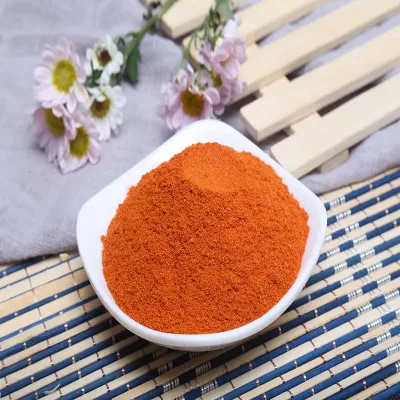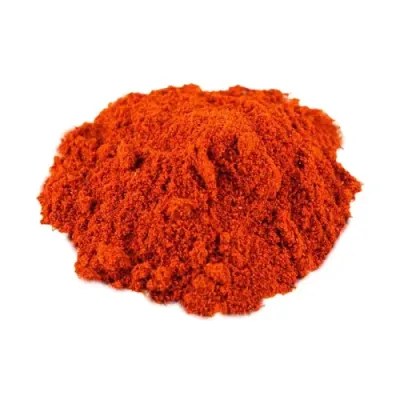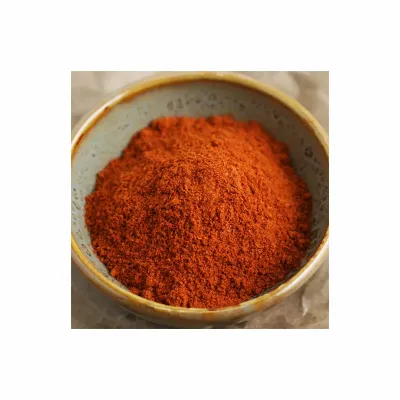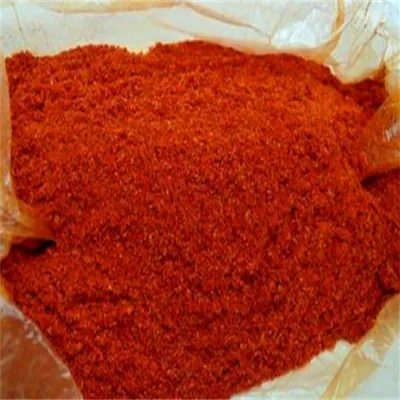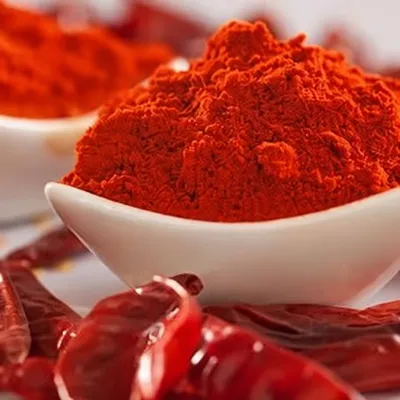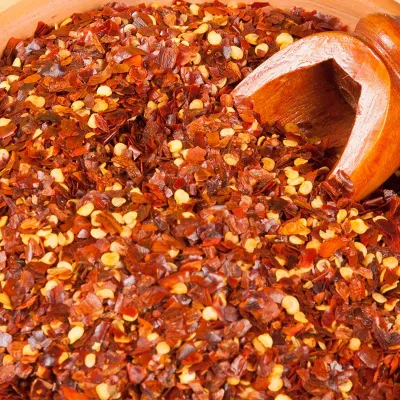
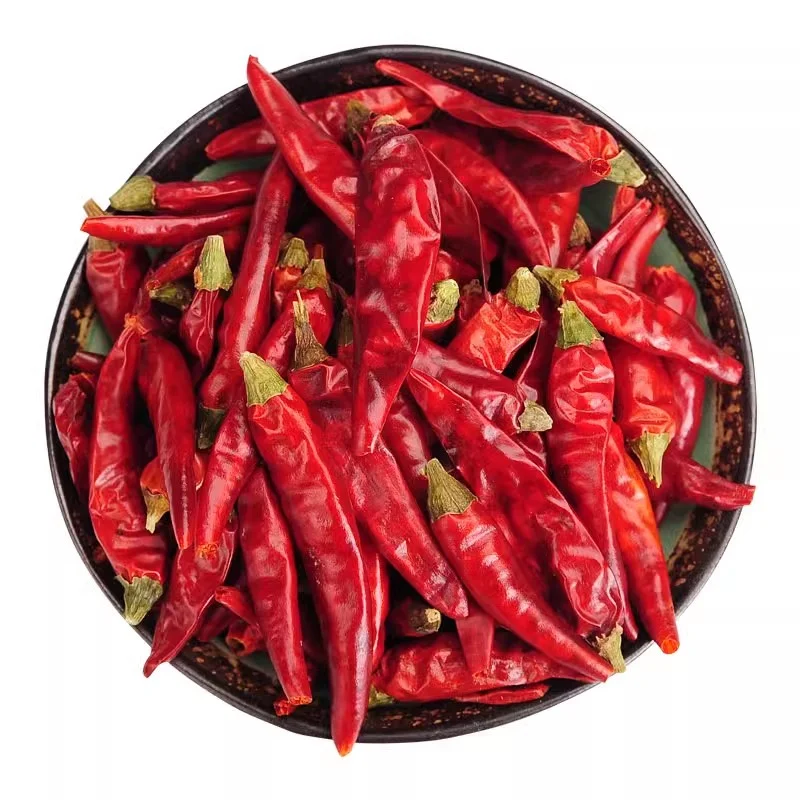
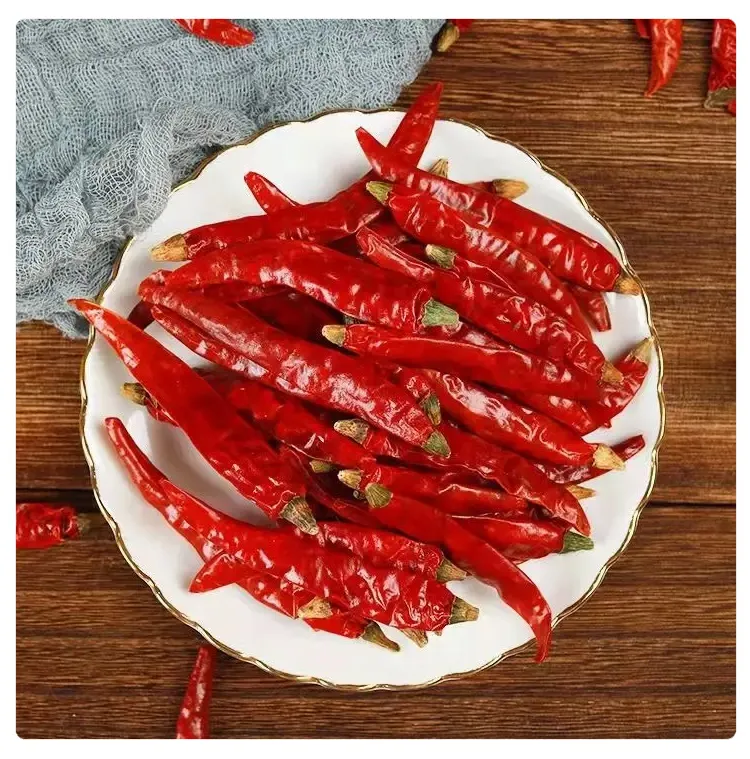
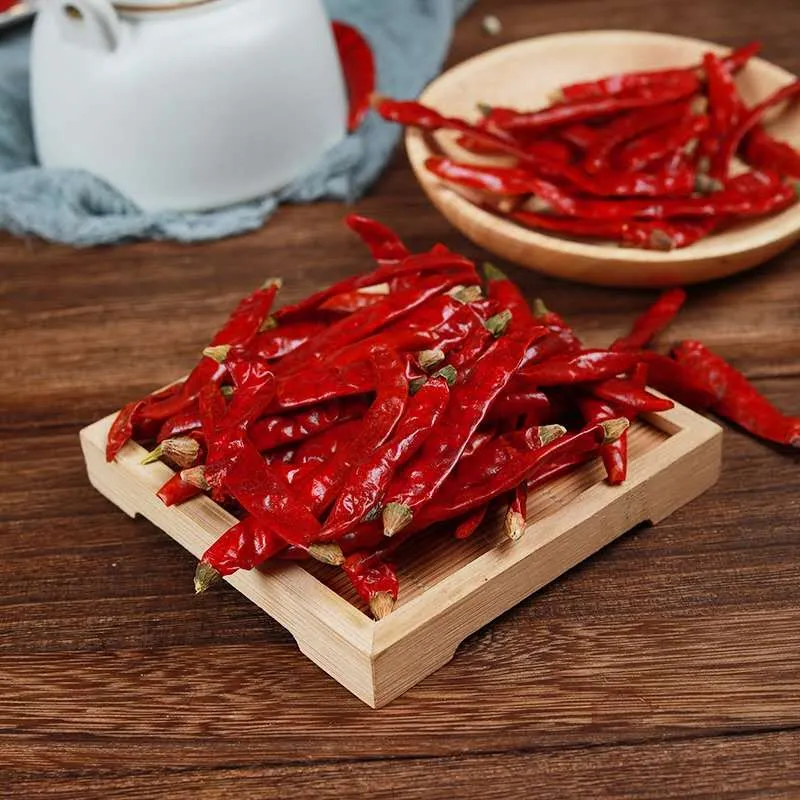
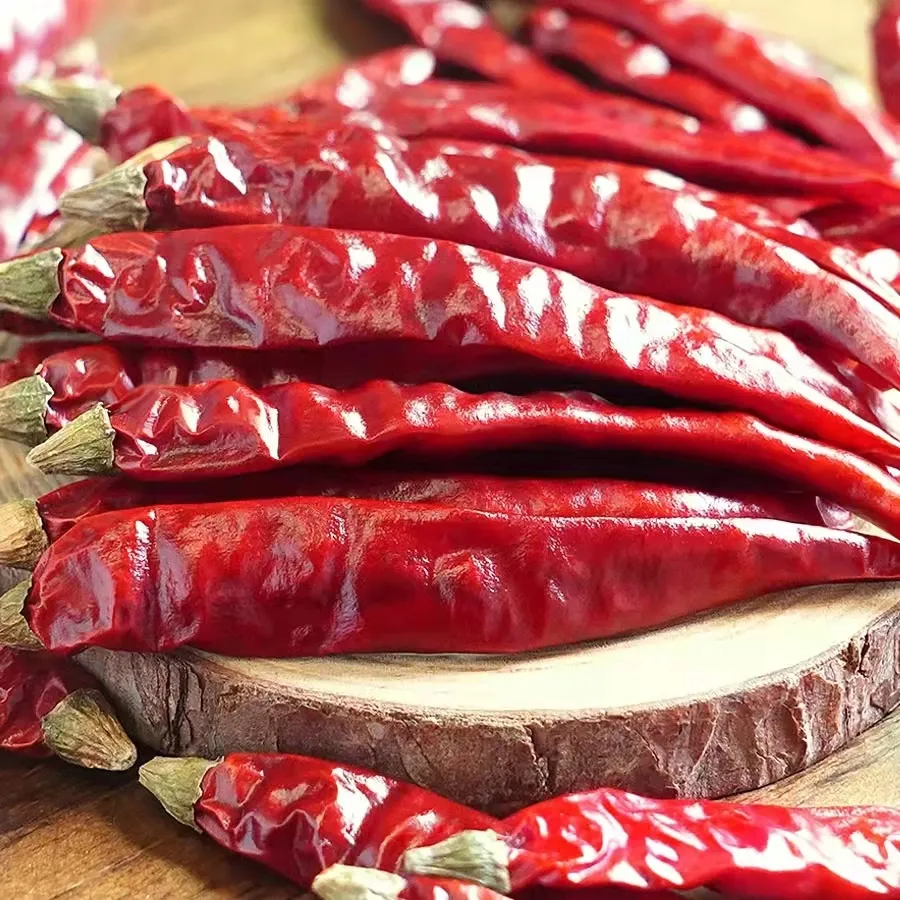
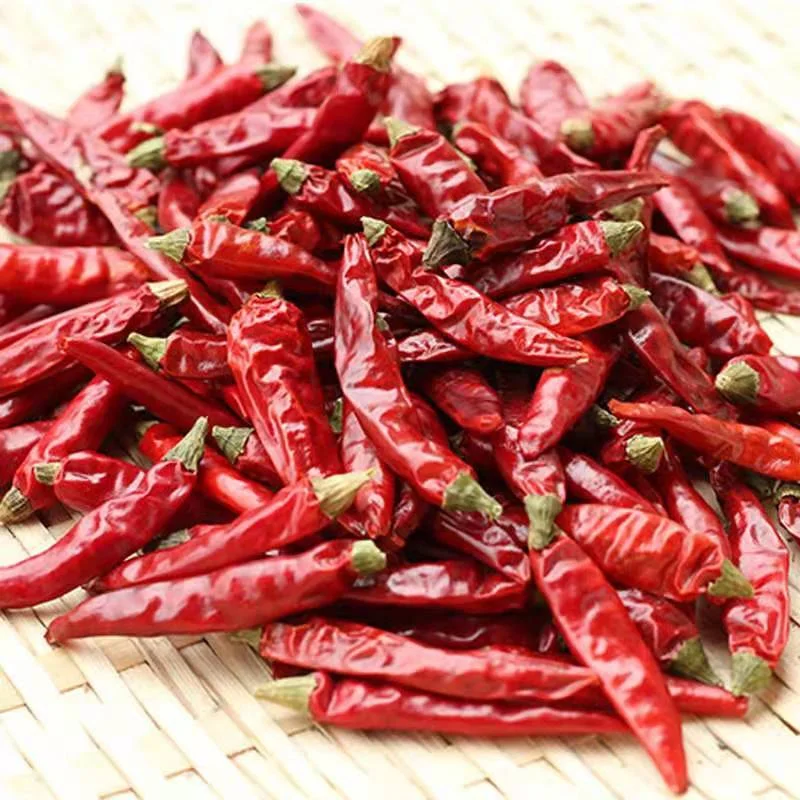
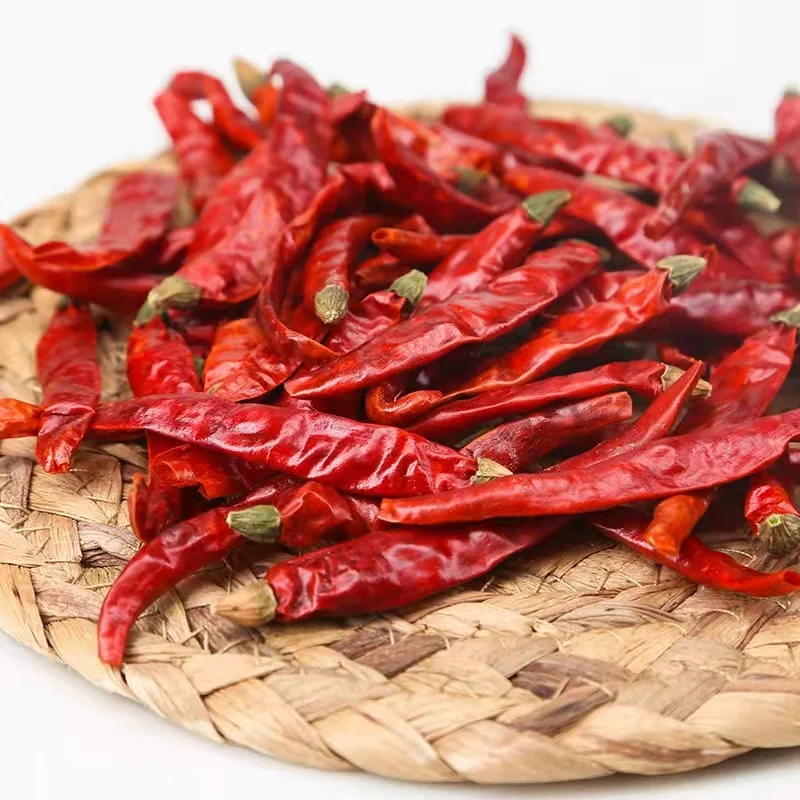
Red chili granules give this single-spice product a particulate identity that matters when choosing an ingredient for food cooking. The dried, raw AD-processed format is described as spicy. Evaluate the granules against the texture you want in the finished preparation, alongside the amount of heat your recipe requires.
Build a texture-led chili trial
Start by deciding whether the red granules should remain noticeable in the finished food or be incorporated during preparation. The granular designation does not define an exact particle measurement. A size-sensitive application therefore needs an agreed granule specification before a purchasing decision can rely on a particular appearance.
- Describe the intended food preparation and the role of the chili granules.
- Compare the desired texture with the proposed material under the same recipe conditions.
Separate spicy taste from a heat measurement
The spicy character is useful for initial ingredient selection, while a numerical pungency target remains a separate requirement. Establish how the red chili will be assessed in your own cooking process and communicate that target clearly. This avoids substituting a broad taste description for a recipe-specific heat specification when planning repeat production.
Bring carton supply and storage into the enquiry
Carton packing provides the starting point for discussing how the red granules will move into your ingredient workflow. Check the packing arrangement against receiving and portioning needs, and follow the stated cold, dry storage conditions. Where moisture control matters, discuss the declared limit as part of the agreed product specification rather than assuming an unmeasured texture or handling result.
Combine your preferred granule size, cooking application and heat requirement in the purchasing brief. Keeping those choices together makes the single-spice chili easier to evaluate for the particular food you intend to make.