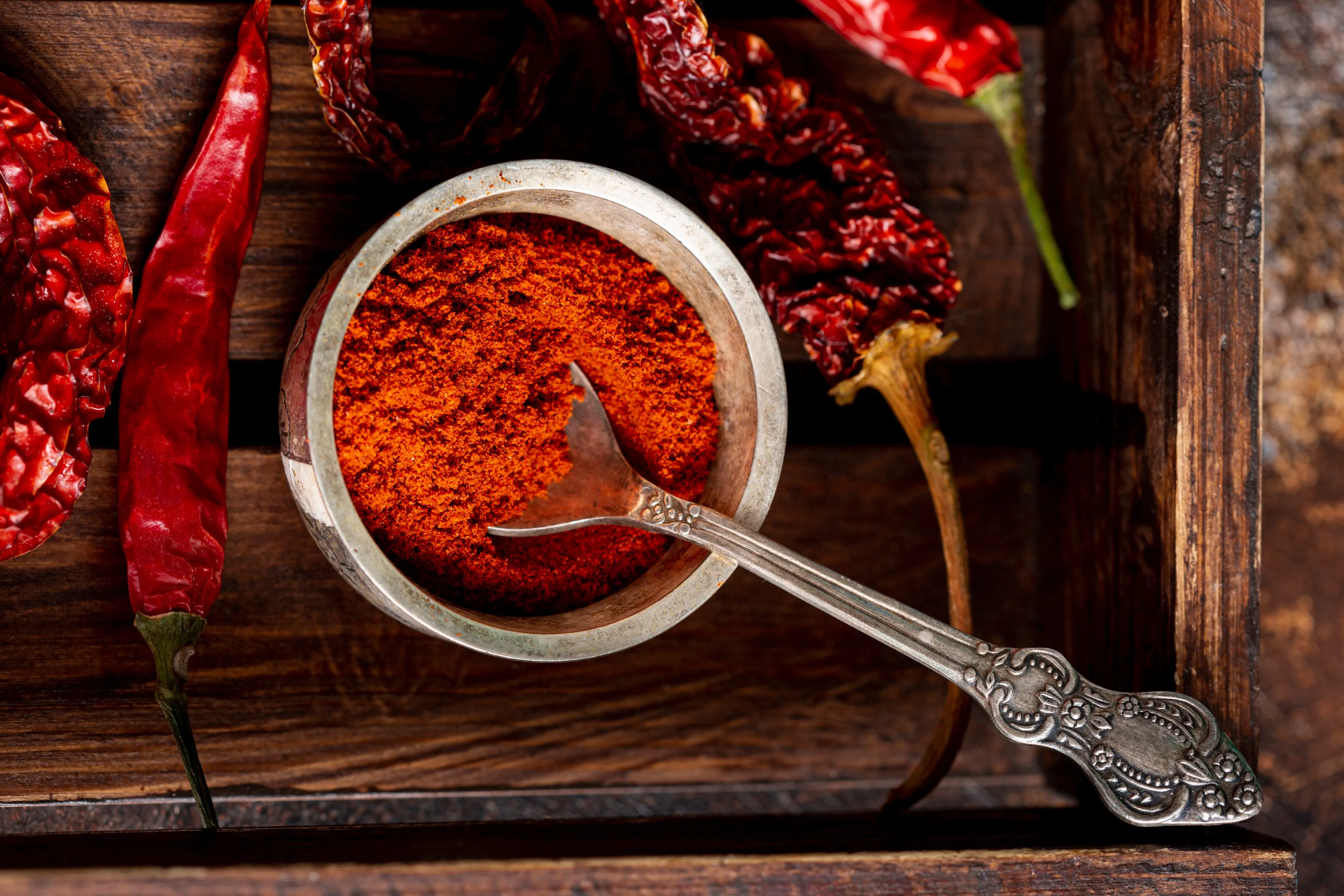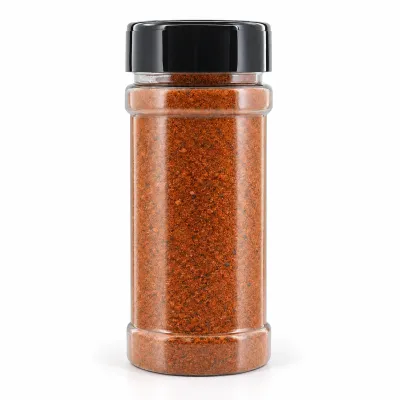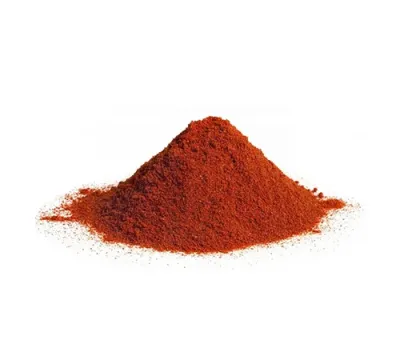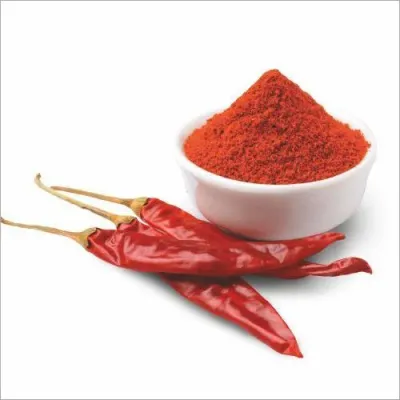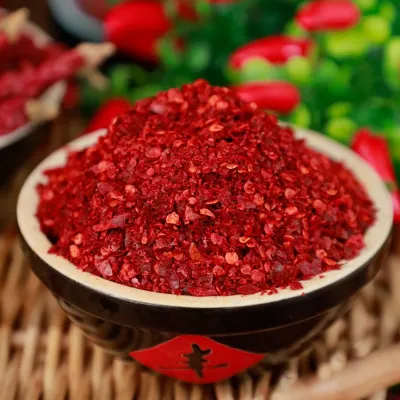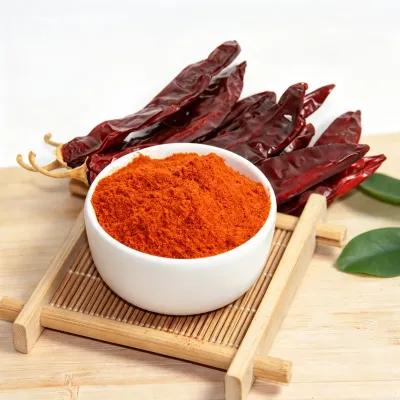
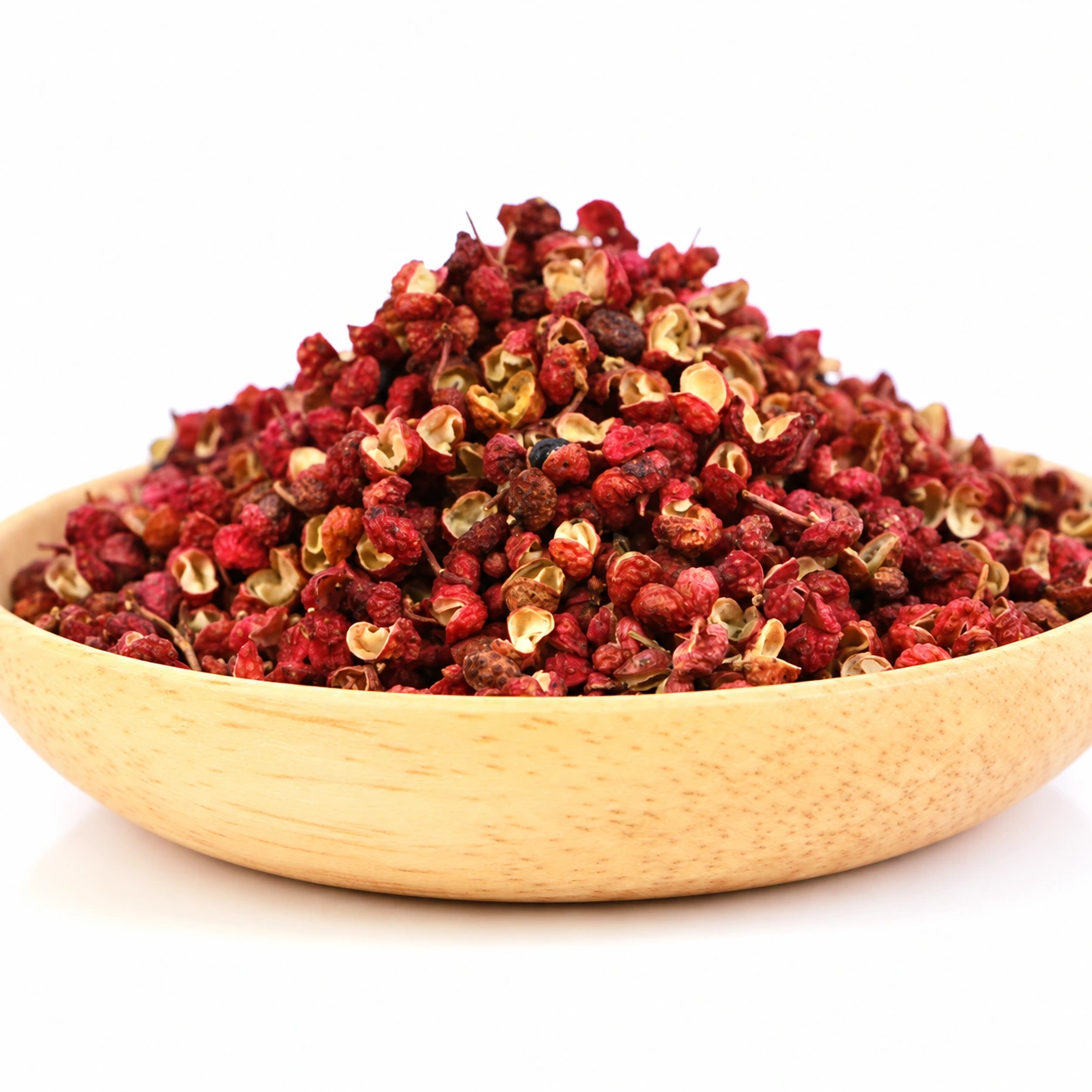
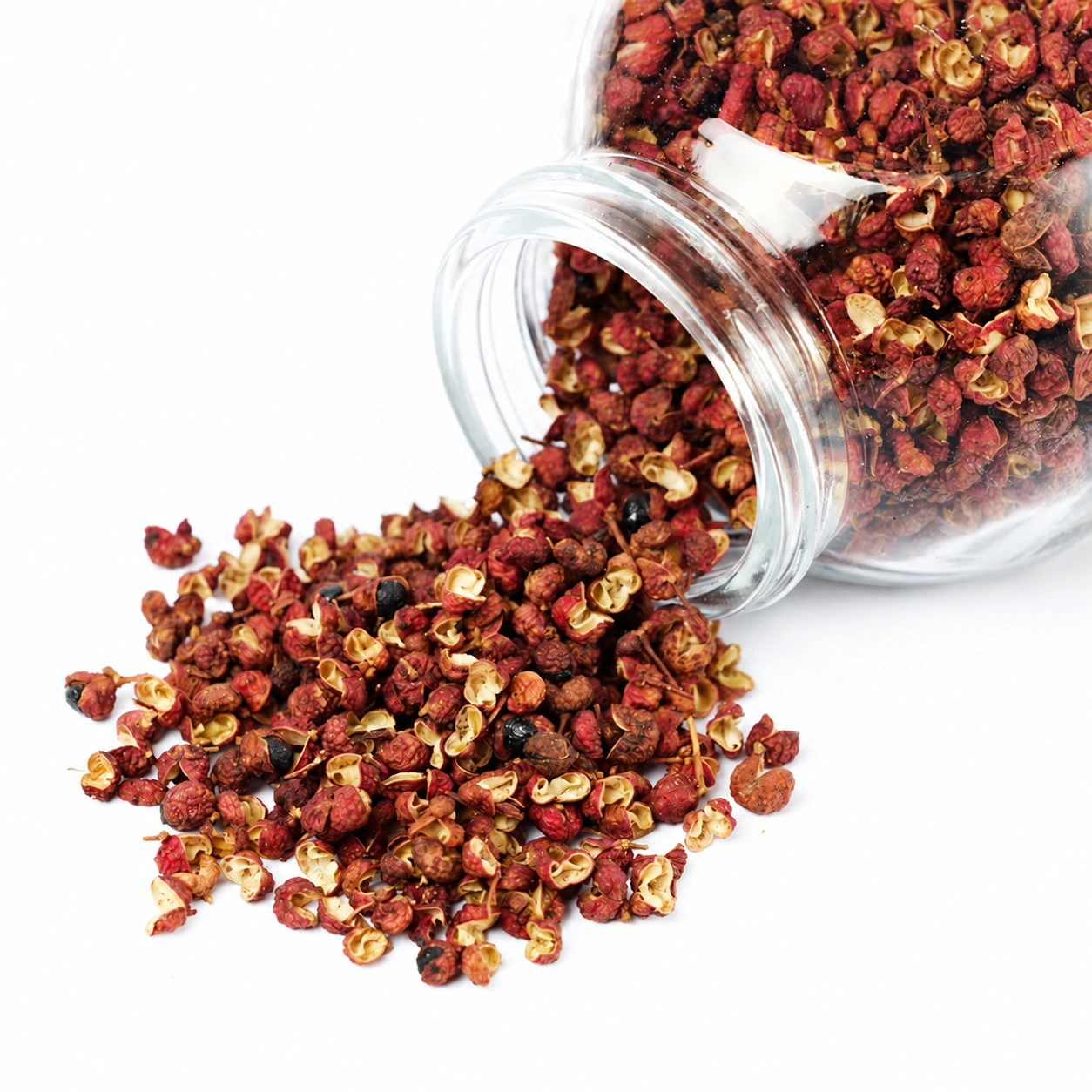
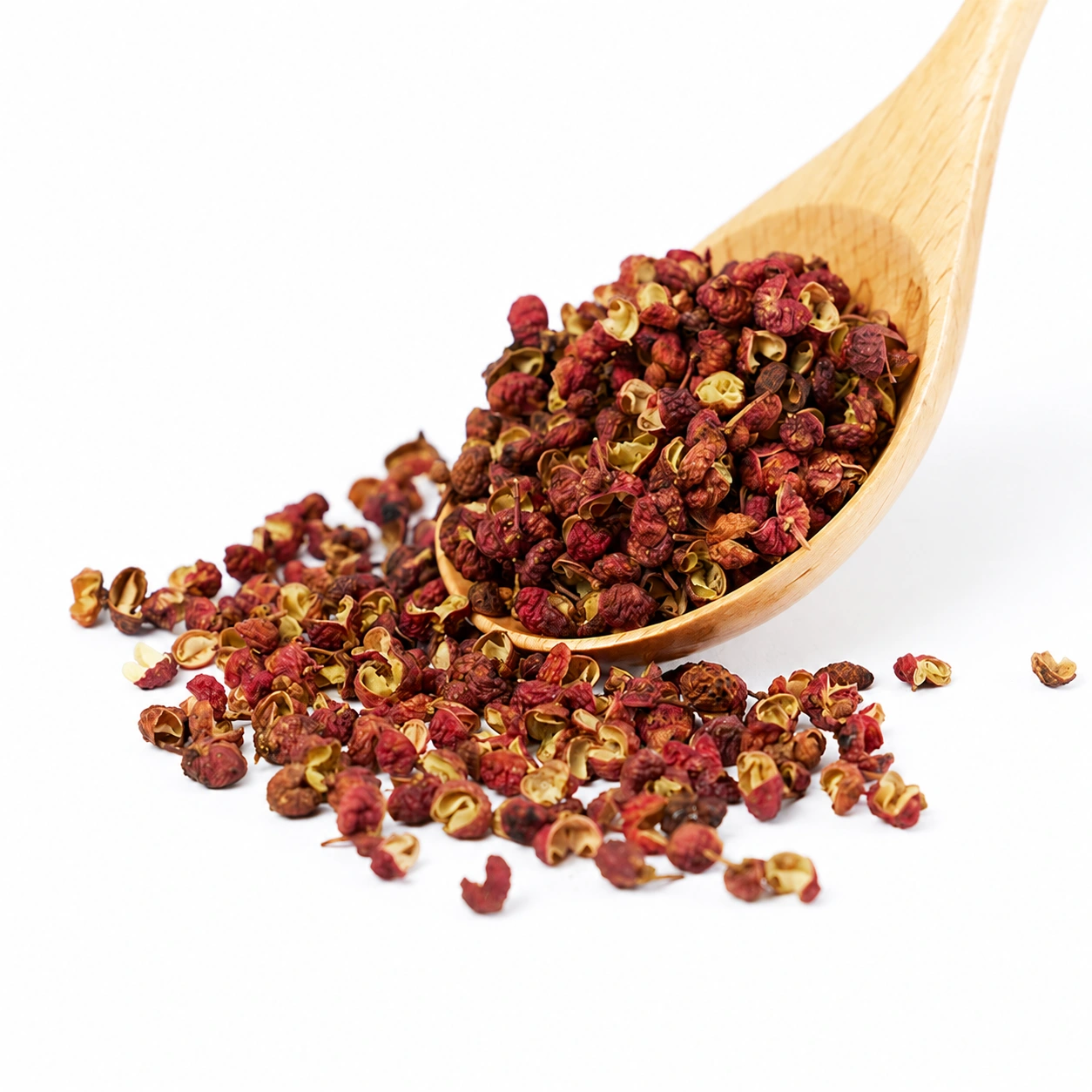
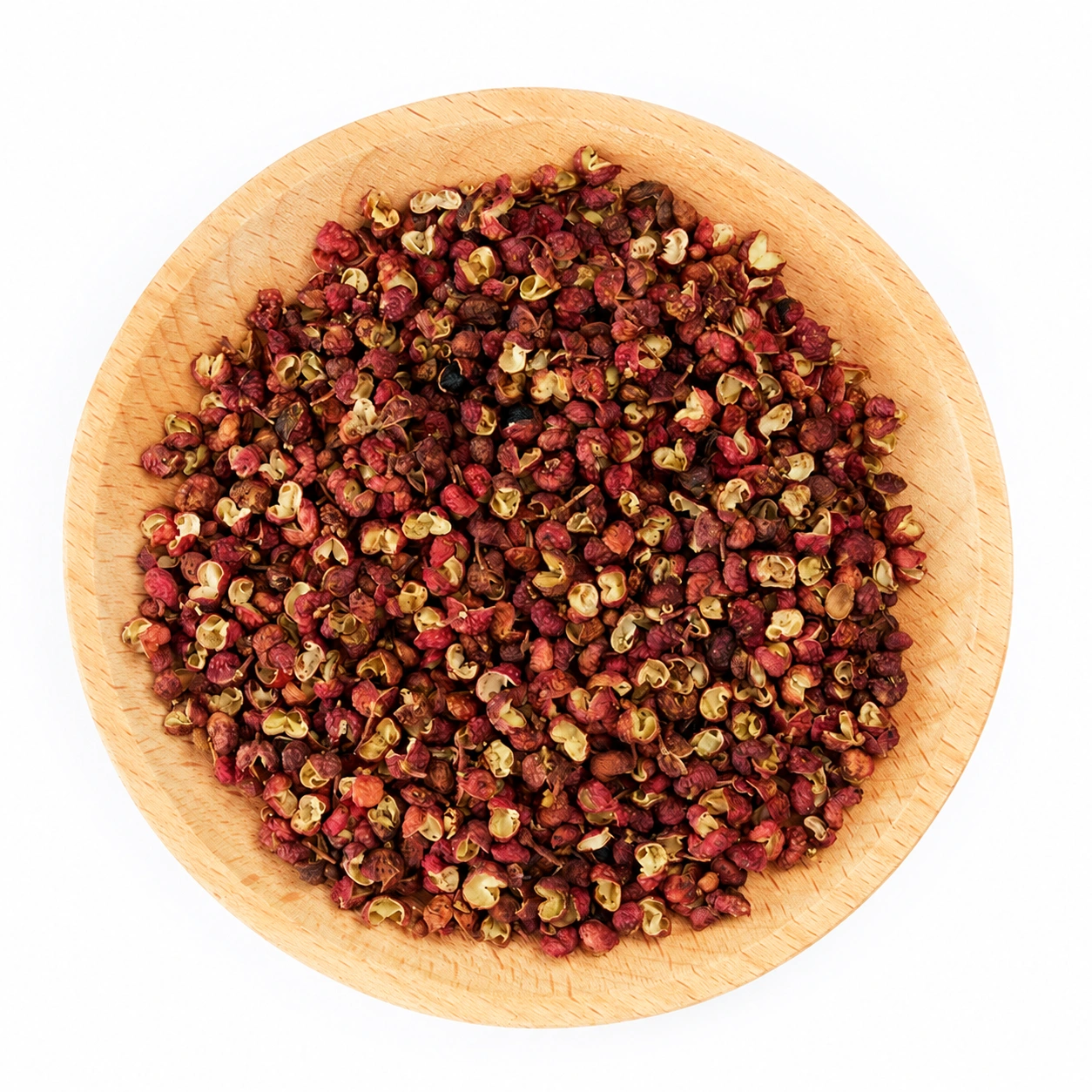
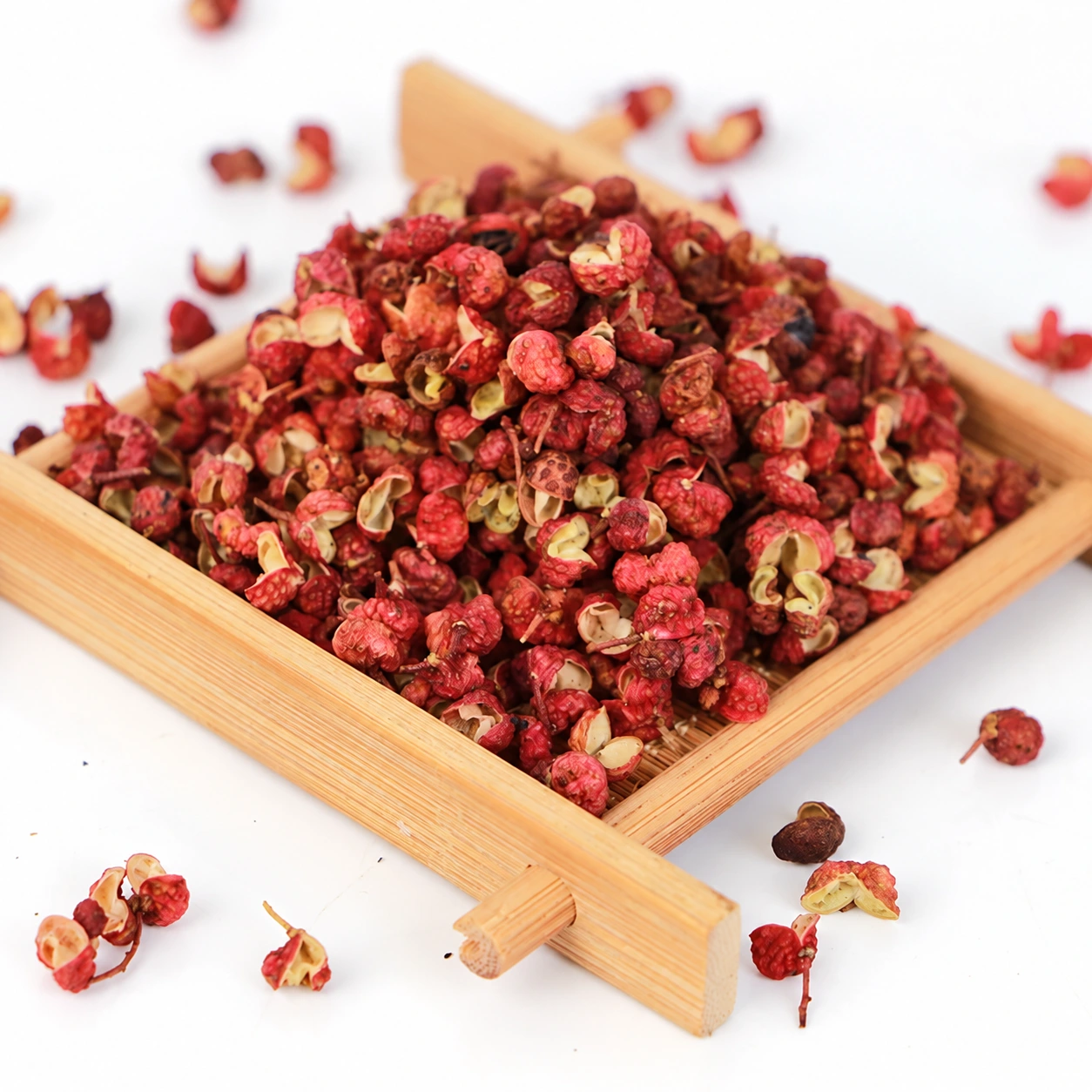
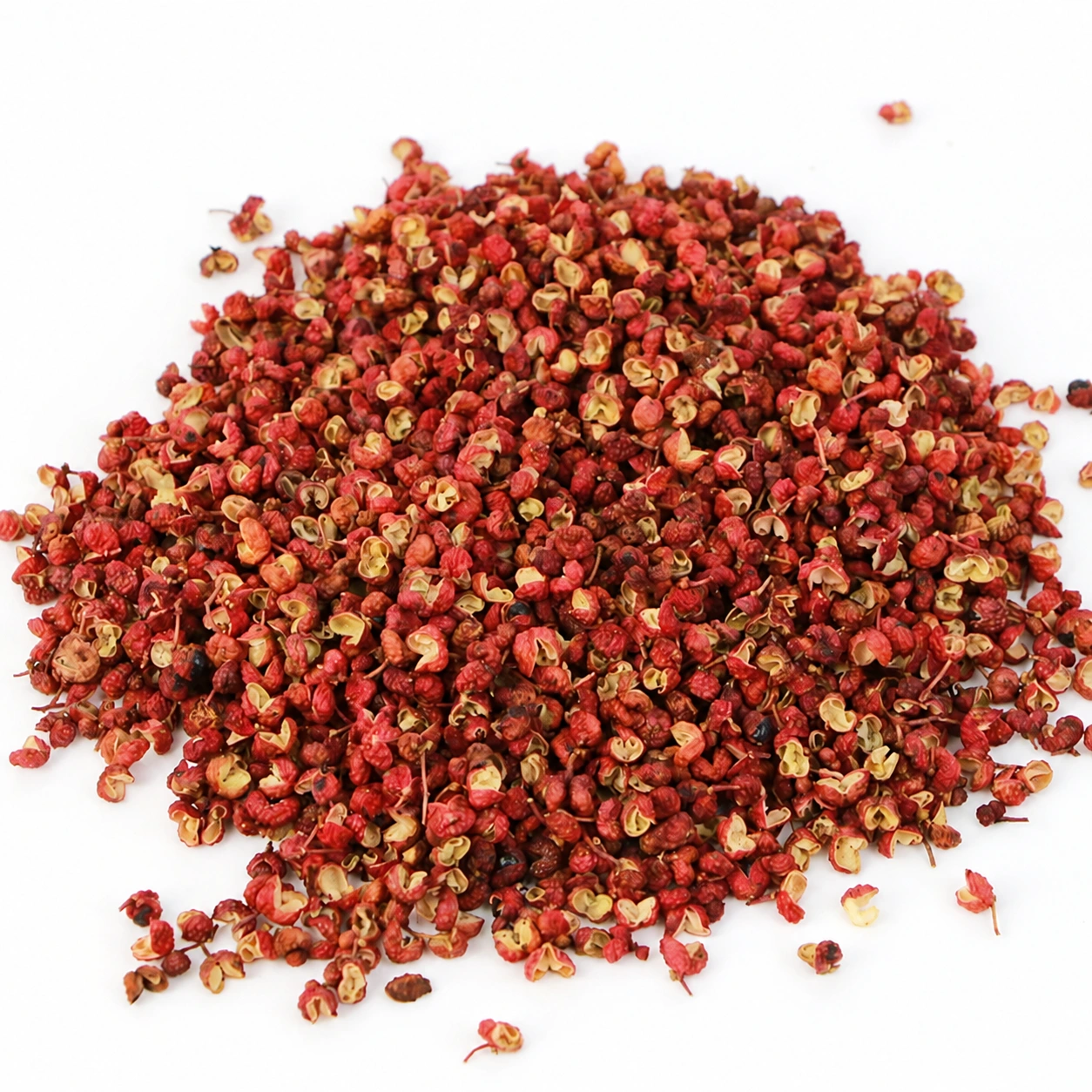
A spicy red pepper character leads this food seasoning, with chili pepper, sesame, soy and peanut named in the material list. That combination matters as much as the red color when assessing a recipe. Start by matching the complete seasoning to the intended food and the ingredient information your production team needs.
Check the whole seasoning before the chili heat
A purchasing brief for this product should include the full ingredient and allergen declaration. Sesame, soy and peanut are explicitly listed materials, so a chili-only specification would not describe the offering accurately. Confirm the complete formulation and any required labeling information before choosing the seasoning for a menu or packaged food.
Turn a spicy description into a useful recipe comparison
The product is described as spicy, but no measured heat or particle-size figure is supplied. Compare it in the food preparation you intend to make, keeping the recipe and dosage conditions consistent. Record the desired seasoning contribution and ask for a suitable heat specification if your process requires a measured limit.
The useful comparison is the complete seasoning in the finished recipe: ingredient declaration, taste and handling requirements belong in the same decision.
Coordinate bag supply with storage
Bag packaging and forty bags per carton are stated, with customized packing available for discussion. Describe receiving, portioning and stock needs when requesting the proposed packing arrangement. The storage instructions call for cool conditions and airtight containers, alongside an eighteen-month shelf life. Keep those conditions connected to your inventory plan and confirm the agreed pack format before placing a bulk order.
Bring your recipe application and ingredient documentation requirements into the enquiry so the seasoning can be evaluated as a mixed food ingredient.