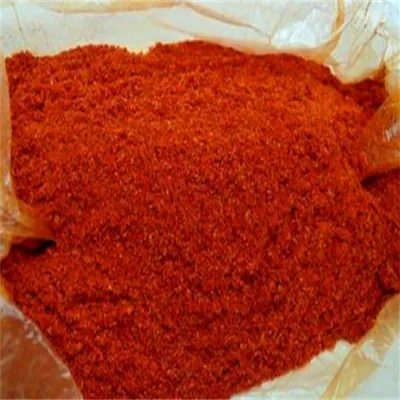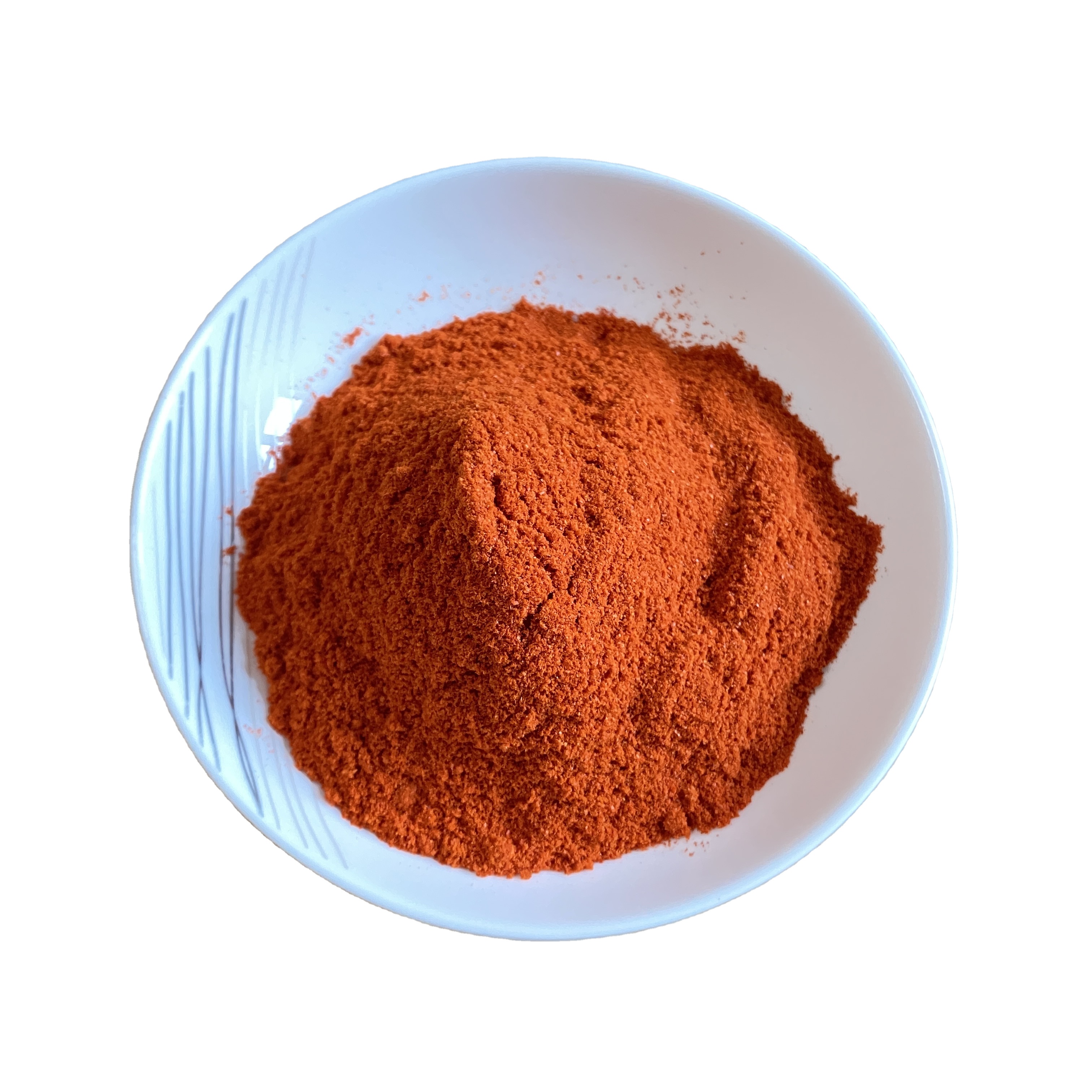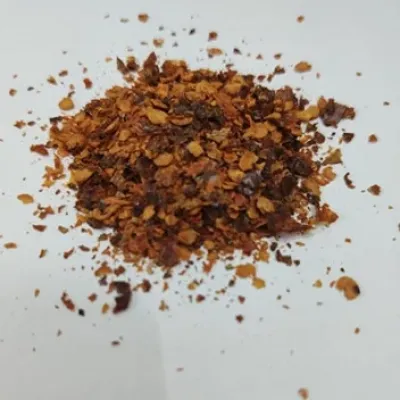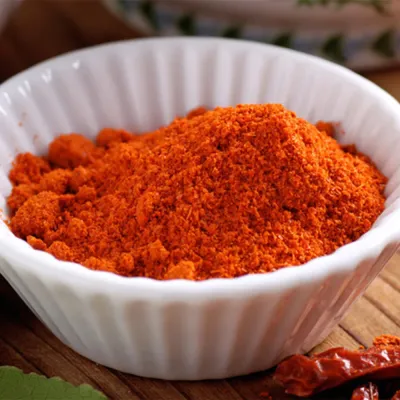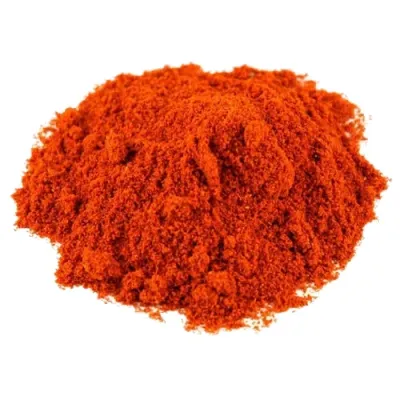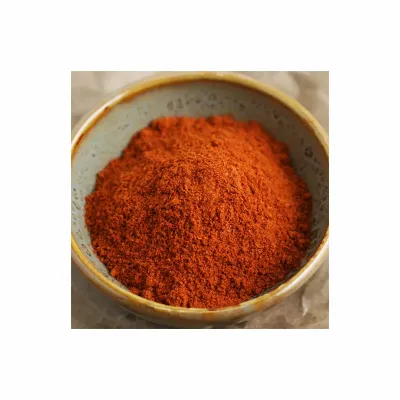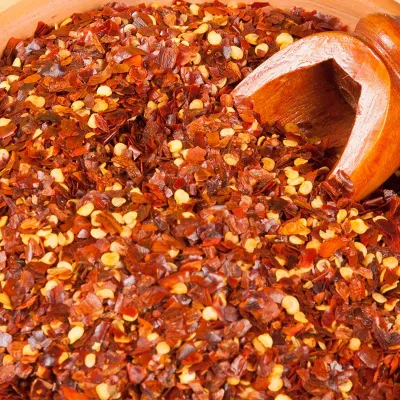
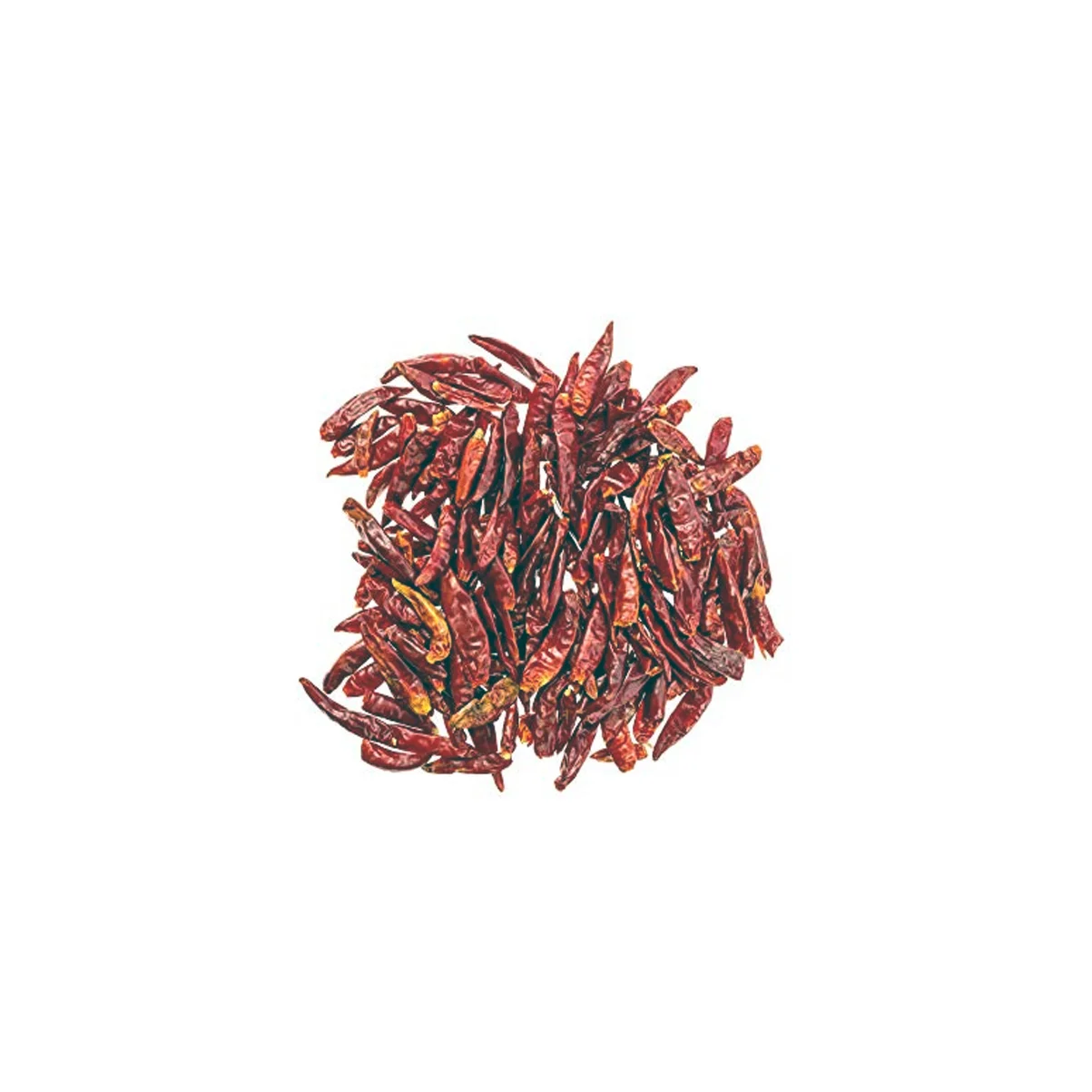
A spicy-hot taste and dried red pepper pieces define this chili offering. The AD-dried product is listed as a single food spice, making the pepper form an important part of a seasoning enquiry. Match the ingredient to the food you intend to prepare before deciding which heat and size requirements should be included in the order.
Compare pepper pieces in the finished preparation
Decide how the dried chili will enter your cooking process and whether the pieces need a particular size. Piece form alone does not establish a cut dimension or a named cultivar. A practical evaluation should therefore compare the proposed pepper with the preparation and appearance you need in the finished food.
Set a heat target for the spicy-hot profile
The spicy-hot description gives a taste direction, while a numerical pungency target remains a separate purchasing choice. Keep the recipe and cooking conditions consistent when comparing chili samples or proposed lots. If a measured heat limit matters to your process, include it explicitly in the ingredient brief rather than using red color as a substitute.
Bring shelf-life and document checks into supply planning
The product lists a twenty-four-month shelf life. Ask for the applicable storage conditions and packing details so that this duration can be used appropriately in your stock plan. Where a buying policy requires specific certification, request the relevant current documents and check their product scope as part of supplier qualification.
A clear enquiry combines the intended seasoning use, preferred pepper dimensions and required heat. Those details help establish whether this particular dried red chili is suitable for your cooking and receiving requirements.