
Central Chili Seasoning Purchasing for Restaurant Chains
We can discuss commercial chili seasonings when your restaurant chain wants to move an ingredient-mixing task from individual outlets into a centrally purchased blend. Begin with the dish and the steps the blend should cover, then approve one formula and its outlet instructions together.
Our range includes cooking and finishing chili seasoning, a sesame-and-peanut dipping powder, and a cumin–chili–Sichuan pepper blend. These are different menu routes. Choosing the appropriate one is more useful than asking a single general-purpose powder to replace every outlet recipe.
Discuss Your Chain’s Seasoning Brief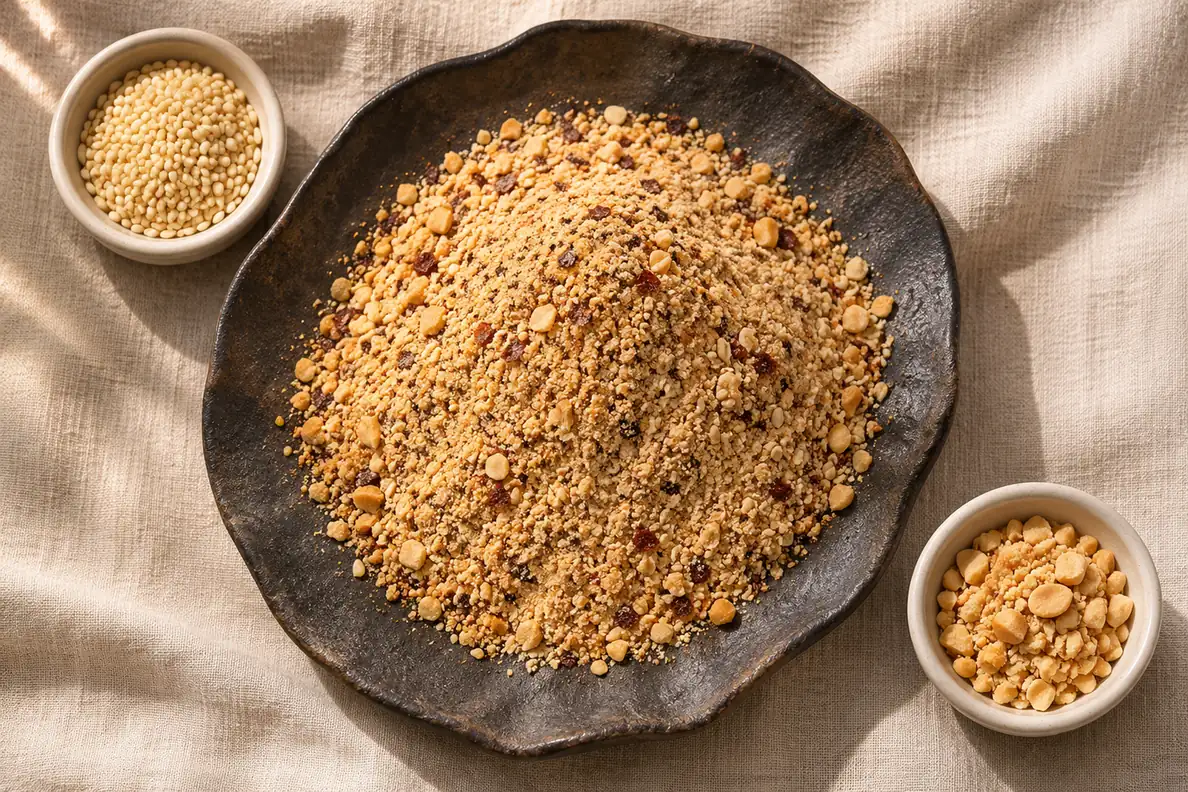
The Outlet Task You Want to Bring Together
Write down the ingredients currently mixed at the outlet, their quantities and the point where that mixture enters the dish. Include any salt, oil or other seasonings added separately. This shows which work a supplied chili blend would replace and which steps your kitchen would retain.
Keep useful local differences visible during planning. A dip served with hot pot, a marinade and a final barbecue dusting may need separate formulas or instructions. Group outlets by the actual food and preparation they share before choosing the trial scope.
| Current task | Record first | Decision for the supplied blend |
|---|---|---|
| Mixing ingredients | Recipe and separate additions | Steps to include in the premix |
| Applying seasoning | Food, dose and preparation stage | Outlet instructions to retain |
| Serving several dishes | Differences between menu roles | One formula or separate selections |
A Chili Blend That Fits the Menu Role
Our commercial central-kitchen reference describes red, spicy seasoning for cooking or direct food dusting, with sample and OEM support. Its ingredient information needs the selected pack declaration. Use it as a starting point for the particular cooking or finishing task you want to evaluate.
For a dry dip, the Sichuan dipping reference names chili powder, sesame, peanut and salt. For a cumin-led route, the separate blend names cumin, chili, Sichuan pepper, spices and edible salt. Compare the selected formula within its intended dish rather than treating these ingredient lists as interchangeable.
Cooking and Finishing Chili Seasoning · Sesame and Peanut Chili Dipping Powder · Cumin and Sichuan Pepper Chili Blend

One Complete Formula for Purchasing and Kitchen Review
Request the complete ingredient declaration for the chosen seasoning and review it against your menu requirements. Sesame and peanut are explicit in the dipping reference. Keep them in the kitchen approval and purchasing record rather than reducing the product identity to chili powder.
For a US-facing project, FDA guidance identifies peanut and sesame among the major food allergens and explains the importance of reading the complete ingredient information. Use the selected product documents and the requirements of your own destination when preparing the outlet information.
Technical reading: FDA Ingredient and Allergen Information
A Representative Menu Trial Before Wider Purchasing
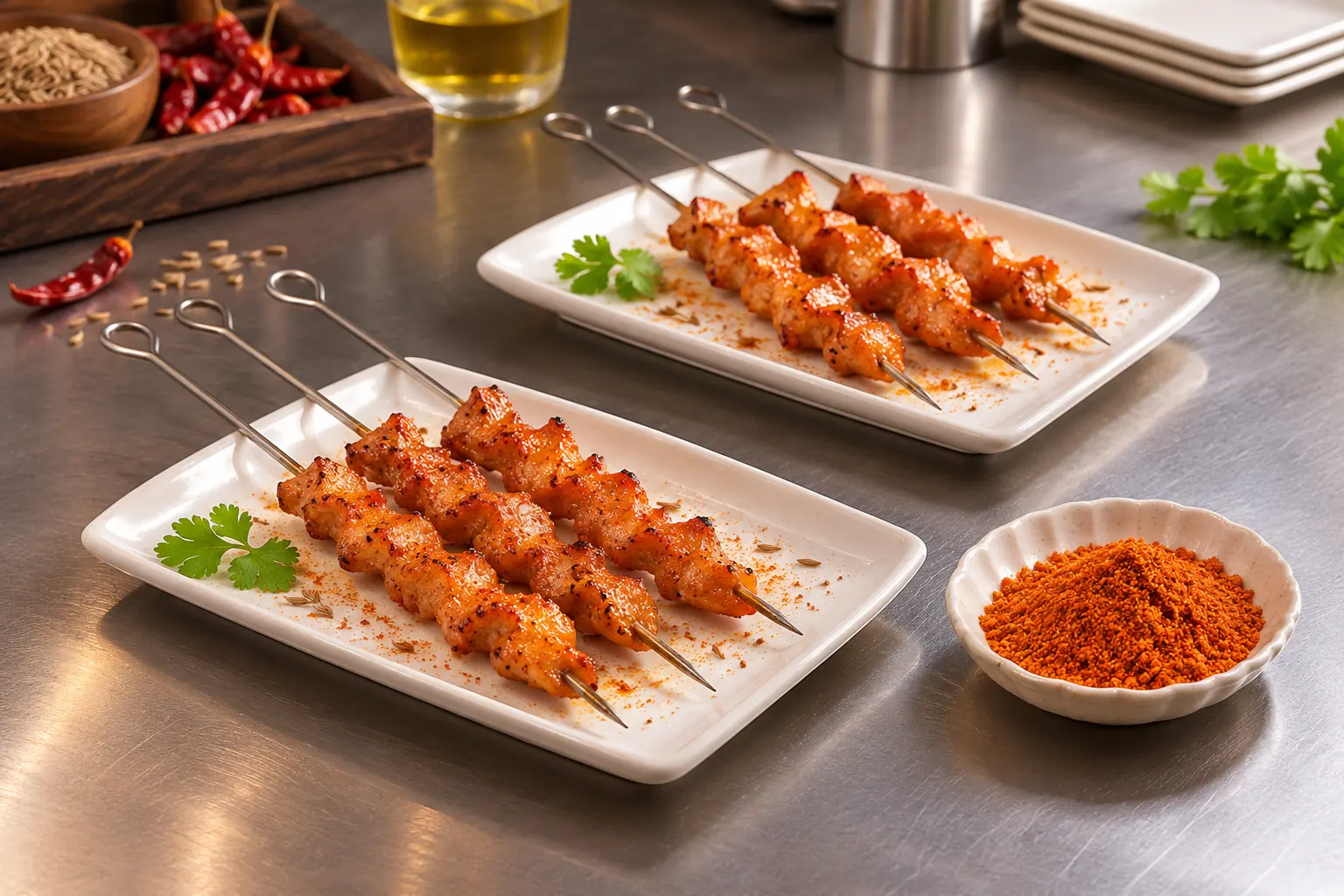
Choose the dishes and outlets that represent the preparation you want to standardize. Compare the current method with the proposed blend using recorded food amounts and preparation conditions. Keep the serving stage and evaluation timing clear for each comparison.
Record flavour, heat, salt balance, appearance and the steps staff actually perform. If a dose or recipe change is needed, make it a separate trial version. Your own observations establish the practical value of the change; a premix name alone does not establish a labour saving or an identical food result.
An Outlet Instruction That Matches the Accepted Trial
Once your team accepts a trial, retain the product and formula version, the measured addition for that dish, the point of use and any ingredients still added separately. Use the same basis when communicating the preparation to the participating outlets.
Identify the pack and sample reference in the handover. A purchasing team can order the accepted blend while an outlet follows an outdated recipe unless both records describe the same version. Any later recipe adjustment should remain identifiable rather than silently changing the original approval.
Pack Units Connected to Actual Outlet Demand
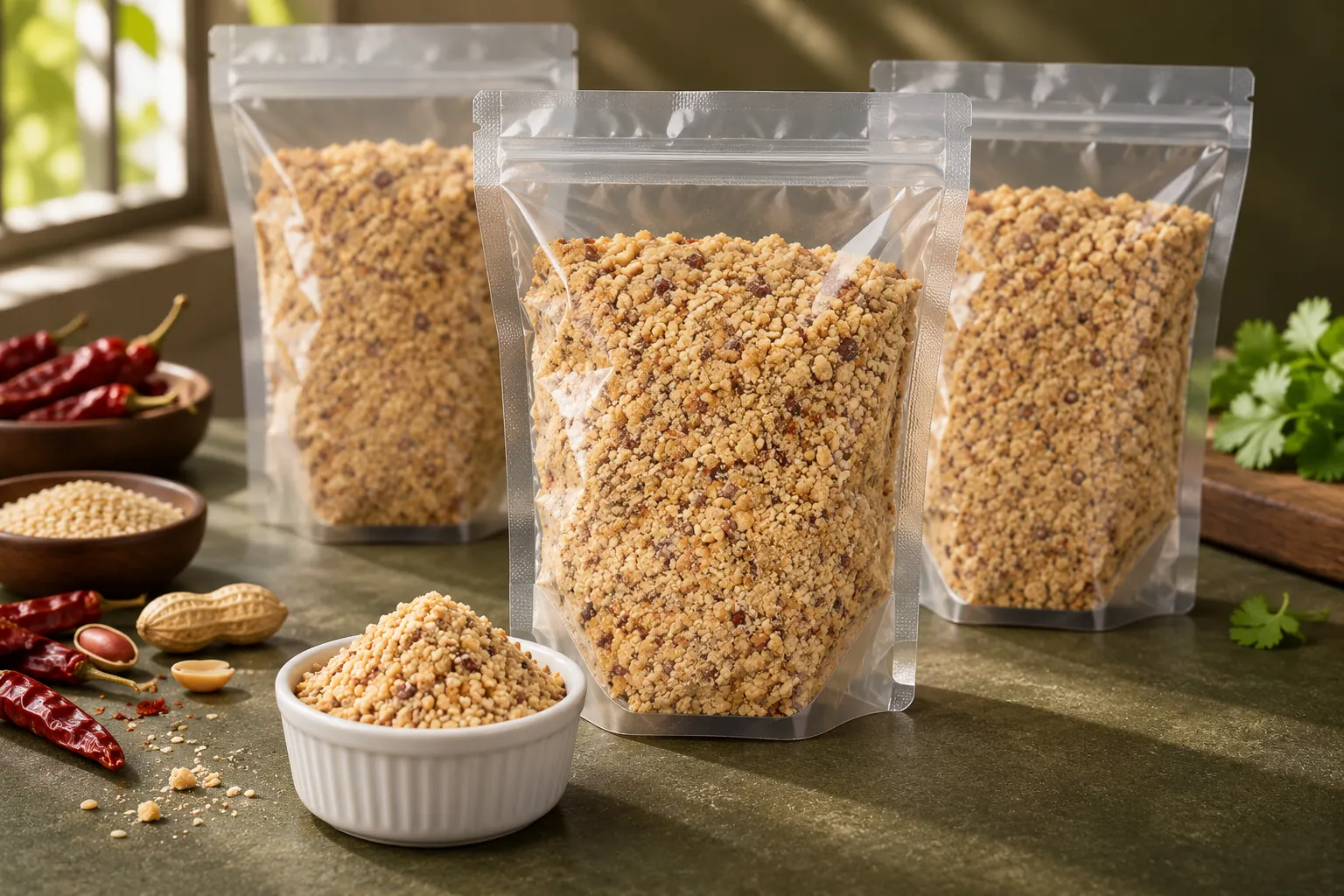
The sesame-and-peanut dipping reference lists 2.5 kg × 8 bags, or 20 kg of product per carton. The cumin blend separately describes bottle and bag presentation ranges. Choose the formula first, then discuss a pack that suits your outlet’s actual usage.
Estimate demand using the serving quantities your pilot accepted and your own menu volumes. Confirm the actual unit pack, carton count, supply quantity and applicable storage instructions in the offer. Delivery arrangements, availability and timing belong to that project discussion.
| Field | Keep with the selected seasoning |
|---|---|
| Ingredient | Formula version and accepted menu use |
| Unit | Net amount per bottle or bag |
| Carton | Units and total product amount |
| Demand | Outlet usage and central order quantity |
| Supply | Destination, timing and required documents |
A Repeat Order That Preserves the Accepted Choice
Use the accepted formula and pack as the reference for repeat enquiries. Carry the ingredient declaration, kitchen instructions and any agreed lot records into the purchasing file. Keep proposed substitutions or formula changes separate for your team to review.
If the project is replacing an existing compound seasoning rather than bringing outlet mixing together for the first time, use the separate supplier-replacement guide. That route starts with the current blend as the comparison reference.
A Central Purchasing Brief with a Clear Kitchen Role
Send the menu application, current mixing task or reference seasoning, and the ingredient restrictions your chain needs. Include the proposed trial dishes, outlet use conditions, sample requirements and preferred pack.
We can discuss an appropriate chili blend and the selected-product information needed for evaluation. Add the central quantity, destination and requested supply arrangement so the quotation follows the formula and outlet procedure your team is choosing.
Send Your Central Purchasing Brief