
Blanched Frozen Chilies with Defined Product and Treatment Requirements
For a blanched frozen chili order with a heat requirement, begin with our whole Jinta reference listing spicy taste, blanching and IQF. A separate whole blanched IQF chili reference offers another enquiry route with its actual heat to confirm.
Choose the chili identity and physical form together with the treatment requirement. A blanched red-pepper cube is not automatically a hot-chili substitute. The selected product, process information and food trial should answer the same purchasing brief before a frozen supply is approved.
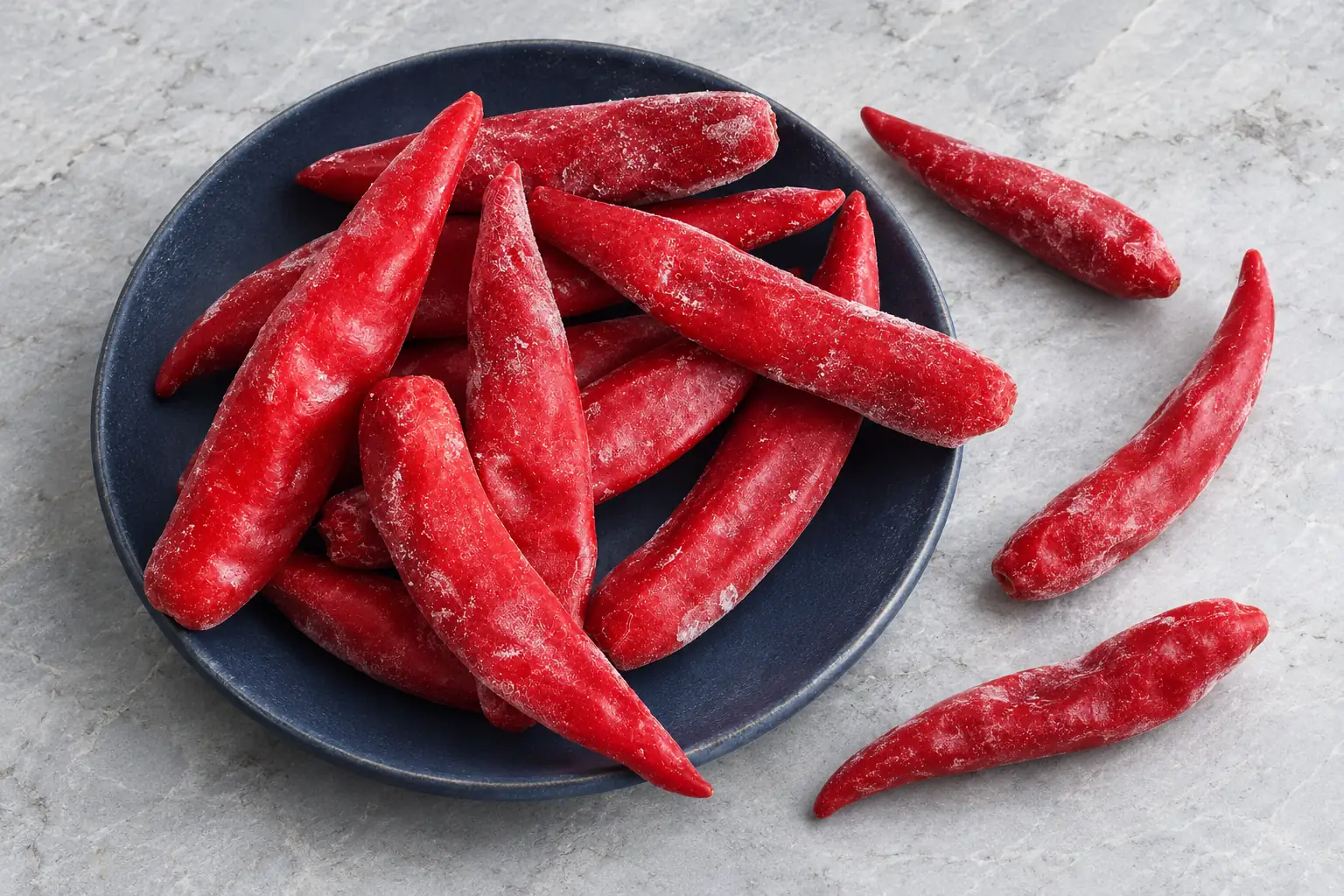
Blanching Is a Process Description to Define
FAO's freezing guidance describes blanching as a brief exposure to boiling water or steam to inactivate enzymes. That general explanation provides context; the process applicable to your selected ingredient needs its own agreement.
State the treatment requirement your operation needs and request the relevant product-specific information. The word blanched does not provide the time, temperature or a finished-product release result. Keep the description attached to the actual chili and form being purchased rather than infer one universal procedure for every frozen pepper.
Technical reading: FAO: Freezing and Blanching Background
A Whole Spicy Jinta Starting Point
Our Jinta reference names fresh chili as the input, whole elongated form, spicy taste, blanching and IQF. It lists a 1 × 10 kg carton direction alongside other packing choices. Use those fields to identify the proposed ingredient before discussing the final arrangement.
Agree any pod dimensions, stem or seed condition that matter to preparation. The description does not supply a numerical SHU value or exact pod length for this selected supply. Include those criteria separately if your food process depends on them.
| Field | Listed starting point | Define for the order |
|---|---|---|
| Identity | Jinta; fresh-chili input | Selected declaration |
| Physical form | Whole; elongated | Pod and stem criteria |
| Taste | Spicy | Required heat acceptance |
| Process | Blanching; IQF | Applicable product records |
The Sample Must Match the Treated Form
Assess a sample that represents the proposed blanched whole chili, with its identity and relevant processing information retained. The physical sample lets your team review the pod condition and preparation fit; the records address the selected treatment.
Keep those review subjects distinct. A frozen red pod's colour or light frost cannot establish how it was blanched. If the product or treatment proposal changes after the trial, confirm whether a new sample and process review are required under your approval conditions.
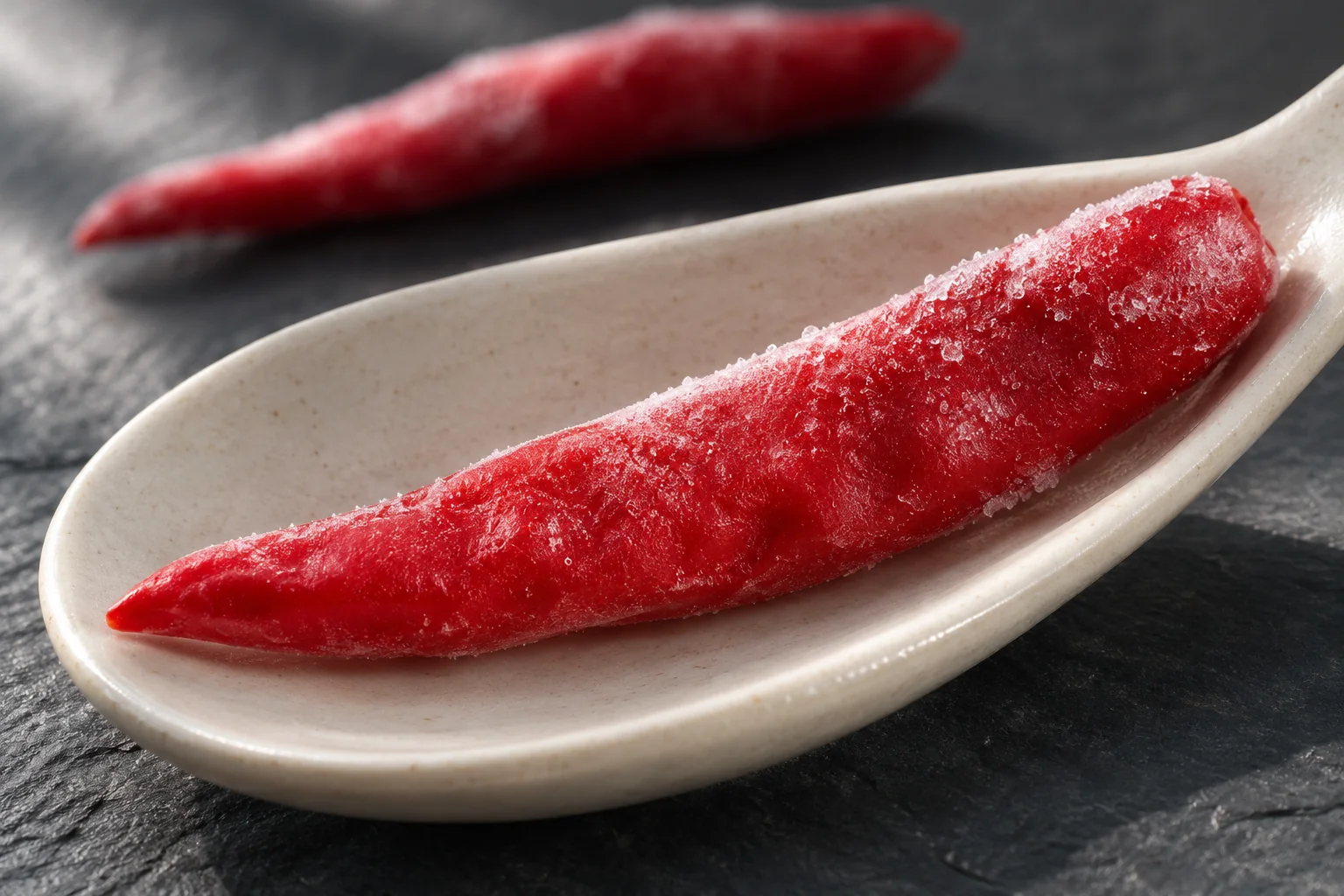
Confirm Heat for the Alternative Whole-Chili Route
Our separate whole blanched IQF chili reference has a high-pungency product direction and cooking applications, with bulk carton supply. Confirm the selected ingredient declaration and heat criteria before comparing it with the Jinta route.
Treat high-pungency wording as a flavour direction rather than a measured SHU result. Your recipe may need a specific heat range, so agree the relevant sample or lot evidence and evaluate the ingredient in the food. The actual declaration and accepted sample define the selected grade.
Keep the Frozen Instructions with the Selected Material
The Jinta reference specifies storage below −18°C, a 24-month shelf life and no refreezing after defrosting. The alternative whole blanched reference also ties its 24-month period to below −18°C. Confirm the relevant dates and instructions for the chosen presentation.
Obtain the preparation guidance applicable to your food rather than infer a complete method from the process label. Blanching and freezing descriptions do not by themselves settle suitability for an unrestricted ready-use application. Your operation needs the selected product's handling and process requirements.
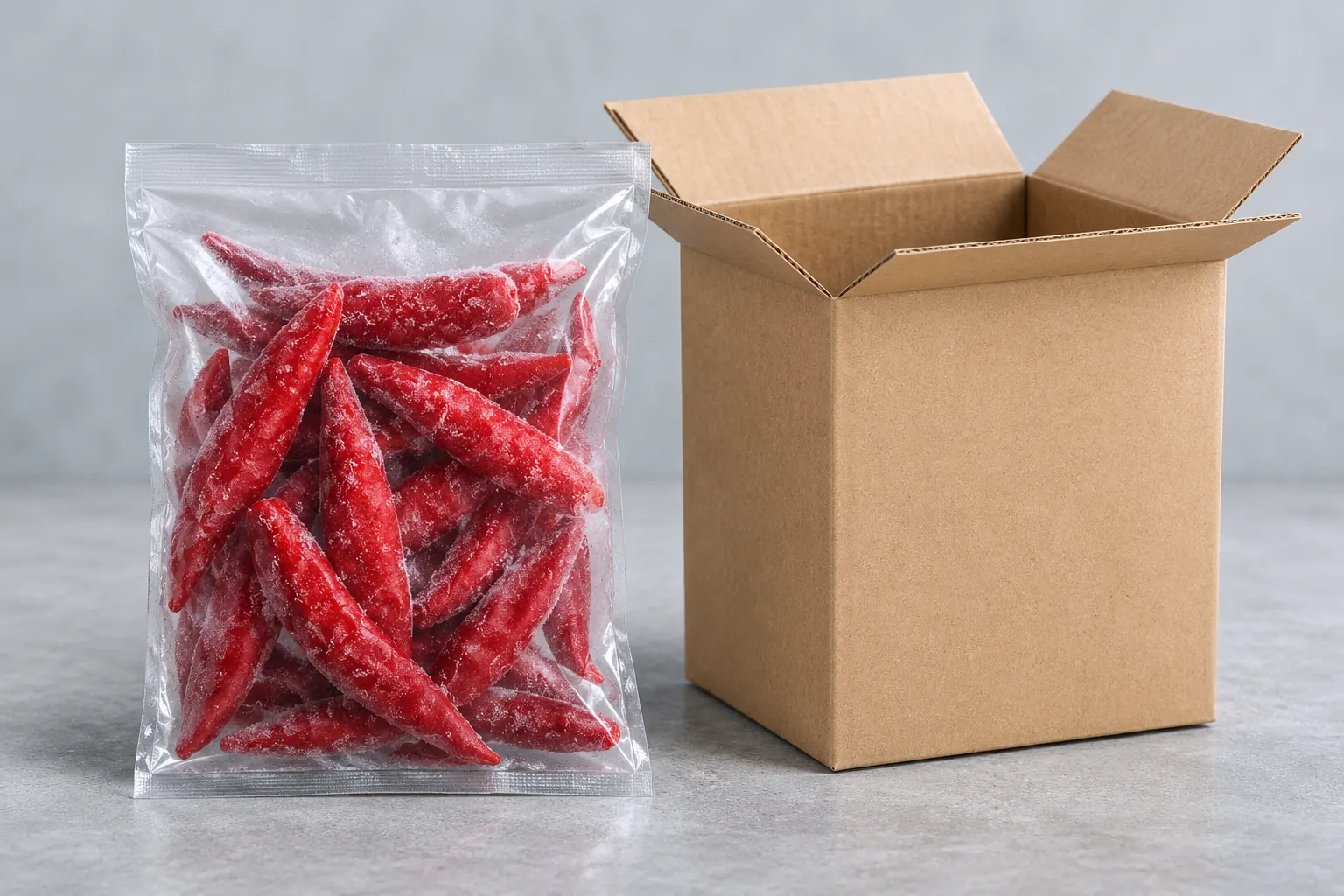
Separate Hot Chili from a Red Capsicum Cut
If your food needs heat, keep that requirement explicit when comparing frozen red ingredients. A capsicum cube with a stated cut size may be useful for another recipe, but the dimensions do not prove that it supplies hot-chili flavour.
Confirm the pepper identity and heat before adopting a cut. If your requirement is a hot-chili dice, use a dedicated dice enquiry with its own dimensions and sample. Do not transfer a sweet-pepper size option into a whole hot-chili specification merely because both products are blanched and red.
| Your essential need | Confirm first | Then select |
|---|---|---|
| Hot chili | Pepper identity and heat | Whole or cut form |
| Defined cut | Dimensions and variation | Matching chili grade |
| Blanched supply | Selected treatment | Applicable records |
Trial the Ingredient Under Your Food Process
Use the intended preparation, mixing and cooking sequence for the chosen sample. Record heat, texture, colour and the role of the whole chili in the completed food. Assess the treated material your factory intends to receive, rather than compare an unrelated raw sample.
Retain the food trial with the sample and treatment review. If a process adjustment or a different chili is proposed, record it as a separate version. This keeps the purchasing decision connected to the actual ingredient and the result your operation accepts.
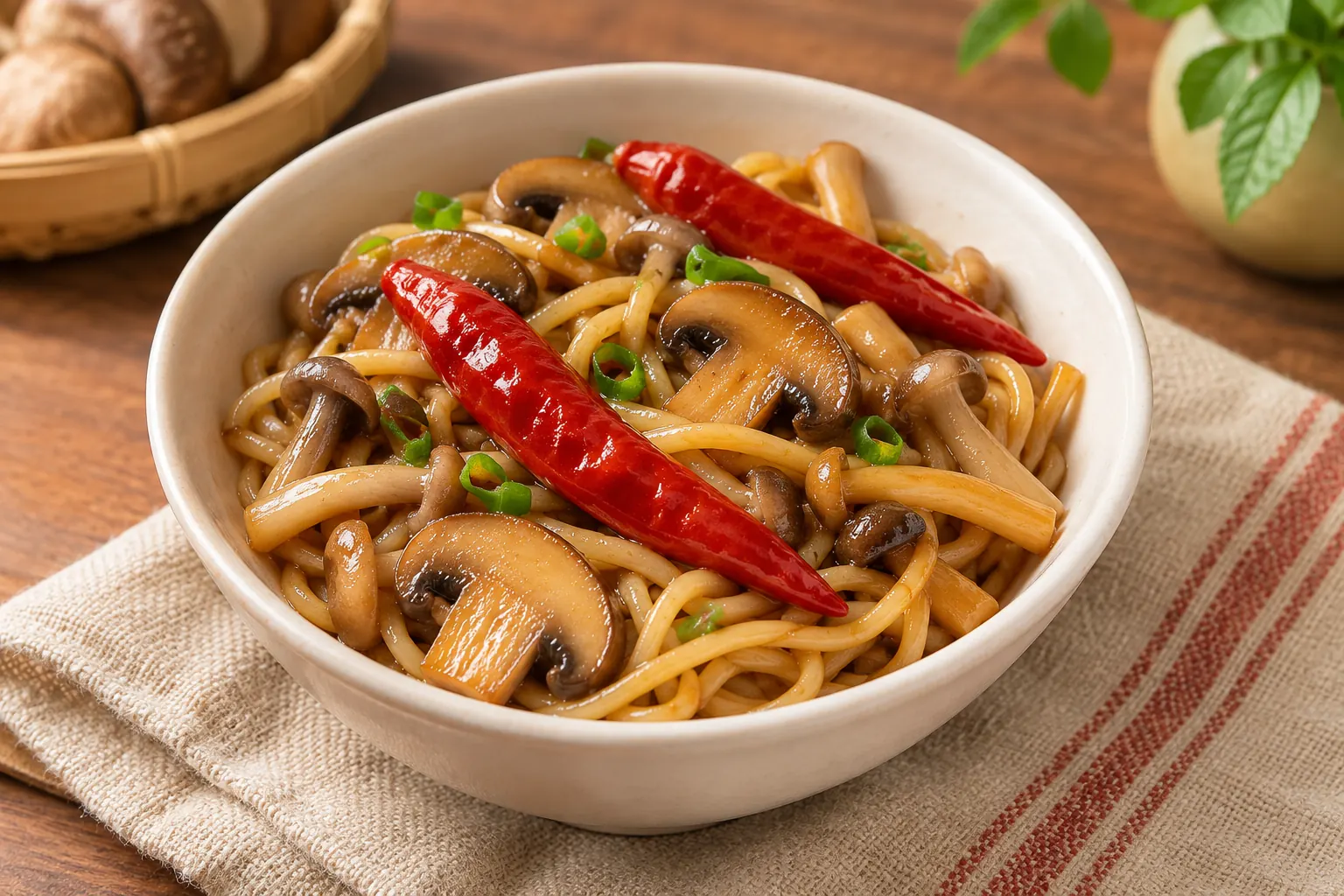
Approve the Chili and Treatment as One Selection
Confirm the chili identity, whole or selected cut form, heat requirement, treatment information, packing and frozen guidance. Keep the accepted sample and the food-trial record with that specification.
We can discuss the whole spicy Jinta or another selected blanched chili against your brief. If your requirement concerns steam-treated dried powder, review that as a different ingredient and process route with its own documentation.
Discuss Blanched Frozen Chili Requirements