
Roasted Chili for Red Oil with a Clear Ingredient Boundary
We offer roasted and stir-fried chili preparations for buyers developing chili oil and red oil. Two references explicitly contain chili, vegetable oil and edible salt; another AD dried chili powder lists stir-fried processing and 80–100 mesh for further food processing.
Select the composition before comparing the aroma or price. An oil-and-salt preparation contributes more than chili to the recipe. If your process requires chili alone, state that requirement and confirm the full declaration for the candidate rather than assuming every roasted powder is a single ingredient.
Discuss a Red-Oil Chili Ingredient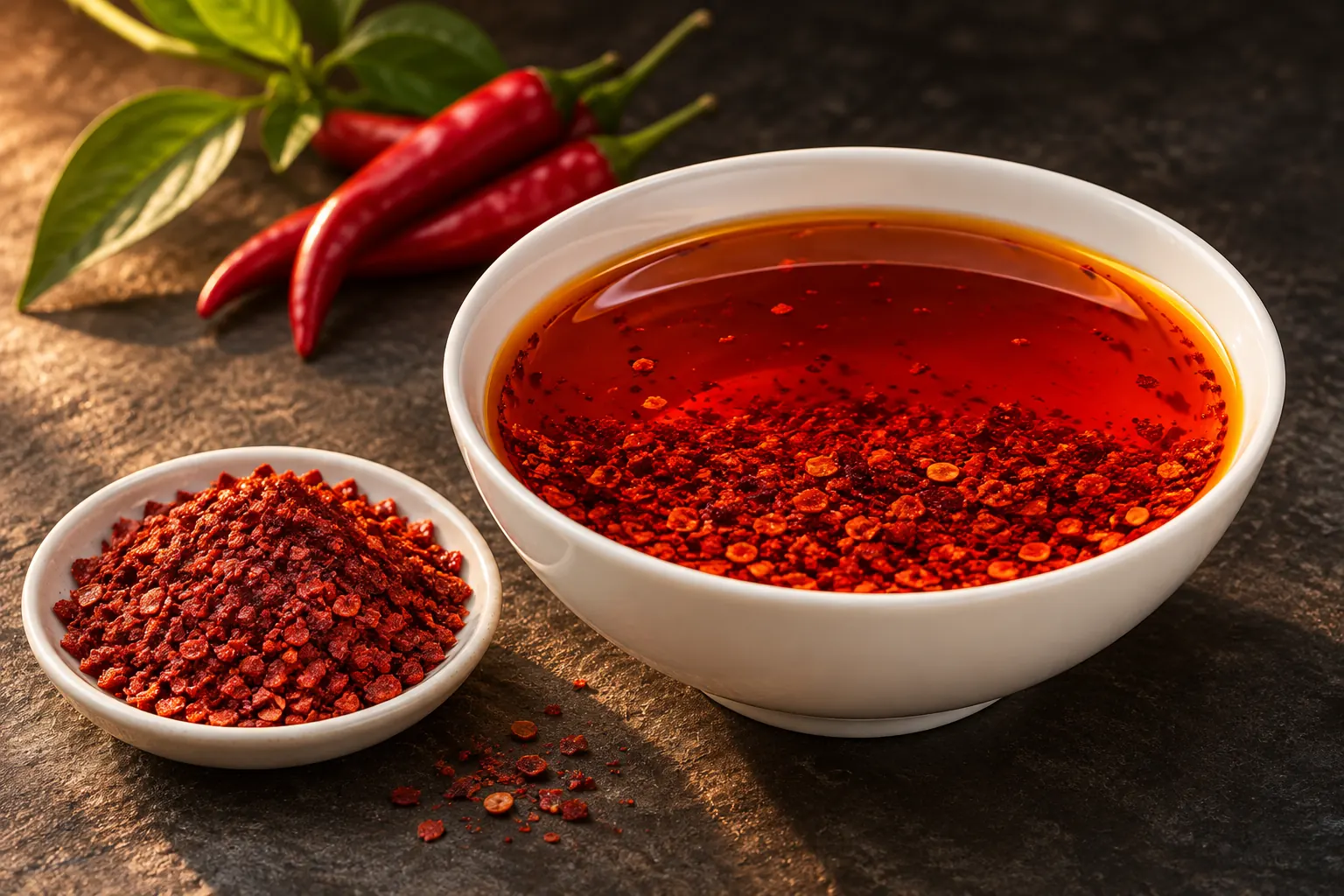
Choose Between Chili Alone and a Prepared Ingredient
Your existing recipe may already control salt and oil separately. In that case, the replacement ingredient must fit that formulation boundary. If you intentionally buy a chili preparation containing oil and salt, include their contribution when reviewing the rest of the recipe.
Keep the complete declaration with the selected material. An equal mass of two different preparations does not necessarily deliver the same chili contribution, seasoning balance or physical texture. Start the comparison with known composition and record any formula adjustment as a separate trial version.
Compare the Roasted and Stir-Fried References
The commercial roasted line-pepper preparation names chili, edible salt and vegetable oil, with a mildly spicy direction and stated chili-oil and red-oil uses. The Gangu-style stir-fried preparation names the same three ingredients in a different order and offers a medium-coarse particle direction.
The 80–100 mesh AD dried powder has a stir-fried processing description and an instruction for further processing. Ask for its complete composition when a chili-alone specification matters. Keep that powder separate from the two explicitly oil-and-salt-containing preparations.
Roasted Chili Preparation for Red Oil · Gangu-Style Stir-Fried Chili Preparation · 80–100 Mesh Stir-Fried AD Chili Powder
| Candidate | Declared composition or requirement | Physical direction |
|---|---|---|
| Roasted line-pepper preparation | Chili, edible salt, vegetable oil | Selected texture to confirm |
| Gangu-style stir-fried preparation | Chili, vegetable oil, edible salt | Medium-coarse direction |
| Stir-fried AD chili powder | Complete declaration to agree | 80–100 mesh |
Define the Particle Result You Want in the Oil
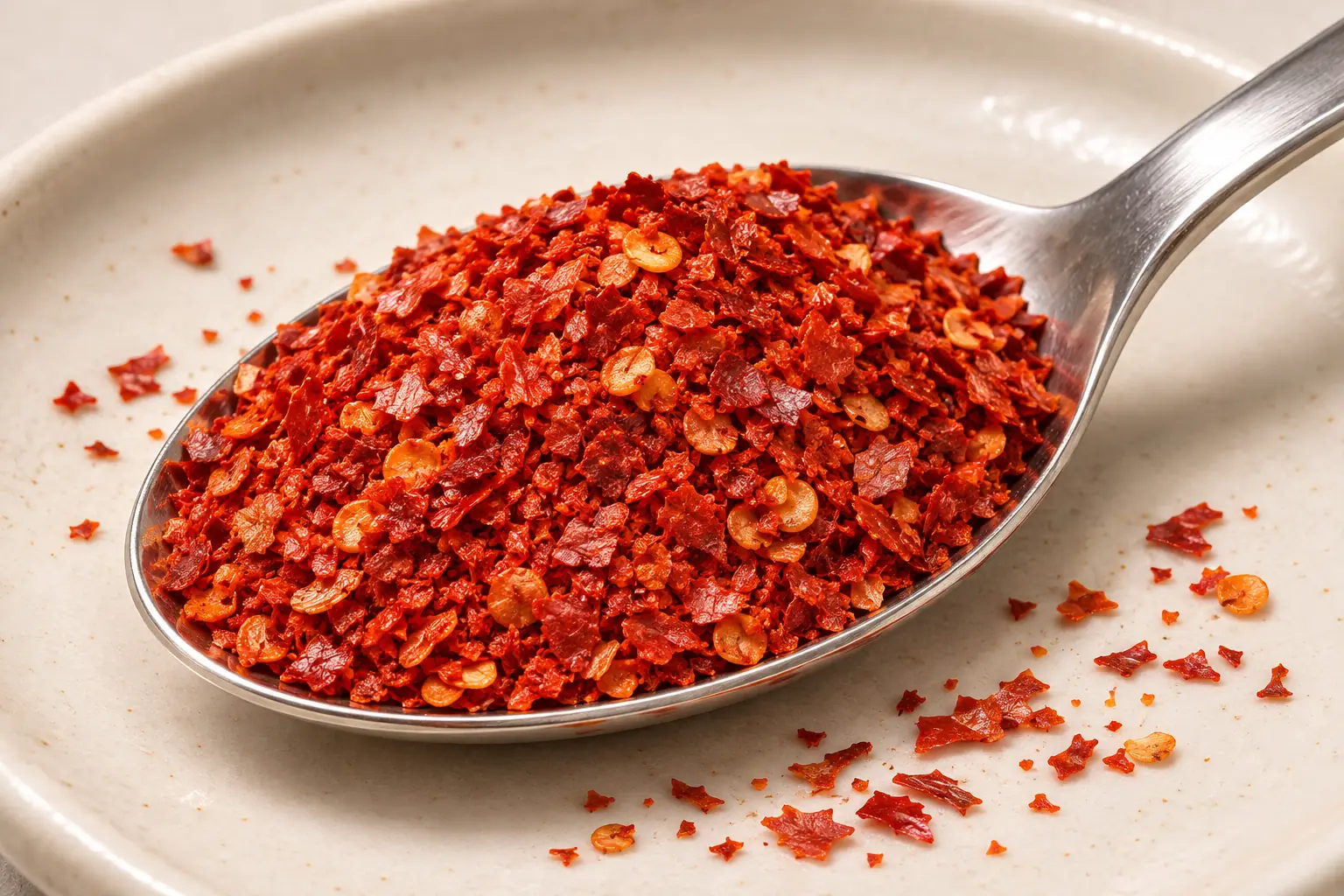
A medium-coarse preparation and an 80–100 mesh powder can give your project different starting textures. Describe whether visible chili pieces, a finer sediment or another physical result is part of the accepted red-oil appearance.
Medium coarse does not state an exact mesh or a fixed ratio of powder to flakes. Obtain the relevant particle requirement for the selected material and compare it in your preparation. Use the accepted sample with the specification so repeat buying preserves the texture your team actually chose.
Keep Roasted Aroma Separate from Smoke and Heat
Roasted, stir-fried and smoked are different product descriptions in our catalogue. Choose the processing direction that matches your formulation, then evaluate its contribution in the actual food. A roasted description does not establish the same flavour as a smoked ingredient.
The oil-and-salt preparations are described as mildly spicy, while the AD powder uses a super-spicy direction. Those descriptions do not assign numerical SHU values. Include a measured heat target if your red oil depends on one, and retain the sensory evaluation alongside the material criteria.
Account for Existing Oil and Salt in the Preparation
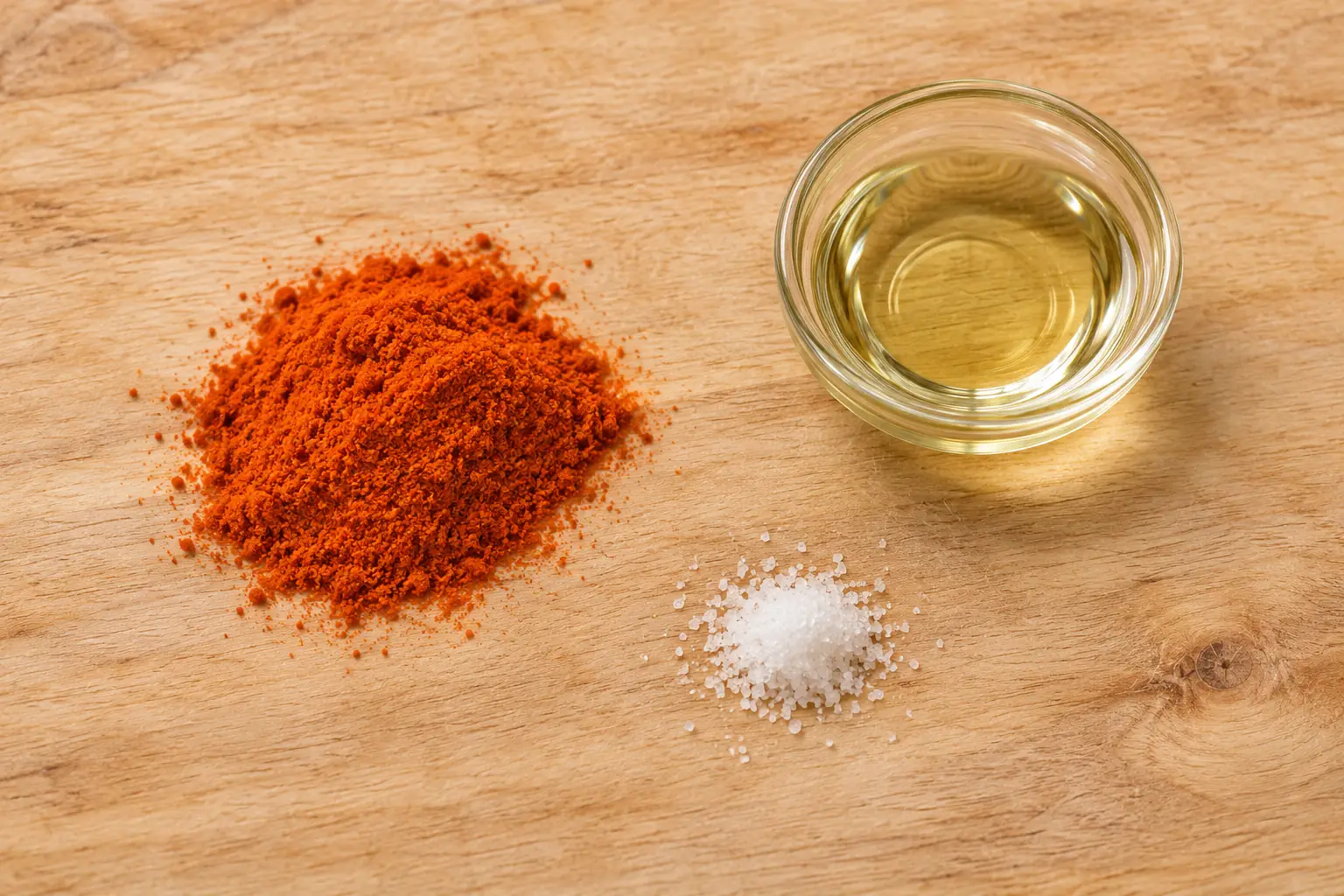
For the two prepared ingredients, keep their oil and salt contribution visible when organizing the recipe trial. Request the composition information your formulation team needs rather than calculating the chili content from appearance or product weight.
Your own process determines the added oil amount, preparation sequence and operating conditions. This selection guide does not prescribe a red-oil formula, temperature or treatment time. Share your existing conditions so the candidate can be assessed as an ingredient in that process.
Compare the Current Preparation and the Candidate Side by Side
Record the current material and recipe version, then prepare the candidate under the same baseline conditions where composition allows a meaningful comparison. Note the oil’s appearance, chili sediment, aroma, heat and salt balance at your normal evaluation point.
If the new preparation changes the recipe balance, record the adjustment and evaluate a revised version. Preserve the accepted material and process record together.
Confirm the Pack and Handling for the Selected Preparation
The roasted line-pepper reference lists 2.5 kg bags, four per carton, and a 12-month shelf-life declaration. The Gangu-style reference lists 220 g bags, forty per carton, and 18 months. These are separate product presentations rather than one shared supply arrangement.
Confirm the format, quantity and applicable cool-storage instructions for your order. For the AD powder, follow its own sealed, dry handling instruction and selected supply terms. Keep packing and stock requirements connected to the ingredient your trial accepts.
Send a Composition-Led Red-Oil Enquiry
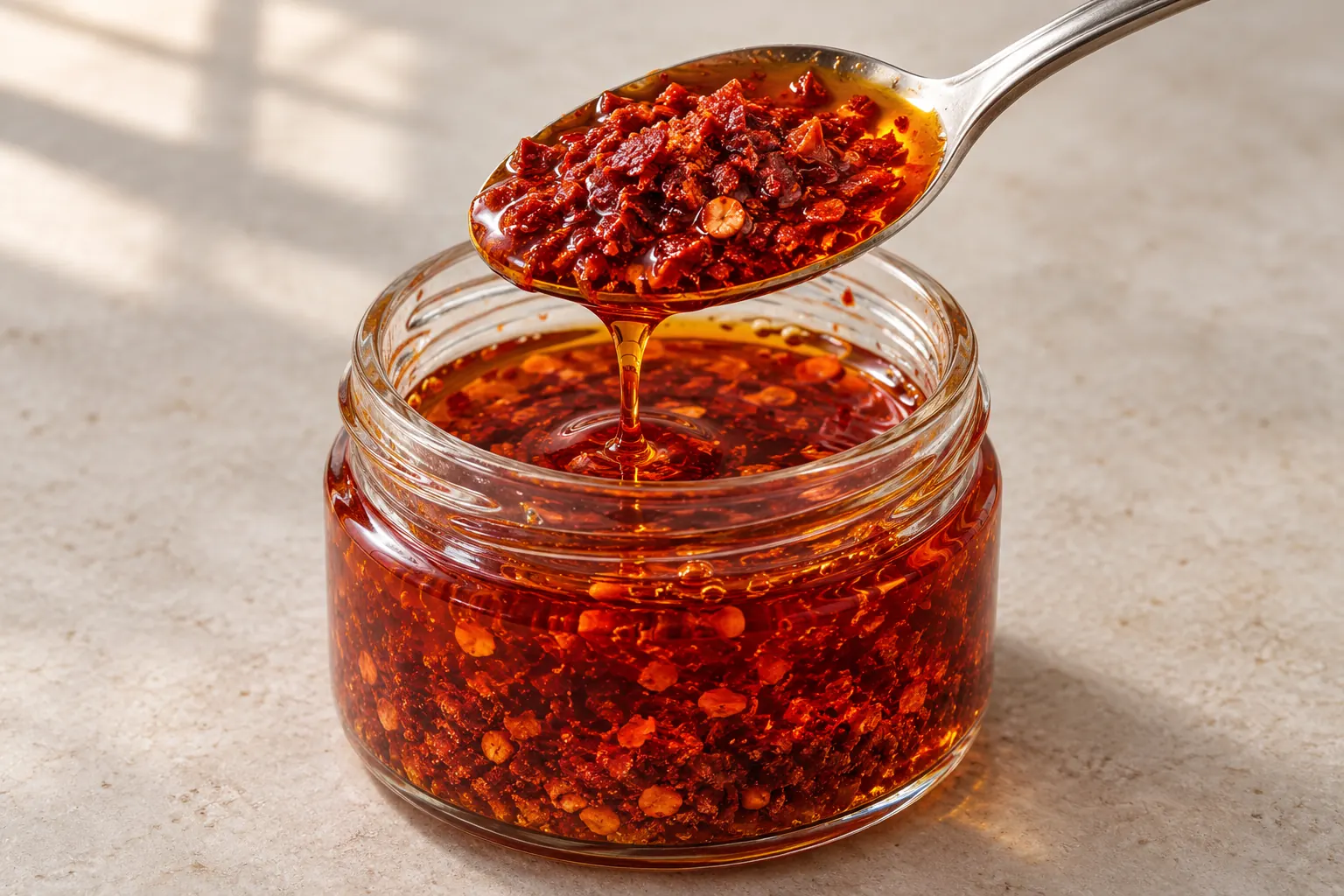
Send the red-oil application, current ingredient, required composition and desired roasted or stir-fried flavour direction. Add your particle and heat requirements, process conditions and trial observations. Include quantity, packing, destination and the ingredient records needed for approval.
We can discuss the appropriate prepared ingredient or the stir-fried powder candidate against that brief. If chili alone is essential, make the complete declaration a selection condition from the start so the eventual offer matches the way you formulate.
Send Your Red-Oil Ingredient Brief