Private-Label Chili Seasoning from an Existing Formula
For a private-label project using an existing formula, start by selecting the seasoning itself. We can discuss a defined chili-blend candidate, provide the information needed for sample review and then assess your brand presentation. The chosen formula should be approved before artwork and packing become the main decision.
Our chili-lime reference describes custom label and blend support, with a current 184 g bottle example. Use that as one starting direction for a project, while confirming the exact recipe and pack proposed for your brand.
Discuss an Existing-Blend Brand Project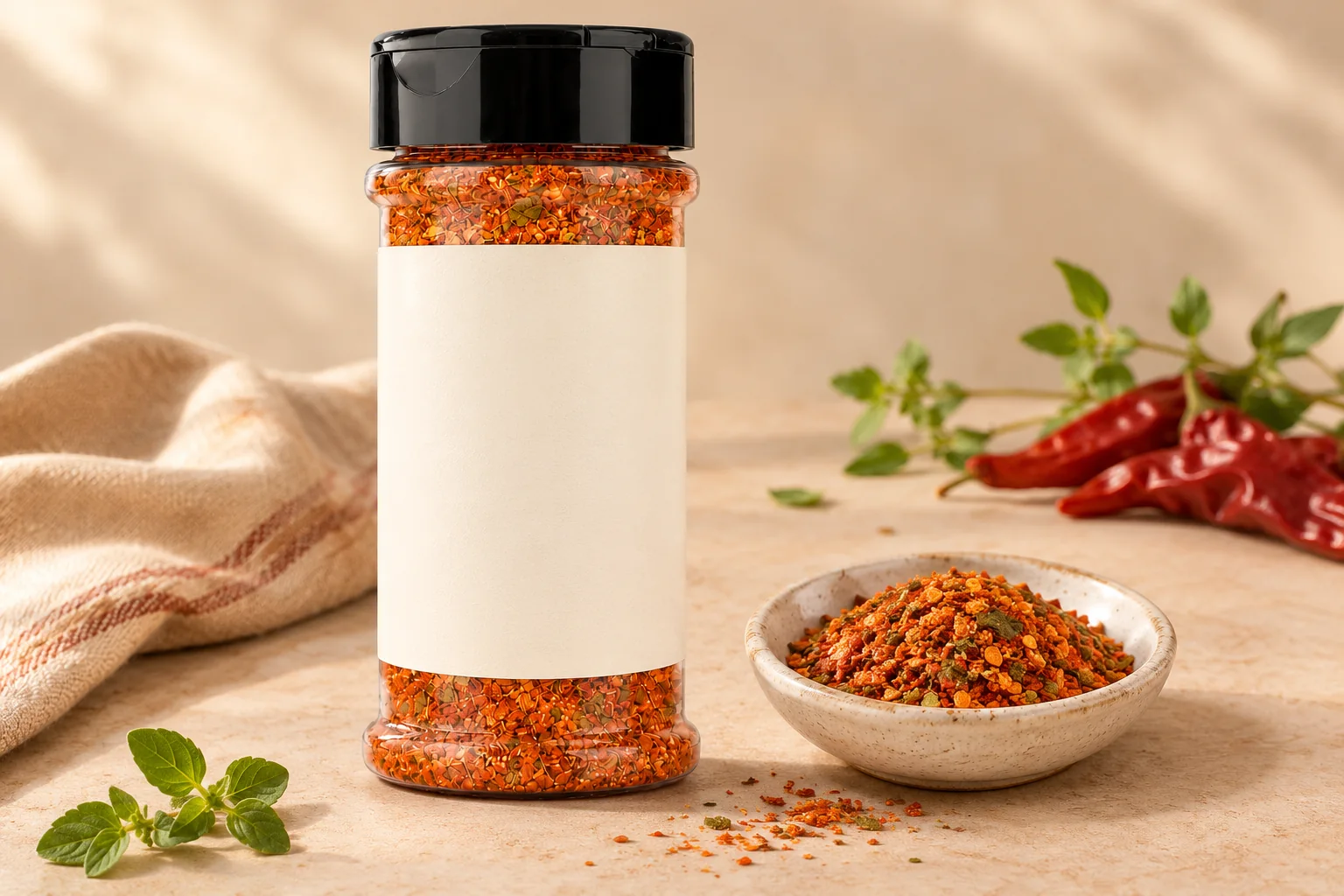
Identify an Existing Formula Rather than a New Recipe
Tell us that you want to assess an existing factory formula and state the food or channel it must serve. Include the flavour direction, ingredient restrictions and preferred presentation. We can discuss a candidate and confirm what is available for your actual project.
If you need the formula changed materially, identify the project as a development discussion. If you own a final recipe that must be followed, use a buyer-formula brief instead. Keeping these routes distinct makes sample approval and the quotation easier to define.
Use the Product References for Different Decisions
The chili-lime candidate gives a concrete flavour direction and bottle example, while its full selected declaration still needs review. Our smaller bottled-spice enquiry describes 28 g bottles and sample availability; identify the actual chili or selected mixed seasoning before approving it.
Our custom BBQ seasoning reference lists bag, bottle and bulk presentations. That helps frame a format discussion, but the chosen recipe must be established separately. Several product directions are not evidence of one interchangeable private-label formula.
Chili-lime blend and custom-label discussion · Small bottled-spice enquiry · BBQ seasoning with packing options
| Reference | Useful starting detail | Confirm for the project |
|---|---|---|
| Chili-lime seasoning | Custom label and blend; 184 g bottle example | Complete selected formula and actual presentation |
| Small bottled spice enquiry | 28 g bottle; sample available | Selected chili or mixed seasoning identity |
| Custom BBQ seasoning enquiry | Bag, bottle and bulk formats | Actual formula, available version and format |
Approve the Formula with a Traceable Sample
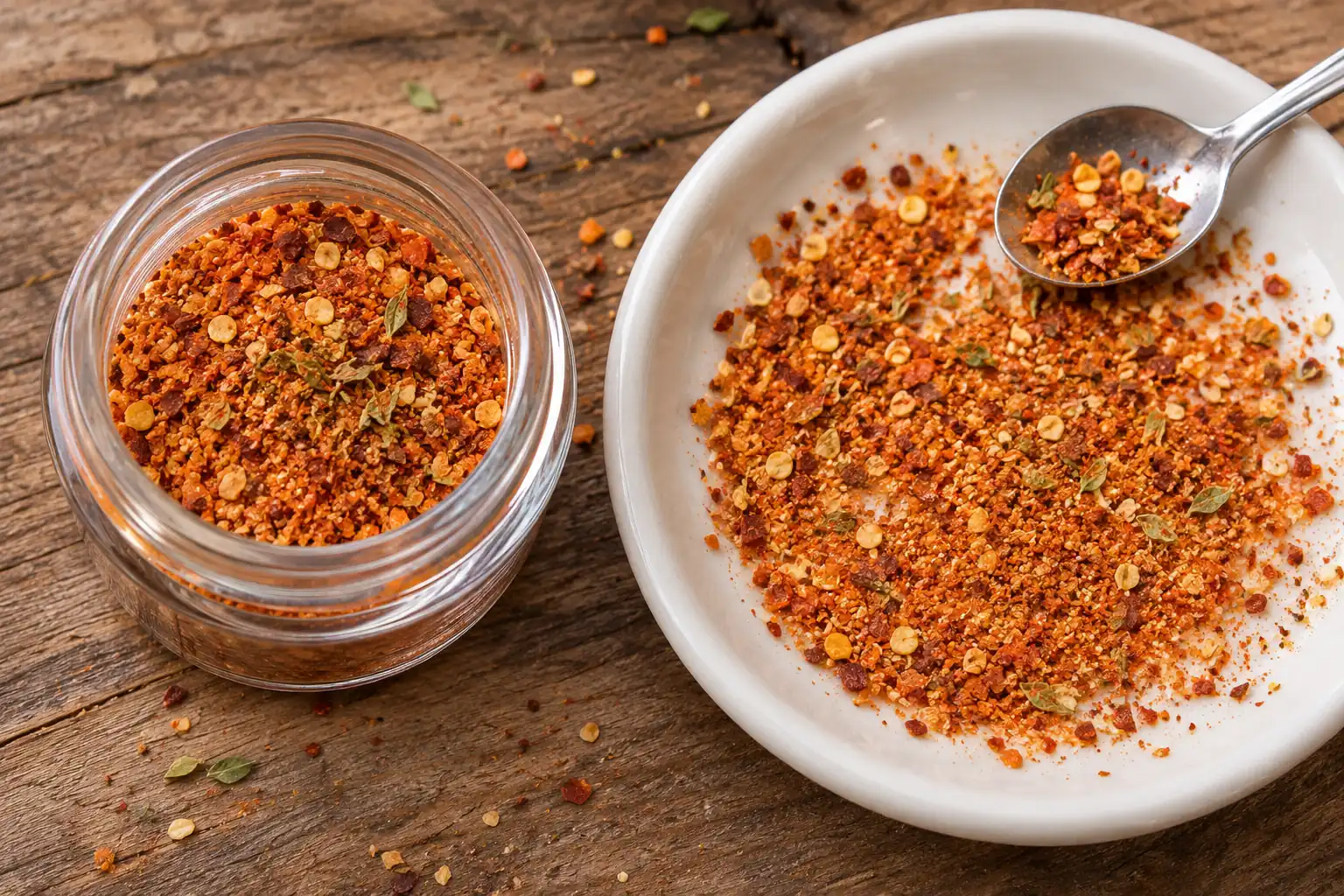
Request a sample of the actual existing formula under discussion and keep its complete ingredient information with it. Compare flavour, physical texture and appearance against your intended use. Do not base the decision only on a package photograph or a broad hot-spicy description.
Record the selected sample reference and the food result your team accepts. If another sample is proposed later, establish whether it is the same formula or a revision before extending the earlier approval.
Evaluate the Seasoning in the Food the Brand Will Describe
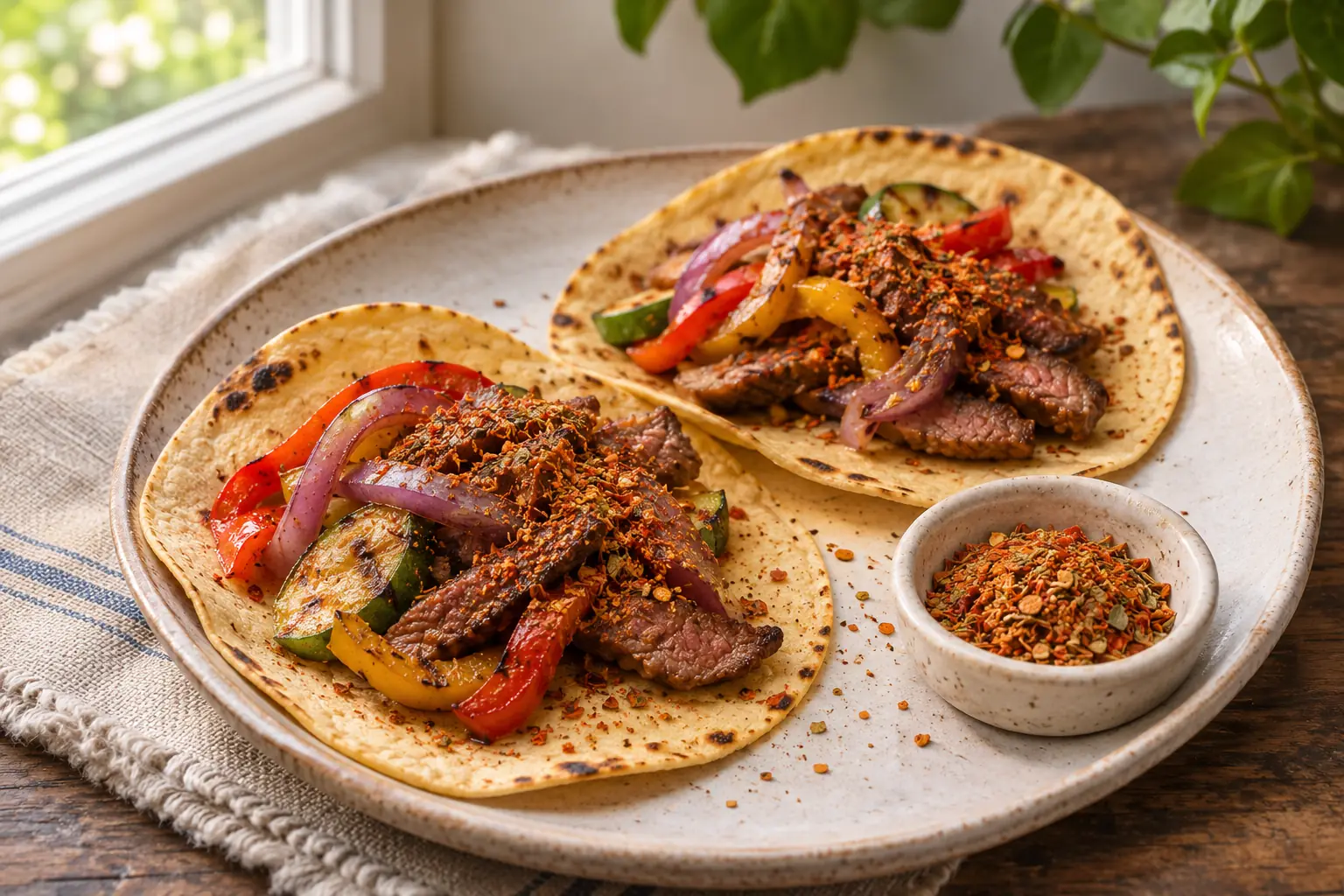
Use the intended food and point of application when comparing the existing formula. Keep preparation and the starting amount consistent against your reference. Record the accepted use amount and relevant observations rather than assuming the same dose works across every suggested dish.
For a retail seasoning line, choose representative foods that fit the product positioning. For foodservice supply, include the outlet preparation. The approved application record helps keep future product information connected to the blend that was actually evaluated.
Build Product Information from the Selected Declaration
Use the actual complete ingredient statement and selected-material information as inputs to the label review. Identify the destination, required language and the records your team needs for any product claim. A flavour or regional-style name cannot establish an ingredient exclusion or certification coverage.
Keep the formula revision, net quantity and use or storage information aligned across the pack proposal and buying record. Ask for applicable supporting documents before relying on a claim in finished artwork.
Approve the Physical Pack with the Chosen Blend
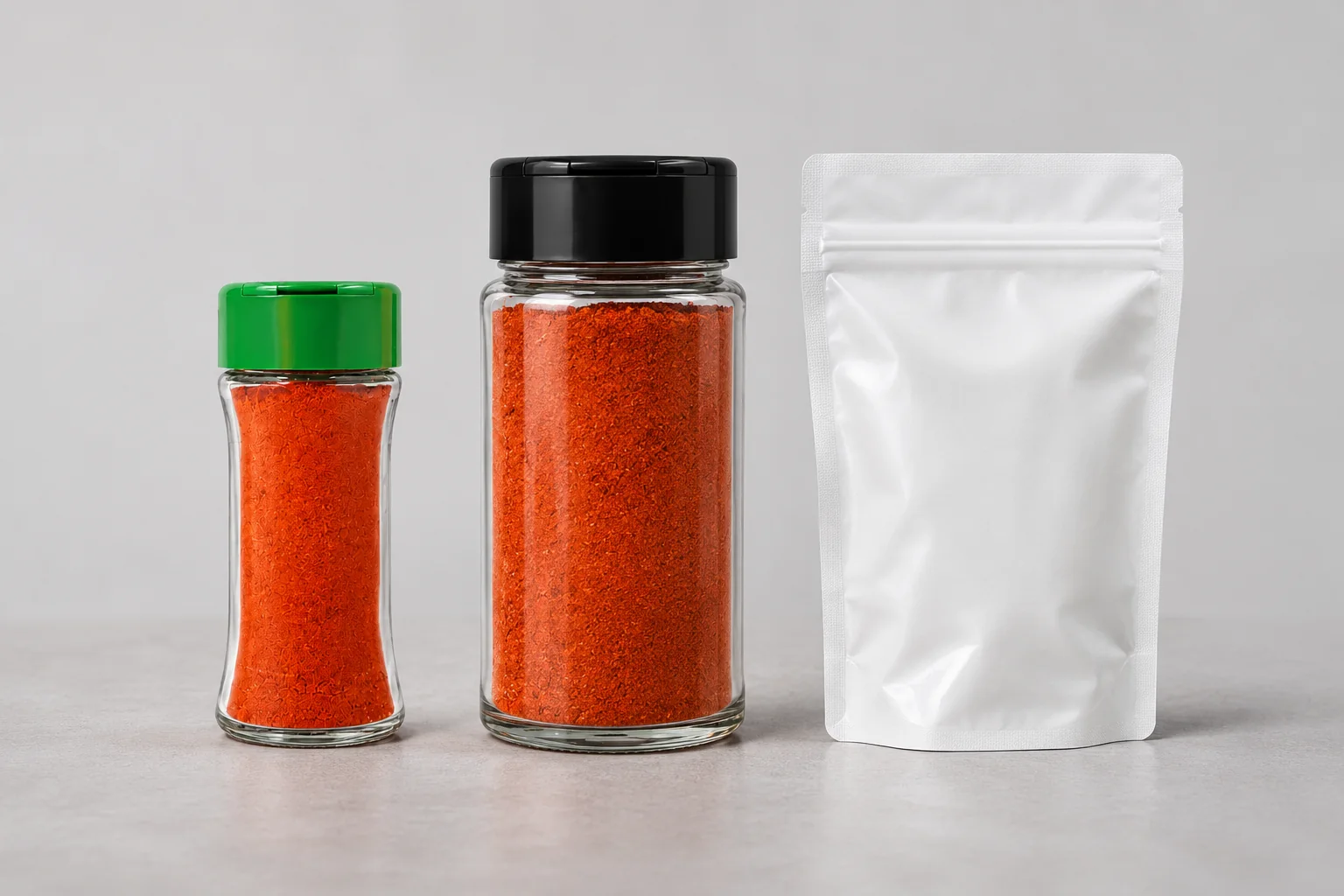
Define the bottle or bag, closure, net weight and outer count. Check how the seasoning is dispensed or portioned in the intended routine, especially where the formula has visible mixed particles. Confirm a physical pack sample when presentation matters to approval.
A small bottle and a larger foodservice pack can belong to different commercial arrangements. Do not apply one reference's shelf life or order conditions to another formula simply because the same brand artwork will be used.
Confirm the Order as a Specific Product Version
The offer should identify the accepted formula, sample, presentation, quantity and destination. Agree minimum order conditions, timing, artwork responsibilities and other commercial terms for that specific version. General OEM wording does not settle those details for every project.
Before a repeat order, retain the approved material and packaging references together. If the formula, net weight or closure changes, identify the revision and any review needed instead of carrying forward an ambiguous brand-only description.
| Element | Accepted reference | Reconfirm when changed |
|---|---|---|
| Seasoning | Formula and sample identity | Ingredients or material version |
| Presentation | Pack, closure and net quantity | Format or artwork |
| Supply | Quantity and commercial basis | Order scope or destination |
| Information | Required product records | Claim or declaration scope |
Send the Existing-Blend Requirement with the Brand Brief
Send us the flavour direction, intended food or sales channel, ingredient restrictions and sample need. State that you prefer an existing formula and add your destination, desired bottle or bag, target quantity and product-information requirements.
We can discuss a candidate and the actual private-label scope. Carry the accepted formula, food trial and physical pack into the quotation so that the brand project identifies a concrete seasoning product.
Request an Existing-Blend Discussion