
Replacing Chili Powder When Heating Changes the Colour
When the colour problem appears after heating, send us the process conditions and the accepted food reference before selecting a replacement. Our colour-oriented candidates include a 60-mesh red chili paprika powder declaring 150–160 ASTA and SHU ≤1,000, plus separate sweet paprika references carrying 160 ASTA and 180 ASTA designations.
These provide a shortlist for your comparison, rather than a proven heat-stable replacement. The useful decision concerns the colour of your actual food after its process. A higher dry-ingredient colour designation does not establish the result after your sauce cooking, baking or other heating step.
Discuss Colour After Your Process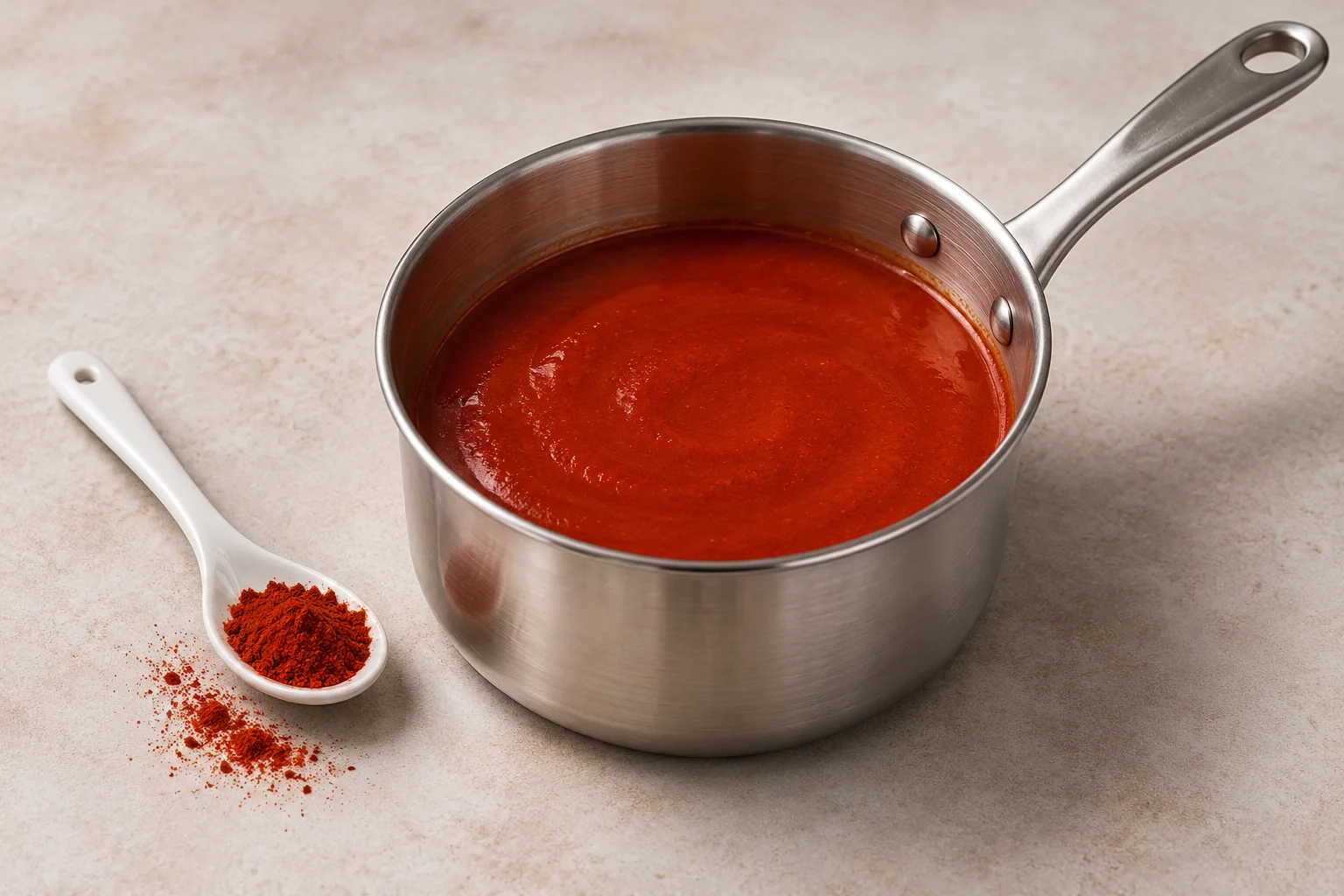
Record the Stage at Which the Colour Becomes Unacceptable
Identify the current powder, food base and inclusion level, then record the mixing and heating sequence used by your operation. Include the actual time and temperature conditions, the observation point and any later holding step relevant to the complaint.
Keep an accepted food reference or a clear description of the required appearance. Record the unacceptable result under the same viewing conditions. This gives the sample comparison a defined target and helps distinguish an incoming-powder difference from a change in the recipe or process.
Use Colour-Oriented Candidates as Separate Options
The low-heat pure red chili paprika reference lists 150–160 ASTA, 60 mesh and a maximum 1,000 SHU together. Keep those criteria with that candidate when selecting the sample and reviewing the rest of the recipe requirements.
The ASTA 160 sweet paprika and 180 ASTA red paprika references are other options for discussion. Agree their own colour grade, heat and particle requirements. Do not combine one candidate’s colour designation with another’s heat or mesh to create a grade that the catalogue does not describe.
150–160 ASTA Low-Heat Paprika Powder · ASTA 160 Sweet Paprika · 180 ASTA Red Paprika
| Candidate | Catalogue colour direction | Other selection conditions |
|---|---|---|
| Low-heat red chili paprika | 150–160 ASTA | SHU ≤1,000; 60 mesh |
| Sweet paprika | ASTA 160 designation | Heat and particles separately agreed |
| Sweet red paprika | 180 ASTA designation | Actual grade, heat and particles agreed |
Keep Dry-Powder Evidence Separate from Heated-Food Appearance
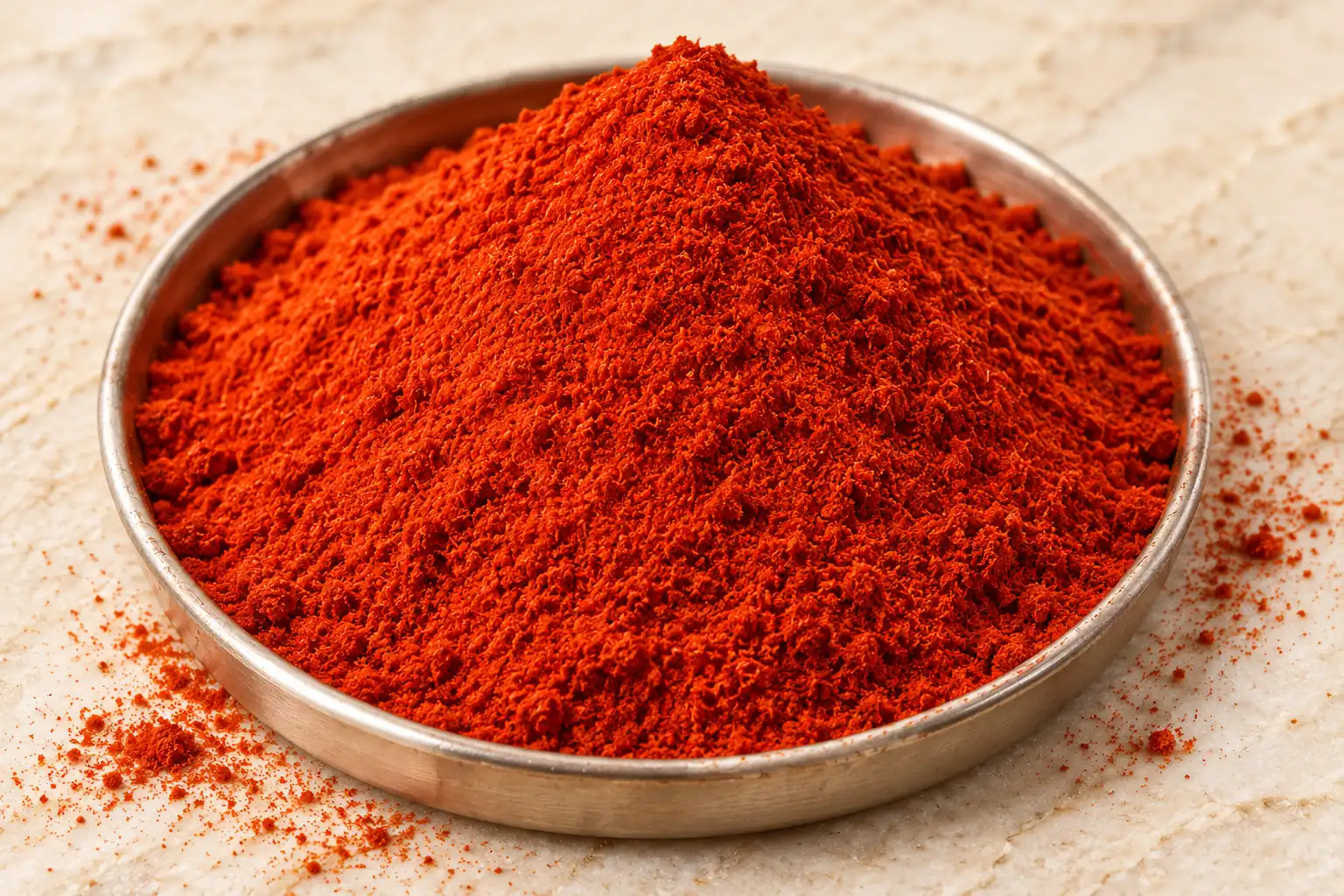
ASTA Method 20.1 determines extractable colour in capsicums and their oleoresins. That measurement concerns the ingredient under the method’s conditions; it is not a heating trial in your food base.
Use an agreed colour method where it is part of incoming-material acceptance, and retain the actual selected-material result. Then evaluate the food after its real process. Both records can support selection without converting an ingredient colour figure into a universal thermal-performance label.
Technical reading: ASTA 20.1 Extractable-Colour Method
Run the First Comparison with the Process Held Constant
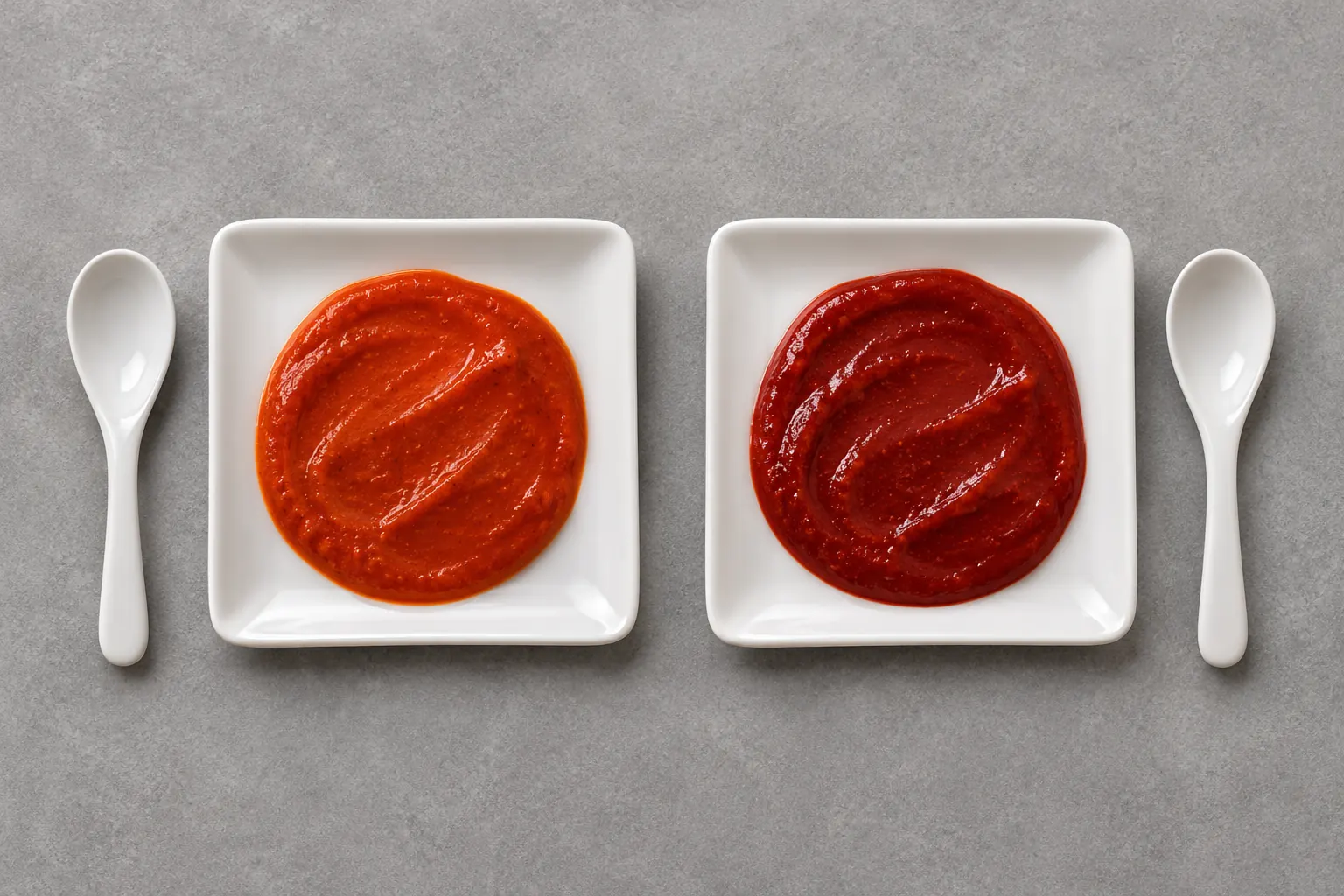
Prepare a baseline and candidate version using the same food base, starting powder dose, addition point and process settings. Keep the heating and observation conditions documented. If you assess both preheating and postheating appearance, use the same observation arrangement for each material.
Change one factor at a time in later trials. A new paprika grade, a higher addition level and a revised heating sequence are three different changes. Recording them separately makes the accepted result more useful for production and for the final ingredient specification.
Use Comparable Observations and Retain the Sample Identity
Assess the food with consistent lighting, presentation and evaluation timing. Record the candidate identity with the observation. If your team uses instrumental food-colour measurement, retain its method and acceptance conditions as a separate finished-food record.
Photographs can help share the comparison, but screen appearance alone should not define material release.
Keep Heat and Texture Inside the Replacement Decision
A replacement that improves red appearance may still change pungency, flavour or visible particles. Record those attributes with the colour result before approving the full recipe. The low-heat candidate’s stated maximum SHU is useful only for that product reference.
If your initial task is simply selecting a red powder with limited pungency, our low-heat guide gives a more direct shortlist. Here, the existing heating-related problem remains the controlling trial input, so the acceptance decision follows the processed food rather than the dry powder alone.
Keep Any Successful Result Specific to Its Process
A candidate accepted in a cooked sauce is not automatically approved in a baked dough. Carry the food base, addition point and heating conditions with the trial record, and review a changed application on its own requirements.
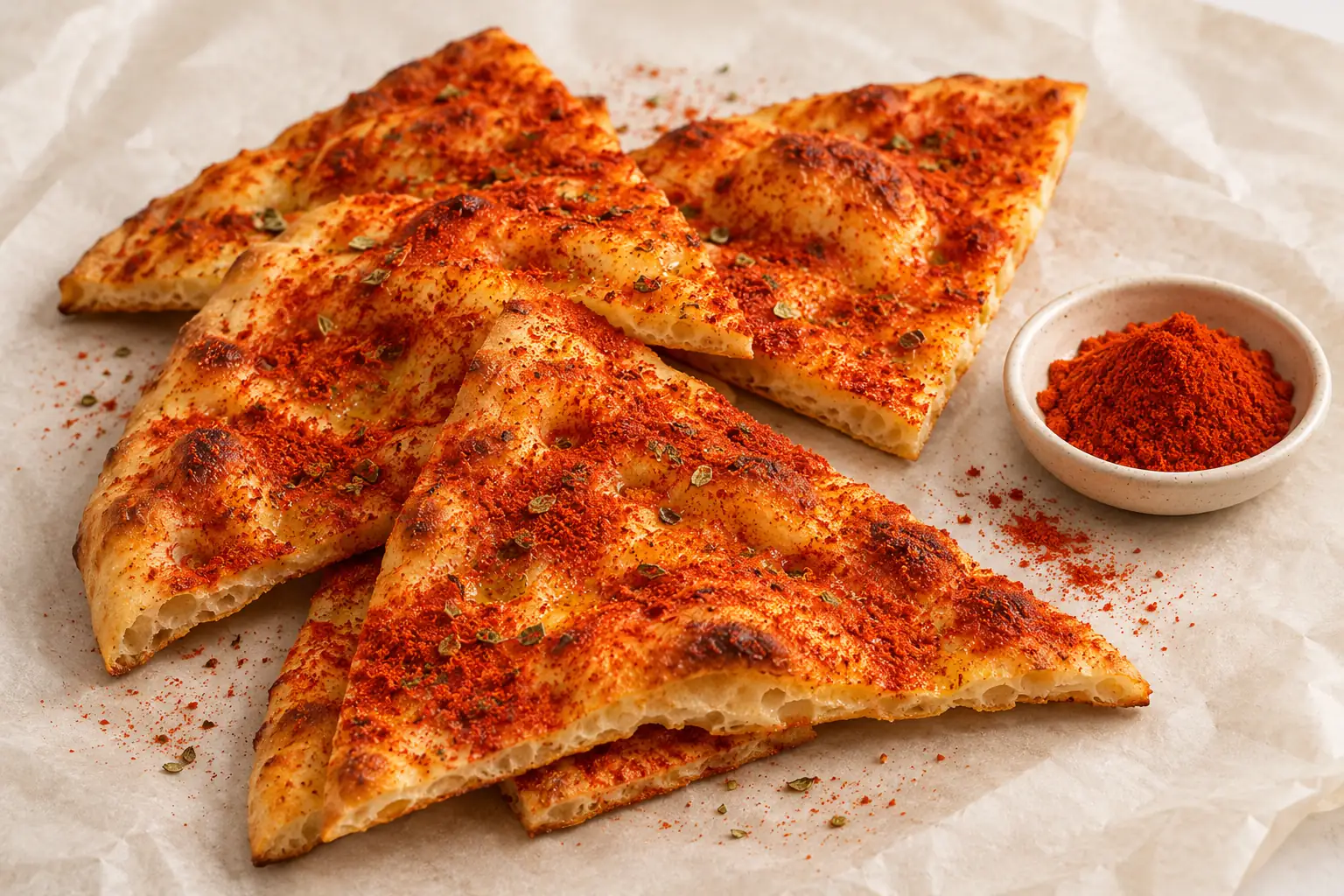
For a baked-food project, include the actual dough and baking process in the sample brief. Our baked-dough ingredient guide develops that application. The same material specification may support several trials, while each accepted food result needs a clear record of the process used.
Send the Process Record with the Replacement Request
Send the current powder, accepted appearance reference, food base, inclusion level and actual heating conditions. Include the point at which colour is judged, any available observations, heat and texture targets, and the ingredient documentation your team requires.
Add sample needs, order quantity, destination and packing. We can discuss the colour-oriented candidates against that complete brief. Keep the selected material and accepted process version together so a successful trial becomes a clear, repeatable purchasing requirement.
Send Your Colour-Replacement Brief