Red Colour with Low Heat in Chili and Paprika Powder
For a food formula that needs red colour with limited pungency, our pure red chili paprika powder provides a specific starting point: no more than 1,000 SHU, 150–160 ASTA and 60 mesh in the same product description. We can discuss that ingredient against your colour target and maximum acceptable heat.
We also list sweet paprika with an ASTA 160 designation and another red paprika with a 180 ASTA designation. Compare each as its own candidate. A higher colour designation does not establish lower heat, and an appealing dry powder does not determine the result in your finished food.
Discuss a Low-Heat Red Powder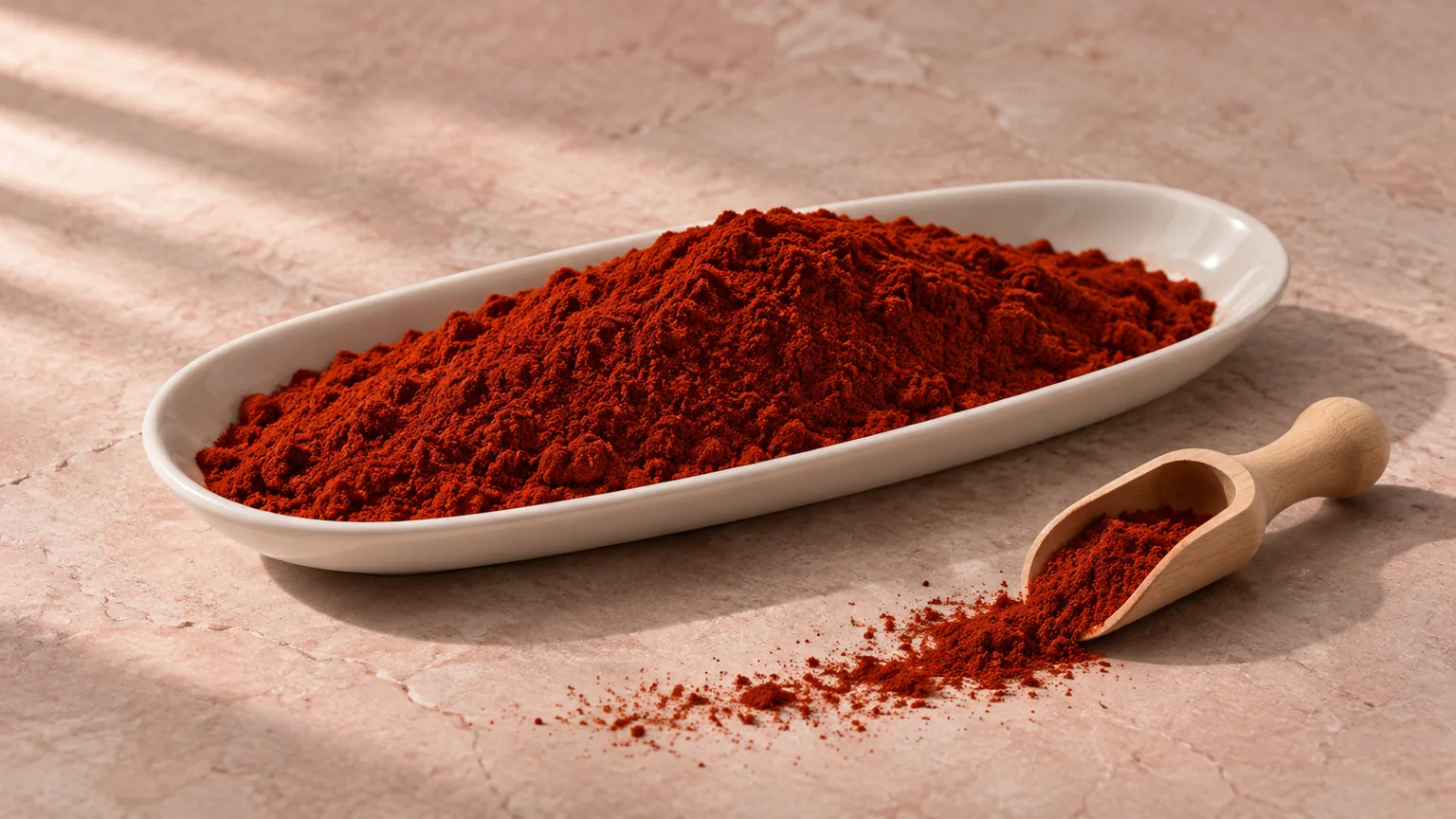
Set Two Targets Before Selecting the Powder
Write the red appearance requirement and the heat ceiling as separate fields. Include the food base and expected inclusion level. A mild sauce, a snack coating and a baked dough may use the same ingredient category while requiring different sensory results.
If you have a current powder or accepted food sample, keep it as a reference with the recipe conditions. Decide which differences would cause rejection before comparing candidates. This gives your team a clearer selection basis than requesting the reddest possible powder without a heat constraint.
Use the Low-Heat Reference as One Specification
The 60-mesh pure red chili paprika powder lists the heat ceiling of 1,000 SHU and colour range of 150–160 ASTA together. Those are product declarations for the proposed ingredient, with the relevant sample and acceptance information to follow for your purchase.
The same listing offers steam treatment as an option. Choose it explicitly if required and review the corresponding records for the selected supply. Do not transfer an optional treatment or a stated colour range to a different paprika simply because both powders look red.
Low-Heat 60-Mesh Red Chili Paprika Powder · ASTA 160 Sweet Paprika · 180 ASTA Red Paprika
| Candidate | Colour declaration | Heat and texture |
|---|---|---|
| Pure red chili paprika powder | 150–160 ASTA | SHU ≤1,000; 60 mesh |
| Sweet paprika powder | ASTA 160 designation | Agree heat and particles separately |
| Sweet red paprika powder | 180 ASTA designation | Agree the actual grade, heat and particles |
Judge the Colour in the Food You Make
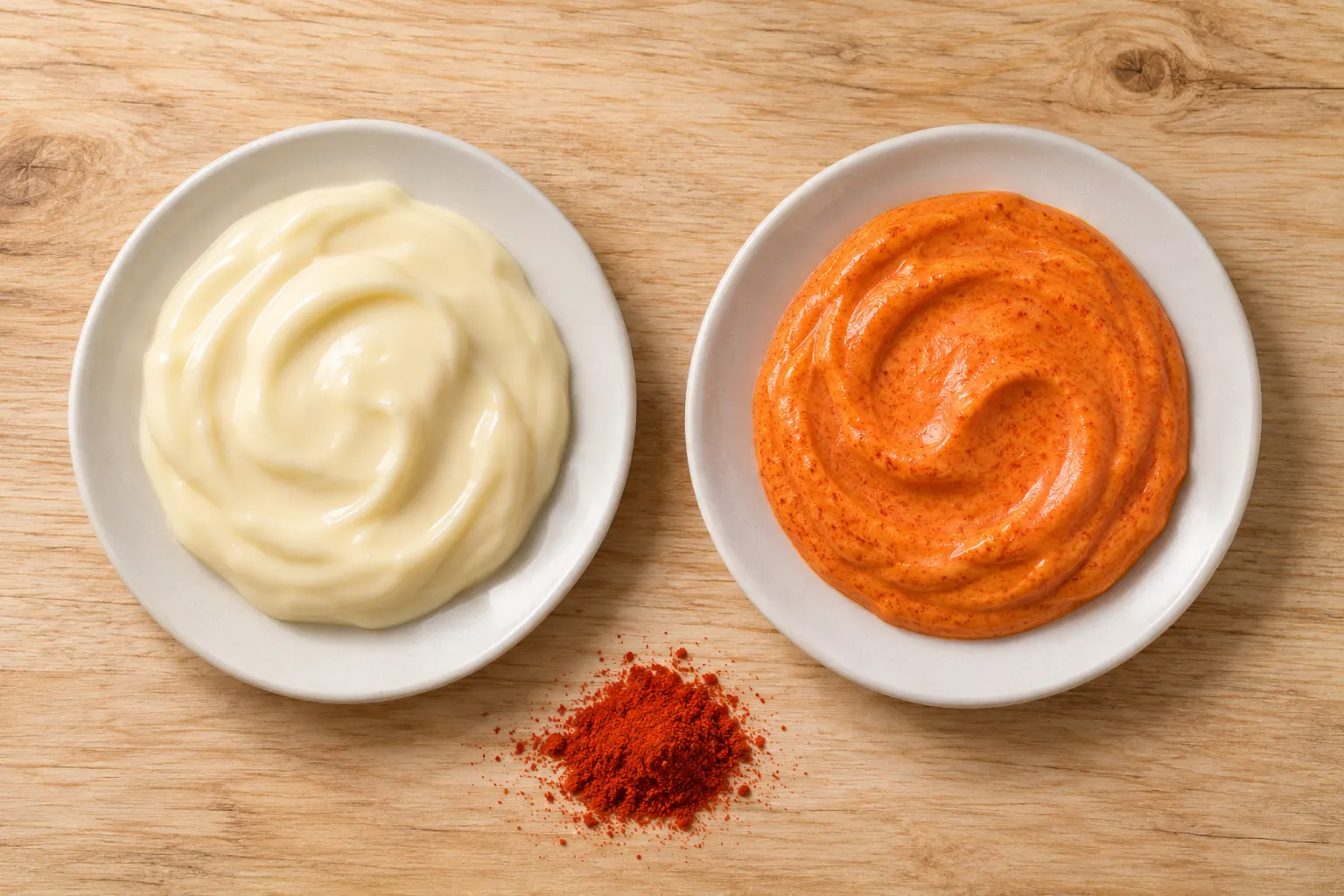
Prepare the current ingredient and the candidate in the same food base at the same starting dose. Hold mixing, preparation and observation conditions consistent. Record the visible colour together with heat and mouthfeel, since a colour improvement alone may not meet the whole recipe brief.
Use a defined viewing setup for side-by-side comparisons. A photograph can help your team share observations, but its screen appearance should not become the acceptance standard by itself. Retain the sample identity and the actual food portion or agreed evaluation record.
Compare Paprika Grades Without Combining Their Attributes
The ASTA 160 sweet paprika reference declares Paprika Powder as its ingredient. Its sweet description is a flavour direction; if a numerical pungency limit matters, include that limit in the sample request rather than assuming a precise heat value from the name.
The 180 ASTA red paprika reference states 100% chilli. Confirm the selected colour grade and the texture needed by your process. It remains a separate option from the low-heat 60-mesh powder, so its designation should not be used to increase that other product’s stated colour range.
Keep Sample Approval Connected to the Selected Grade
Assign each candidate a sample reference before making the comparison. Retain its composition and agreed colour, heat and particle requirements with the food-trial notes. If an adjustment is needed, change one factor at a time so you can see which change produced the accepted result.
A catalogue value is a useful screening criterion, while approval concerns the material being supplied. Ask for the product-specific specification and results your team needs, with the reporting basis agreed before using them as a release condition.
Add Process Evaluation When the Recipe Includes Heating
This shortlist answers the initial choice of a red, low-heat ingredient. If your actual difficulty is a colour change during cooking, use the cooking conditions as a separate trial input. The declared ASTA figure does not demonstrate a heat-stability result in a sauce or dough.
Record the preparation stage at which the colour is assessed and retain the unheated reference where useful. Our guide to colour after heat processing develops that replacement comparison. Moisture requirements can also be added to the ingredient brief without treating them as proof of colour performance.
Keep the Complete Recipe Balance in View
A paprika that meets the colour target still needs to fit the flavour and texture of the complete food. Assess the finished preparation at the intended use level and compare it with the accepted reference.
For a coating, include coverage and visible particles in the evaluation. For a sauce, include the appearance throughout the food rather than the powder remaining on the surface. Record the useful outcome in terms your production and purchasing teams can both apply.
Request a Colour-and-Heat Sample Comparison
Send us the food application, current reference if available, colour requirement, heat ceiling, inclusion level and particle needs. Add any treatment requirement and the records your team uses to approve a raw ingredient. Include the proposed quantity, destination and packing so the selected grade can lead to a comparable offer.
We can begin with the complete low-heat specification or discuss the other paprika candidates. Keep the selected product and accepted food-trial conditions together when you move from a sample enquiry to repeat purchasing.
Send Your Colour and Heat Targets