
Prepared Fermented Chili Peppers for Central-Kitchen Cooking
For a central kitchen seeking a sour-spicy prepared chili ingredient, start with our fermented-chili seasoning references and confirm the selected product's preparation and full ingredients. The traditional-style and Sichuan-style references list a 1 kg × 10 format, with stir-fried processing also described.
Choose the material as a prepared cooking ingredient. Agree the actual process and physical condition relevant to your recipe, including any requirement that depends on fermentation. The product name alone should not substitute for the selected declaration and the cooking result your kitchen needs.
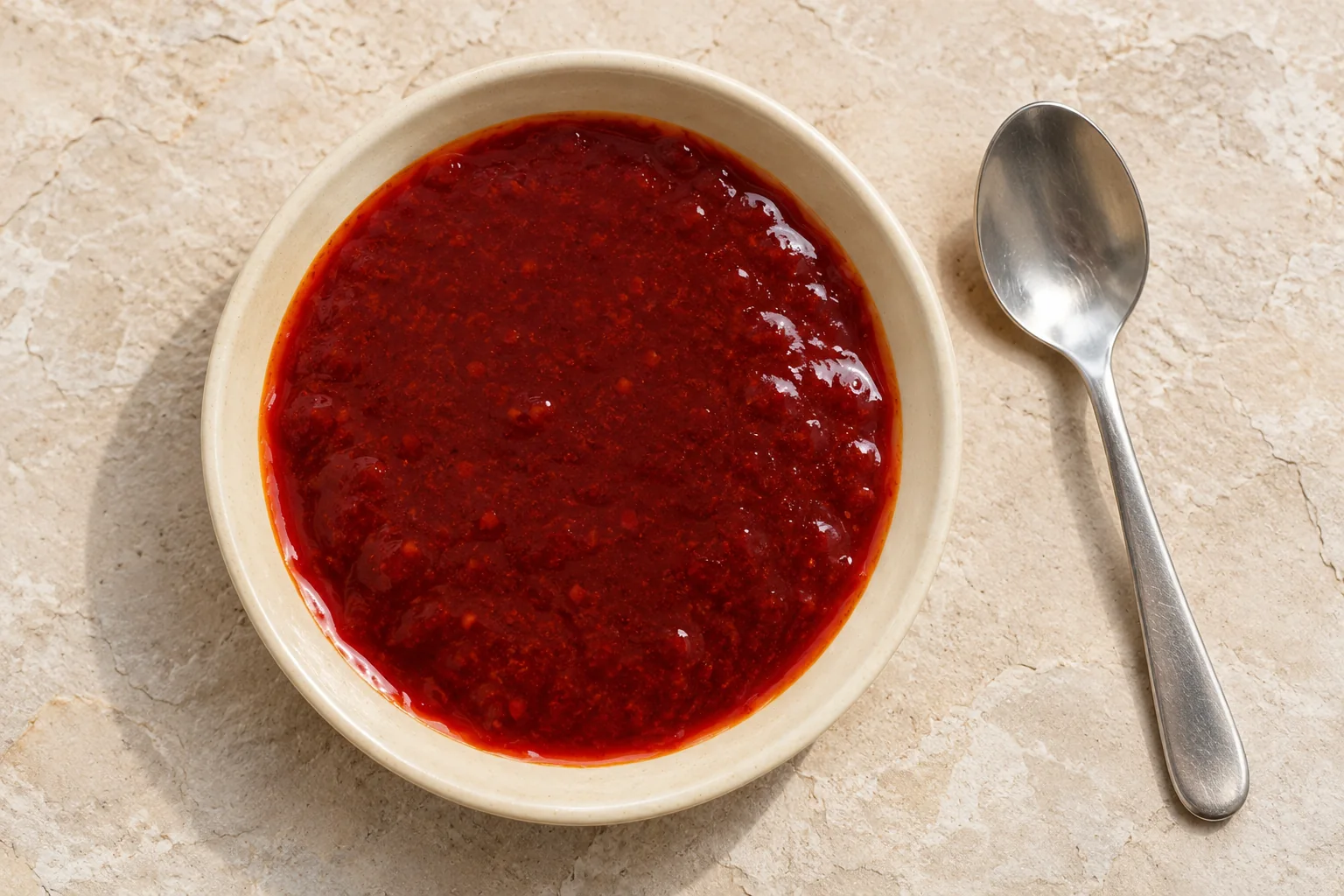
Define the Role of the Prepared Chili in the Dish
State whether the ingredient is incorporated into a sauce base, mixed through a cooked dish or added at another defined step. Describe the sourness, heat, aroma and visible chili texture your recipe needs at that point.
This helps distinguish a prepared seasoning from raw chili purchased for your own fermentation. The central-kitchen task is to select an existing material that fits its cooking sequence. Keep the preparation role visible before comparing pack sizes or a familiar regional flavour name.
Review the Selected Product and Processing Description
Our traditional-style fermented-chili reference provides a sour-spicy seasoning direction. The Sichuan-style reference supplies a related catering direction. Both are prepared chili-mix enquiries with stir-fried processing described and a grouped 1 kg × 10 format.
Confirm the actual process sequence for the product being proposed, particularly when fermentation is essential to your ingredient requirement. If you need process information for approval, request it for that selected product. Do not infer a particular fermentation duration, culture or measured acidity from the product name.
Traditional-Style Prepared Fermented Chili · Sichuan-Style Prepared Chili Seasoning
| Route | Starting point | Confirm for your recipe |
|---|---|---|
| Traditional style | Sour-spicy prepared chili | Actual product and process |
| Sichuan style | Catering seasoning direction | Selected flavour and texture |
| Both | 1 kg × 10 format listed | Actual packing arrangement |
The Package Declaration Defines the Recipe Review
Obtain the complete ingredient and content information from the selected package. Review salt, oil, flavouring and any compound ingredients where they affect your own food specification. Keep any project restrictions explicit rather than assume a prepared chili is a single ingredient.
Retain the package statement with the sample version. If your kitchen needs a composition change, discuss it as a separate formulation and approval task. A similar red appearance does not connect a changed recipe to an earlier ingredient decision.
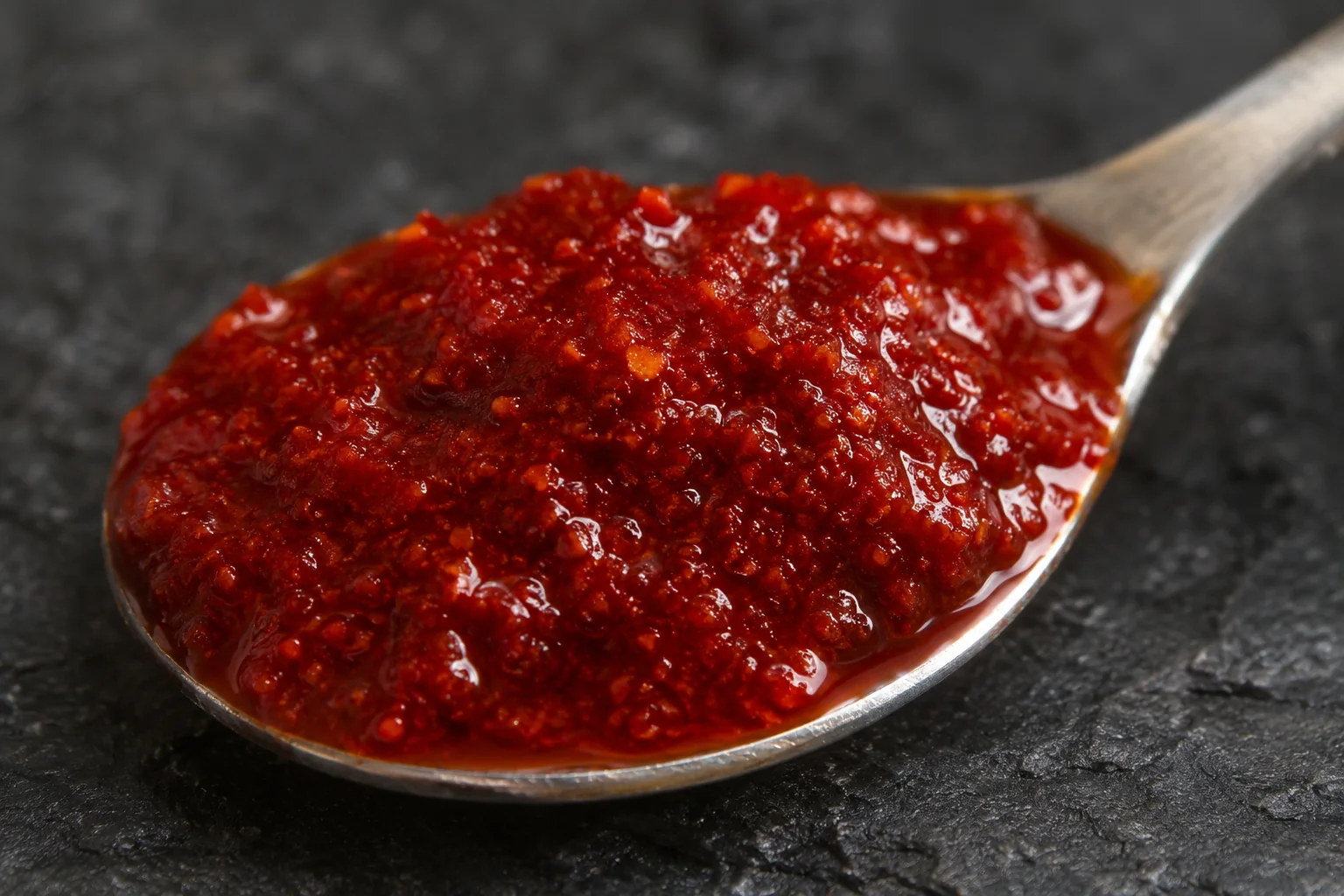
Compare Sourness and Heat in the Full Cooking Recipe
Trial the selected seasoning in your actual food base and cooking sequence. Keep the first comparison's addition level and other conditions consistent, then record sourness, heat, aroma, salt balance and the finished texture.
The prepared ingredient may contribute more than chili heat, so assess its place in the recipe before adjusting other seasoning. If the trial calls for a different dose or formula change, retain it as a separate version. Your kitchen's result should determine the accepted use, without an assumed universal recipe amount.
Choose the Pack Around a Real Cooking Batch
Use the listed 1 kg × 10 format as a starting point for the supply discussion. Confirm the actual inner pack, outer arrangement and net amount in the quotation, then compare the unit with how much your kitchen uses during preparation.
Keep opening and remaining-use instructions with the selected pack. A convenient unit for one batch may create a different handling task for another kitchen. Assess the actual arrangement rather than treat the grouped format as proof of every required commercial configuration.
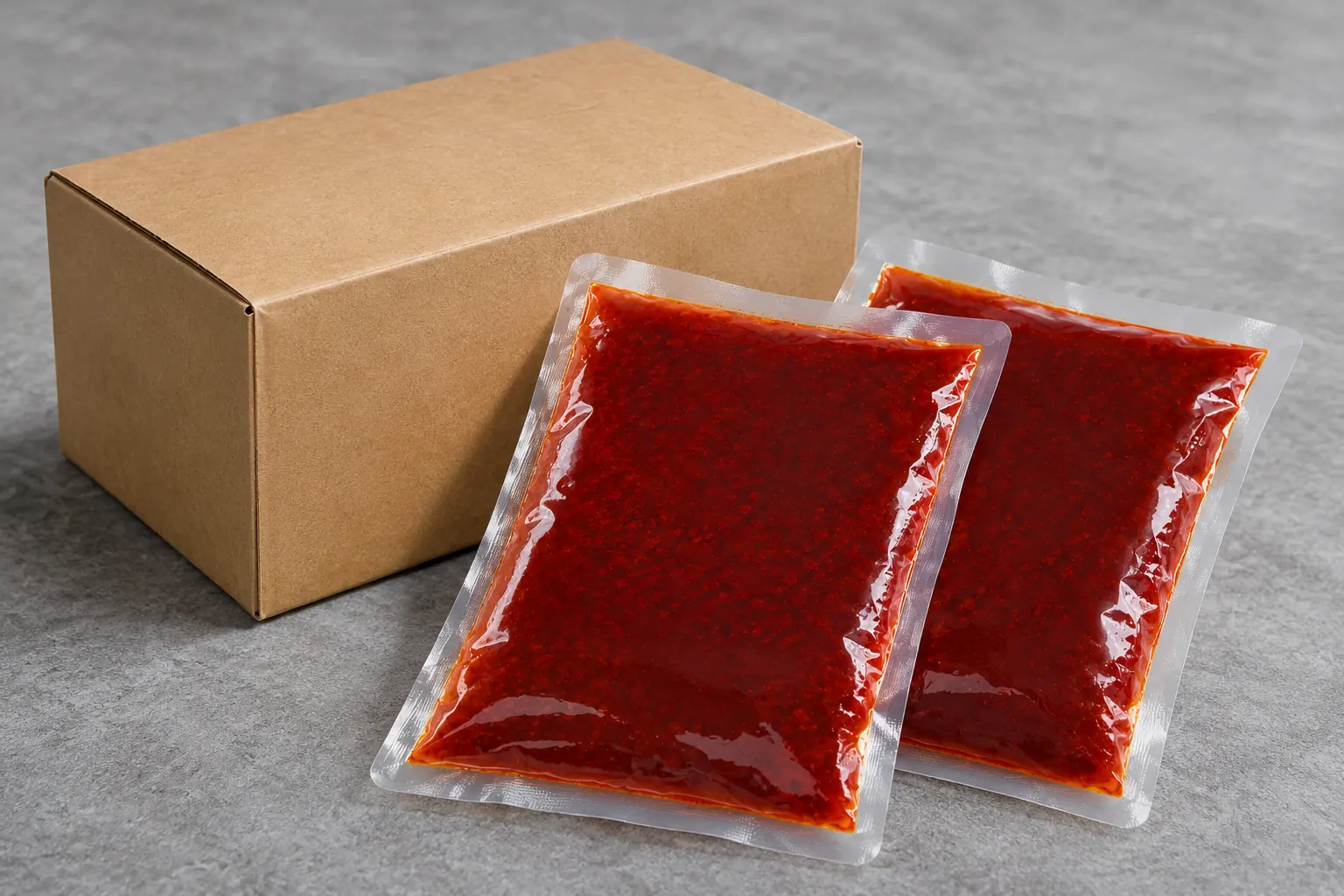
Keep Storage and Preparation Instructions Together
The references list normal-temperature storage and a 12-month shelf life. Confirm the applicable conditions, dates and package instructions for the material you select, including guidance after opening.
The prepared product needs its own use direction for your food process. Request any additional handling or product records required by your operation and retain them with the same sample. A familiar fermented-chili name does not establish a complete storage procedure or a ready-use instruction for every dish.
Keep Fermented, Brined and Chopped Tasks Distinct
If your process needs salted or brined chili as a raw material for further preparation, define that preservation system separately. If it needs a particular chopped cooking ingredient, specify that physical form and composition.
These tasks can overlap in a product, but none should be inferred automatically from the others. Choose the state and recipe the kitchen actually requires, then compare the sample in the food. A prepared sour-spicy seasoning is assessed for its own composition and contribution rather than as a substitute for every preserved chili.
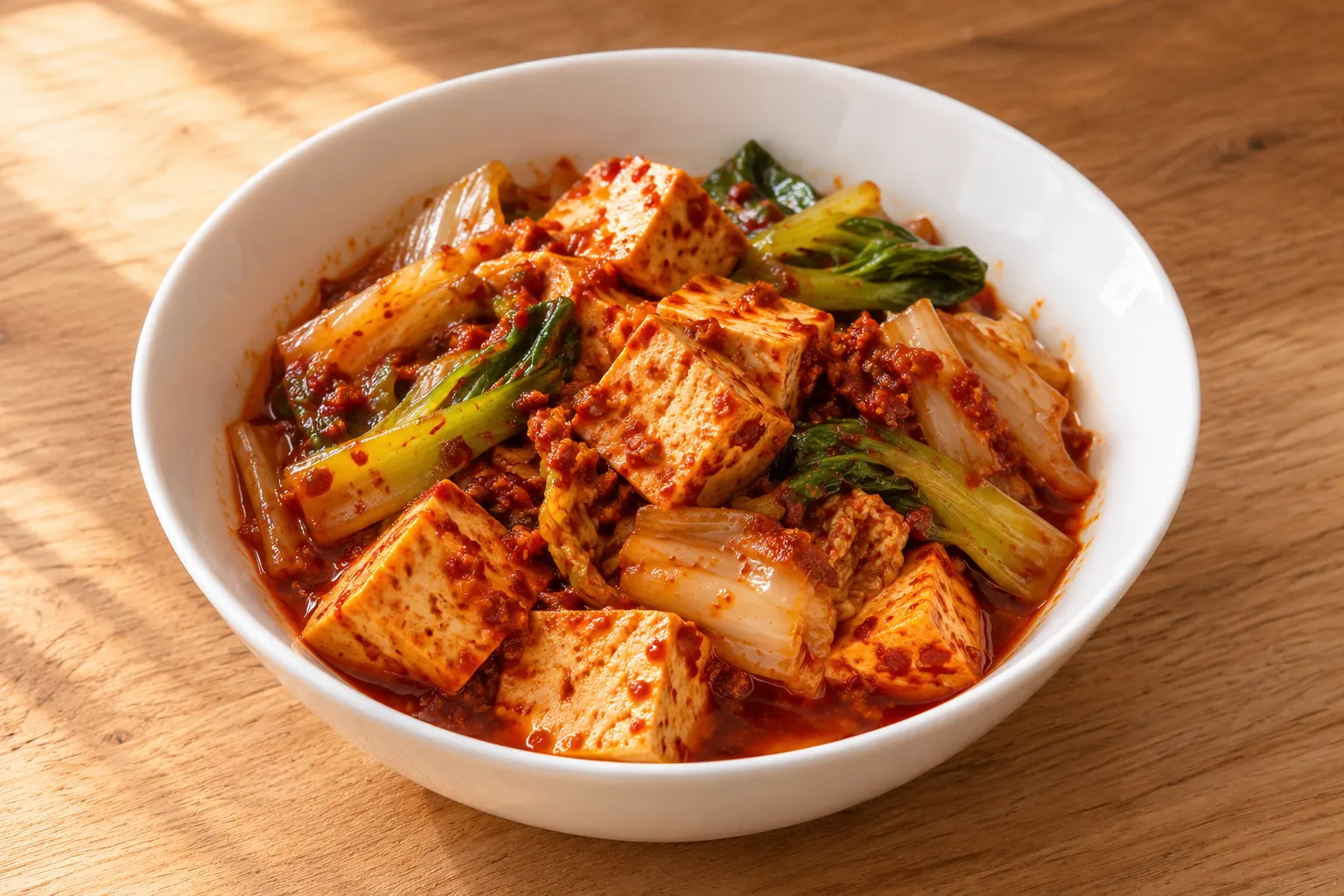
Approve the Prepared Material for One Defined Cooking Use
Confirm the product identity, relevant process information, complete ingredients, physical texture, accepted food trial and packing. Keep the applicable storage and preparation instructions with that selection.
We can discuss the traditional-style or Sichuan-style prepared chili route against your central-kitchen requirement. Retain the chosen sample and recipe version for repeat supply, with any change of process, formulation or physical state reviewed before substitution.
Discuss Prepared Chili for Central-Kitchen Cooking