Chili Seasoning Procurement with Sesame, Peanut or Soy Restrictions
Choose a chili seasoning for a sesame, peanut or soy restriction by screening the complete selected recipe first. Our sesame-and-peanut dipping powder contains two of those ingredients, and our chili-sesame-soybean seasoning names sesame and soybean. These blends belong outside a shortlist when your requirement excludes their declared components.
A chili-and-salt rub can be a route for further ingredient review, but its short description does not establish the complete absence of a restricted ingredient. We can discuss the project against its precise restrictions and the records your approval team needs.
List Each Restriction and the Evidence It Needs
State whether your project restricts sesame, peanut, soy, or a specified combination. Include ingredient-source conditions and the exact wording your customer uses. A requirement about deliberate addition and a requirement about production cross-contact call for different information.
Give your team a decision record with a field for each restricted ingredient and a clear acceptance owner. This prevents a general statement such as special-diet seasoning from replacing the particular composition and production questions your order needs answered.
Two Declared Blends with Clear Screening Outcomes
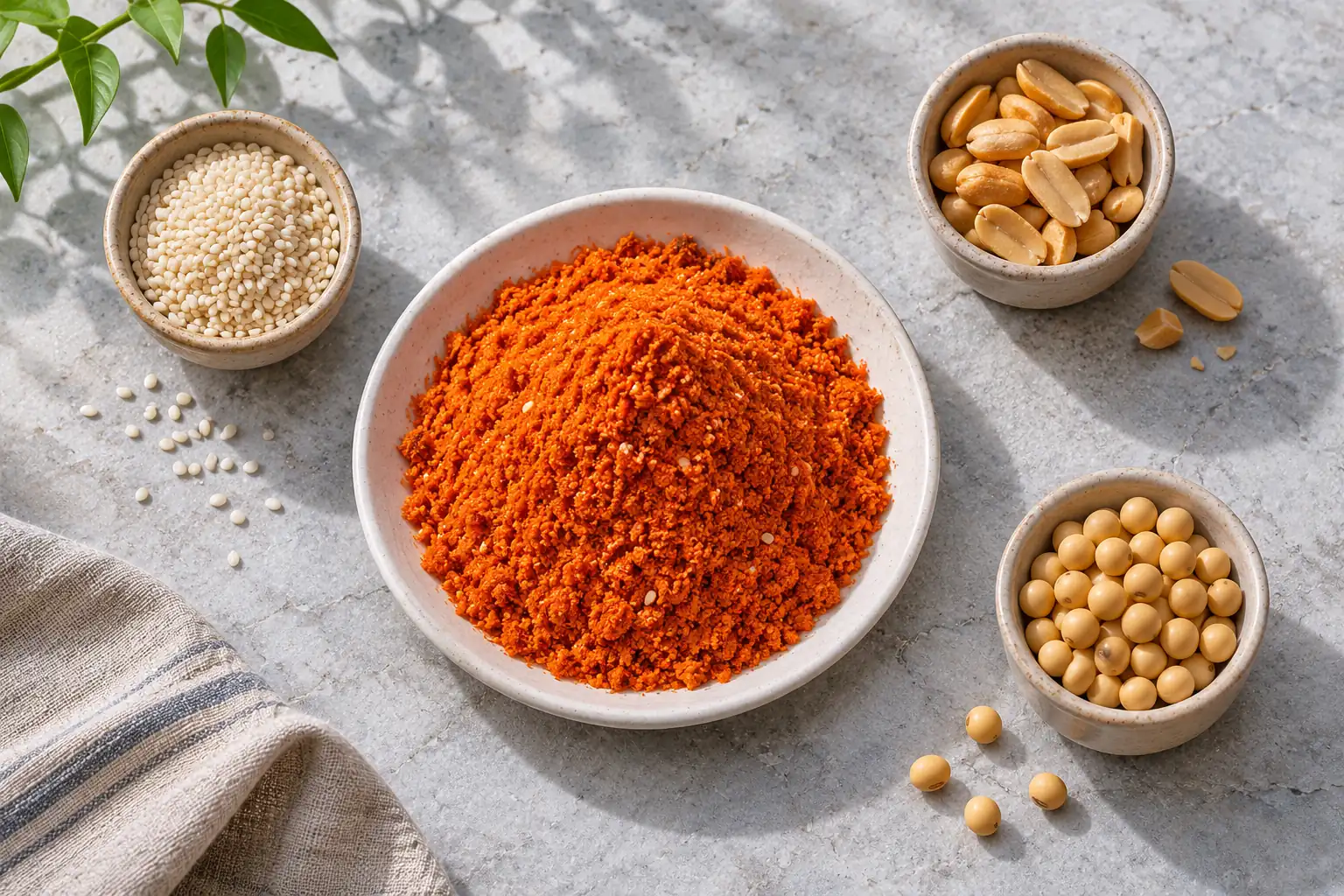
The dry dipping powder lists chili powder, sesame, peanut and salt. For a sesame or peanut restriction, its declared recipe is a direct mismatch. The separate seasoning lists dried chili, canola oil, white sesame and soybean, making it a mismatch when sesame or soy is excluded.
These are useful distinctions for procurement: an attractive hotpot or BBQ flavour is not enough to qualify a blend. Screen the ingredients before spending time comparing sample aroma, colour or serving performance.
Sesame-and-Peanut Dip Ingredients · Chili, Sesame and Soybean Seasoning Ingredients
| Product direction | Explicit restricted components | Selection outcome |
|---|---|---|
| Sesame-and-peanut dry dip | Sesame; peanut | Exclude for those restrictions |
| Chili-sesame-soybean seasoning | Sesame; soybean | Exclude for those restrictions |
| Chili-and-salt rub | Short list needs confirmation | Hold for full review |
A Chili-and-Salt Candidate Still Needs the Complete Version
Our chili-and-salt BBQ rub has a shorter listed composition. It is a sensible product to discuss if you want to explore a simpler blend, with the full statement requested for the exact version being sampled.
Confirm whether there are compound flavourings, carriers or other ingredients relevant to your restriction. A missing word in a catalogue entry cannot settle the question. Keep the resulting ingredient statement attached to the selected formula rather than applying it to every seasoning sold under a similar rub name.
Composition and Cross-Contact Are Separate Review Subjects
A recipe review addresses the ingredients intentionally used in the formulation. A production review addresses the controls and verification information relevant to the way the product is made. Obtain both when your project requires them, and avoid treating one as a substitute for the other.
Request the relevant supplier and upstream declarations, production-control information and any testing your approval programme specifies. The evidence should answer your own acceptance condition; a broad factory description does not establish a dedicated line or a finished-product guarantee.
The Sample Should Follow the Approved Recipe
After the required ingredient evidence is acceptable, trial the selected version in your actual food. Record the application, inclusion level, preparation and the flavour outcome you want to retain. This is the stage for comparing a rub, dry dip or other seasoning use.
If a flavour adjustment changes the recipe, return the new version to ingredient review. A sample with a similar red appearance is not enough to connect it to a previously approved formulation.
When a Current Recipe Has Not Yet Qualified
An unconfirmed recipe should remain pending. You can request the missing information, choose a different product direction or discuss a separate formulation. This is a concrete procurement outcome even when no current blend is ready for your restricted project.
Share which flavour elements matter most and which ingredient changes you would consider. A formulation discussion can then focus on feasibility, with the complete composition and production evidence reviewed before anyone treats the new version as approved.
Keep the Intended Food and Preparation Visible
The chili-sesame-soybean seasoning includes a boiling-water preparation instruction, while the sesame-and-peanut blend is described for dry dipping and BBQ. Those are distinct serving directions. Confirm the method applicable to the formula chosen for your project.
A restriction-led recipe change may also require a new serving trial. Assess flavour, texture and preparation in the real food rather than assuming that removing an ingredient preserves the same handling or taste. Record the chosen use with the sample and composition.
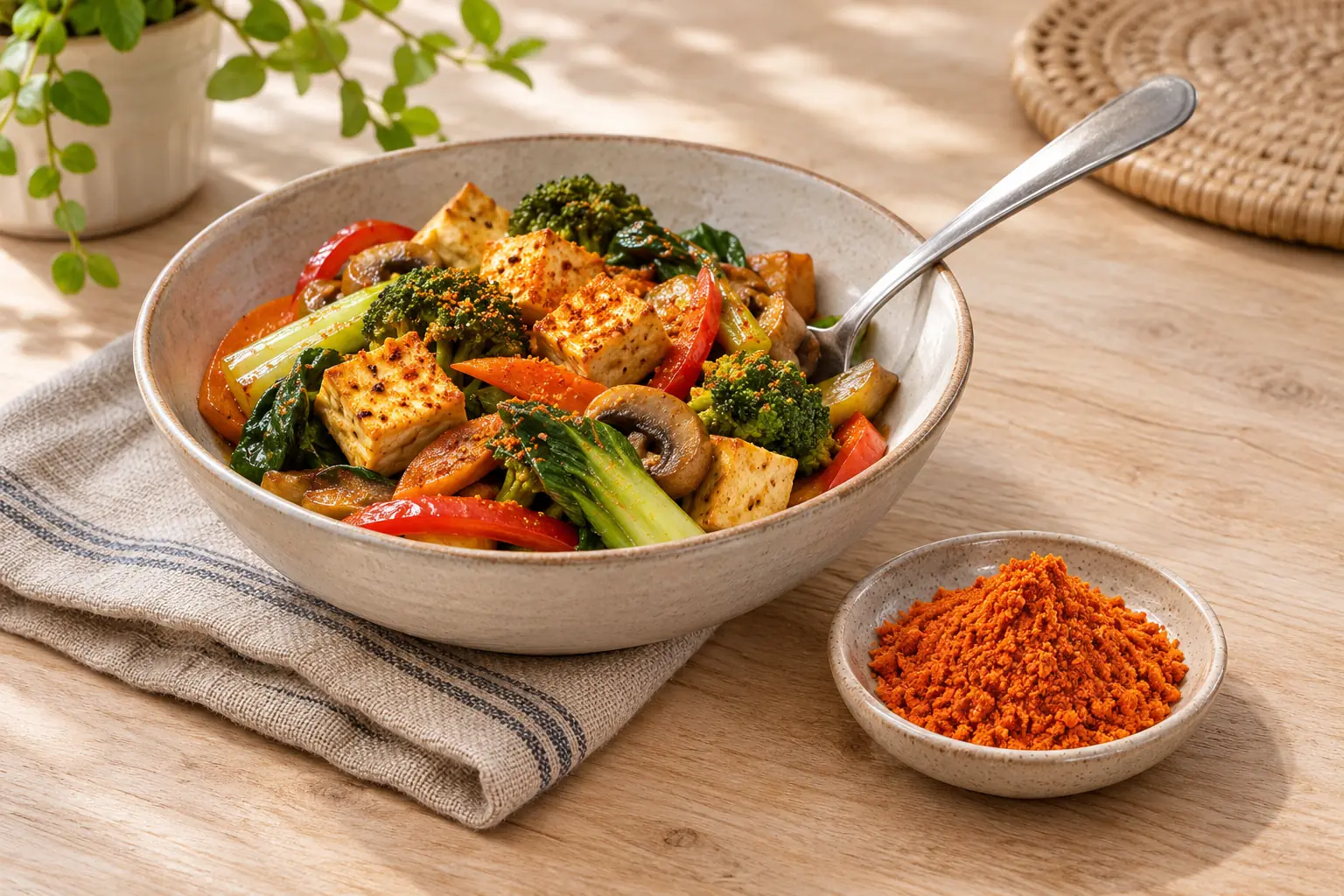
A Clear Brief for Restricted-Ingredient Sourcing
Send the exact restricted ingredients, the project wording, target flavour and application, required declarations or verification records, and whether you will consider a separate formulation. Identify any existing blend you want reviewed.
We can use this brief to discuss a suitable route with you. Keep ingredient screening, production information, sample approval and the final formula version connected so the commercial decision follows the same requirement throughout the order.
Discuss Restricted-Ingredient Requirements