
Litsea Cubeba Chili Powder with a Citrus Aroma
Our Litsea cubeba roasted chili seasoning is a candidate when you want a citrus-like aromatic note alongside chili and Sichuan peppercorn character. Approach us with the food and reference flavour you intend to achieve, and assess the selected blend as a complete seasoning.
The listed ingredients include dried chili peppers, salt and Sichuan peppercorn, with monosodium glutamate, chicken essence and Litsea cubeba also named. This is a formulated dipping-and-cooking powder, so its complete declaration should travel with the sample you evaluate.
Discuss the Litsea Chili Blend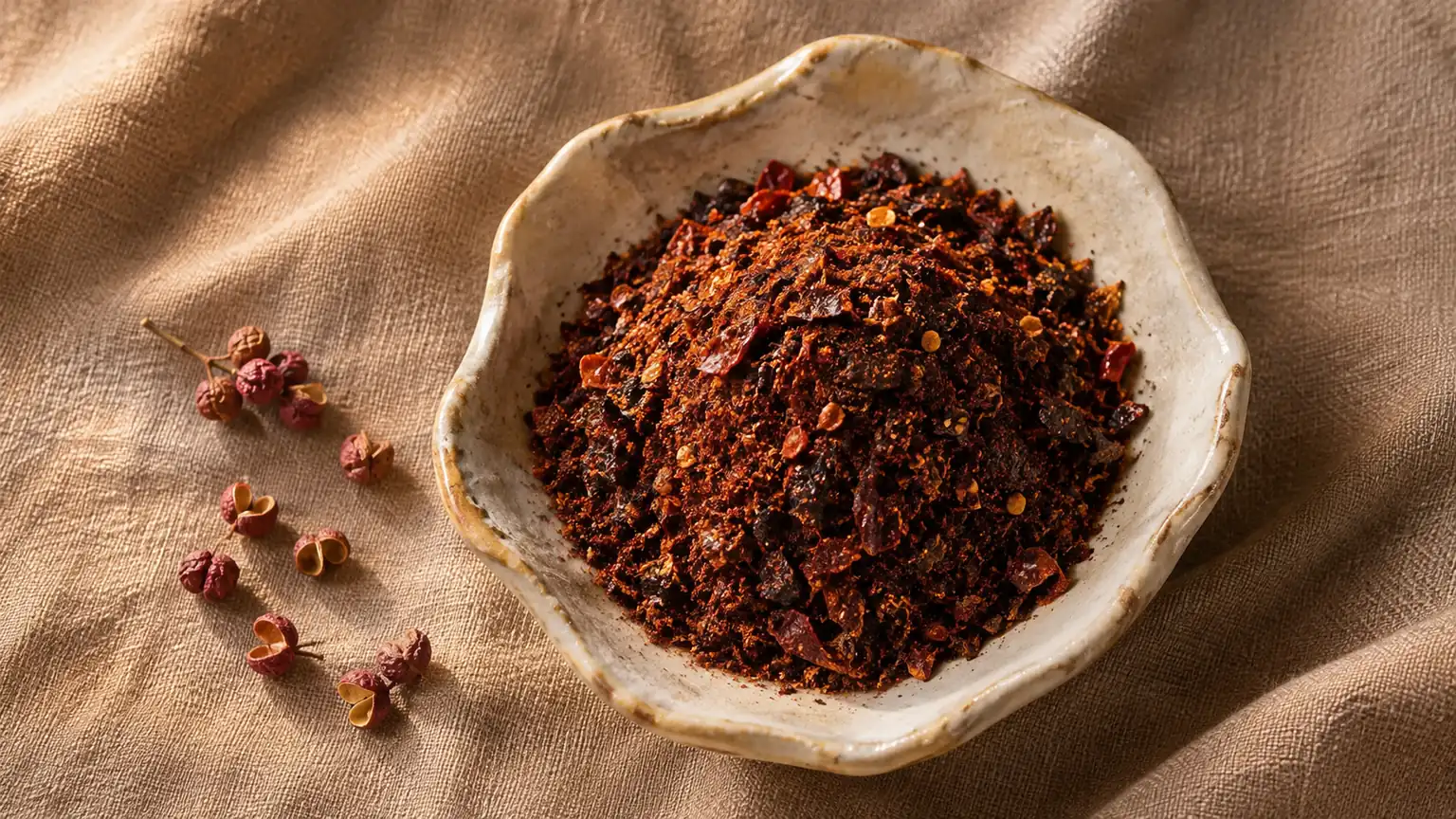
Separate the Aroma Target from the Sourness Target
A lemon-aroma description tells us the intended aromatic direction. It does not establish lemon juice, lime powder or a specified sourness in the selected recipe. If the food needs acidity as well as aroma, describe that as an additional target and confirm the actual ingredients proposed.
A chili-lime project should therefore have its own flavour brief. Tell us whether you want this Litsea-led profile or another citrus direction, especially when replacing a seasoning whose name uses similar citrus language.
| Decision | Litsea-aroma chili blend | Chili-lime project |
|---|---|---|
| Identity | Litsea cubeba named with chili and peppercorn | Selected citrus ingredients to confirm |
| Target | Aromatic balance in the served food | Aroma and any desired sourness |
| Acceptance | Chosen blend and application trial | Complete developed or selected formula |
Review the Savoury Components before the Food Trial
Keep MSG and chicken essence visible in the ingredient review. Request the complete selected formula and the compound-ingredient information your team needs. A roasted chili description does not turn this mixed seasoning into a single-spice ingredient.
If a recipe requires vegetarian composition, no added MSG or another exclusion, raise it before the trial. We can discuss whether a suitable project scope is available; the existing Litsea reference itself is not evidence that those restrictions are met.
Use One Identified Sample for the First Comparison
Give the sample a traceable reference and keep it with its declaration, handling instructions and proposed use. Ask for the relevant physical specification, including the particle texture that your application needs. Neither the flavour name nor a photograph defines that texture quantitatively.
Use your current seasoning or an accepted food as the comparison reference. Record the differences you need to preserve or change, rather than asking for more aroma without explaining the balance your product requires.
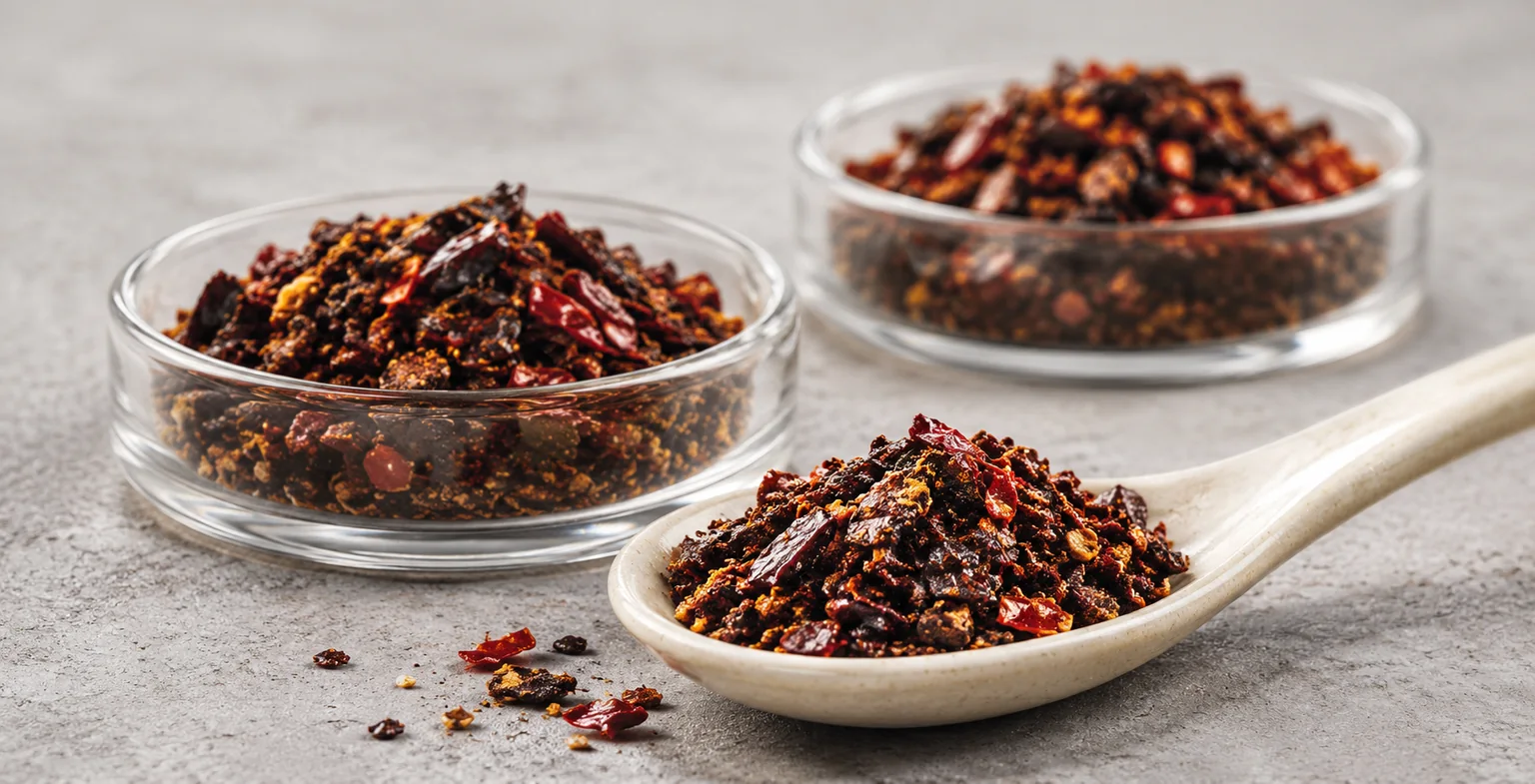
Start the Dipping Trial with the Actual Served Food
A plain dry tasting can help orientation, but the purchase decision should include the food you serve. Keep the food preparation and starting seasoning amount consistent. Record the perceived citrus-like aroma, roasted chili character, peppercorn sensation and salt balance separately.
Evaluate whether the texture suits the serving method as well. If the team changes the seasoning amount, retain that revised trial with the accepted sample. We do not provide a universal dose or claim that the profile will suit every food.
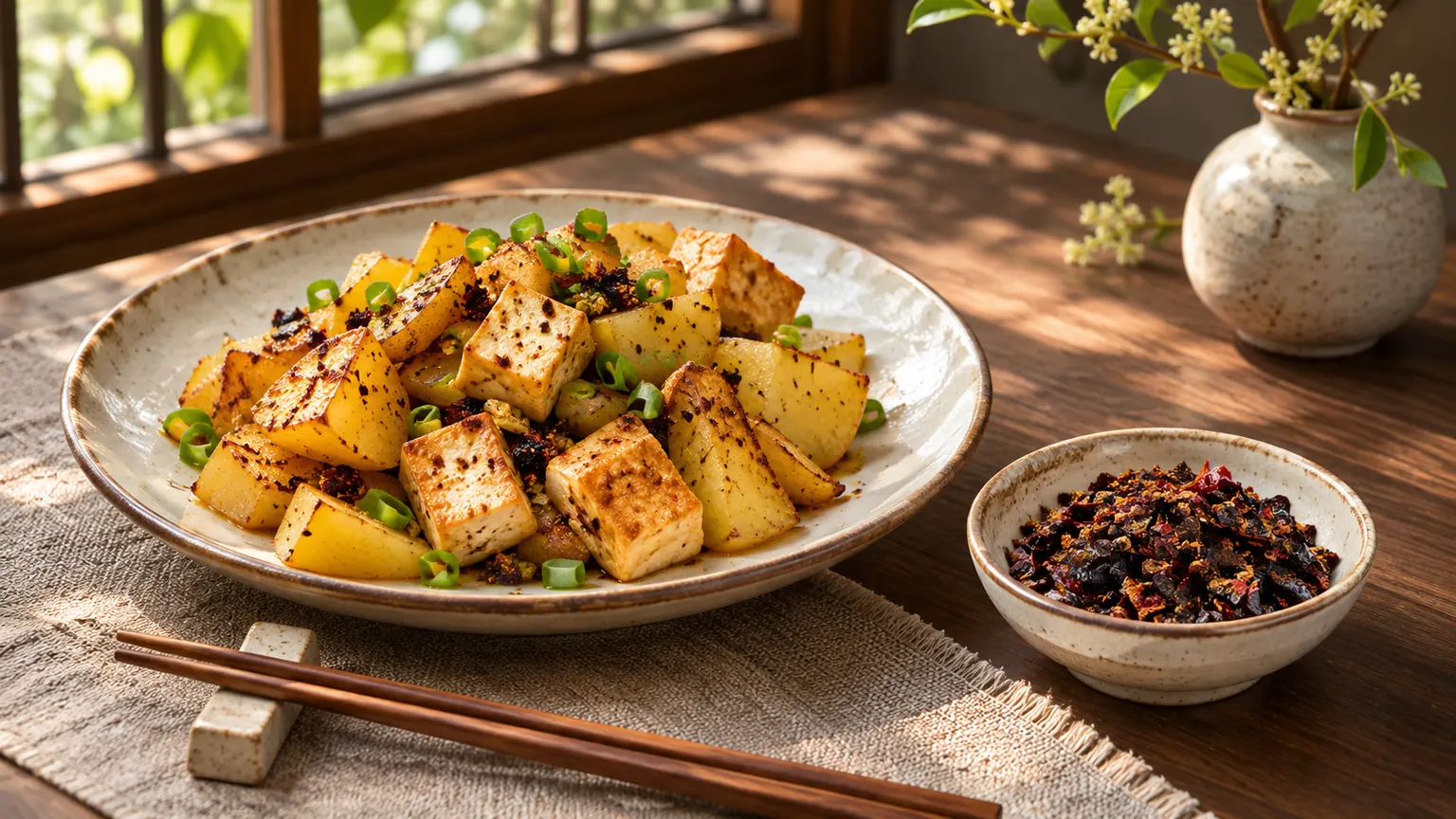
Evaluate the Cooking Route on Its Own Terms
For a cooked preparation, describe the addition stage, recipe and actual process. Use those conditions in the initial trial and evaluate at the normal eating stage. The result of a dry dip does not establish the same aromatic balance after cooking or holding.
Keep your observation focused on the complete food. A preference for a stronger citrus-like note could also involve a changed balance of chili, salt or savoury components, so record those dimensions rather than adjusting the powder amount without a written result.
Approve the Whole Flavour Balance
Set the aspects that must match your reference and the differences you can accept. A familiar regional-style name supplies culinary context, while the actual selected seasoning defines the product being purchased. We do not use that name to establish where the blend was produced.
Retain the accepted food record, powder identity and any agreed physical or quality requirements together. This gives your purchasing team a concrete basis for comparing a later sample without relying on an unqualified lemon-aroma description.
| Dimension | Buyer reference | Keep with acceptance |
|---|---|---|
| Aroma | Desired Litsea-led character | Food result and sample identity |
| Seasoning balance | Chili, peppercorn, salt and savoury notes | Accepted amount and recipe |
| Texture | Desired particles in the served food | Agreed physical specification |
| Composition | Ingredient restrictions | Selected full declaration |
Confirm the Bag and Handling Requirement
The reference lists 200 g × 20 bags, dry-place storage and a twelve-month shelf life. Use these as product-specific starting points for the packing discussion. Confirm the actual presentation, applicable dates and handling instructions for your order.
If your operation needs a different foodservice or brand format, describe it alongside the approved formula and quantity. A plain sample pouch illustrates a presentation discussion; the quotation is where the chosen pack and commercial conditions are agreed.
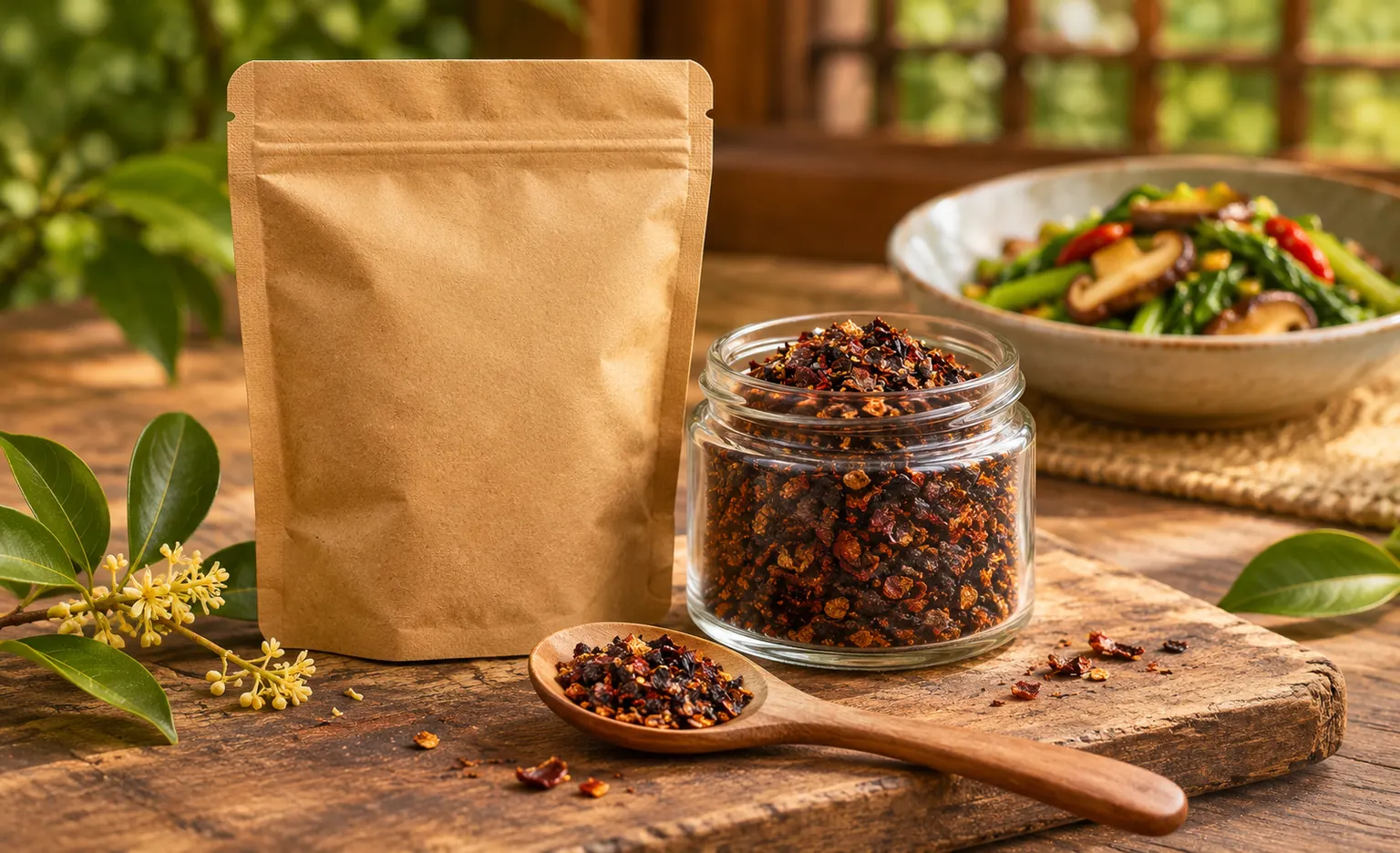
Send the Aroma Reference and the Complete Food Brief
Send us your intended food, dipping or cooking route, reference flavour and desired aromatic balance. Include ingredient restrictions, particle preference, sample quantity, destination and packing requirement. State any need for sourness separately from the citrus-like aroma.
We can discuss this specific Litsea cubeba blend against that brief and the records your team needs. Approve the complete selected seasoning in the intended preparation before using it as your purchasing standard.
Request a Litsea Blend Discussion