
Chili Powder for Your Cold-Mixed Wet Marinade
For a meat processor selecting chili powder for a cold-mixed wet marinade, we can discuss a 100% Cayenne pepper powder, a red chili ingredient and a separate 100-mesh raw AD Cayenne candidate. Choose the material through a trial under your actual mixing and later processing conditions.
These are chili ingredients, rather than complete prepared meat marinades. We can use your powder identity, heat, particle and process requirements to discuss samples. Cold mixing describes one production stage; the later handling, cooking and ingredient-approval requirements still need to be stated in the brief.
Discuss Chili for Your Wet Marinade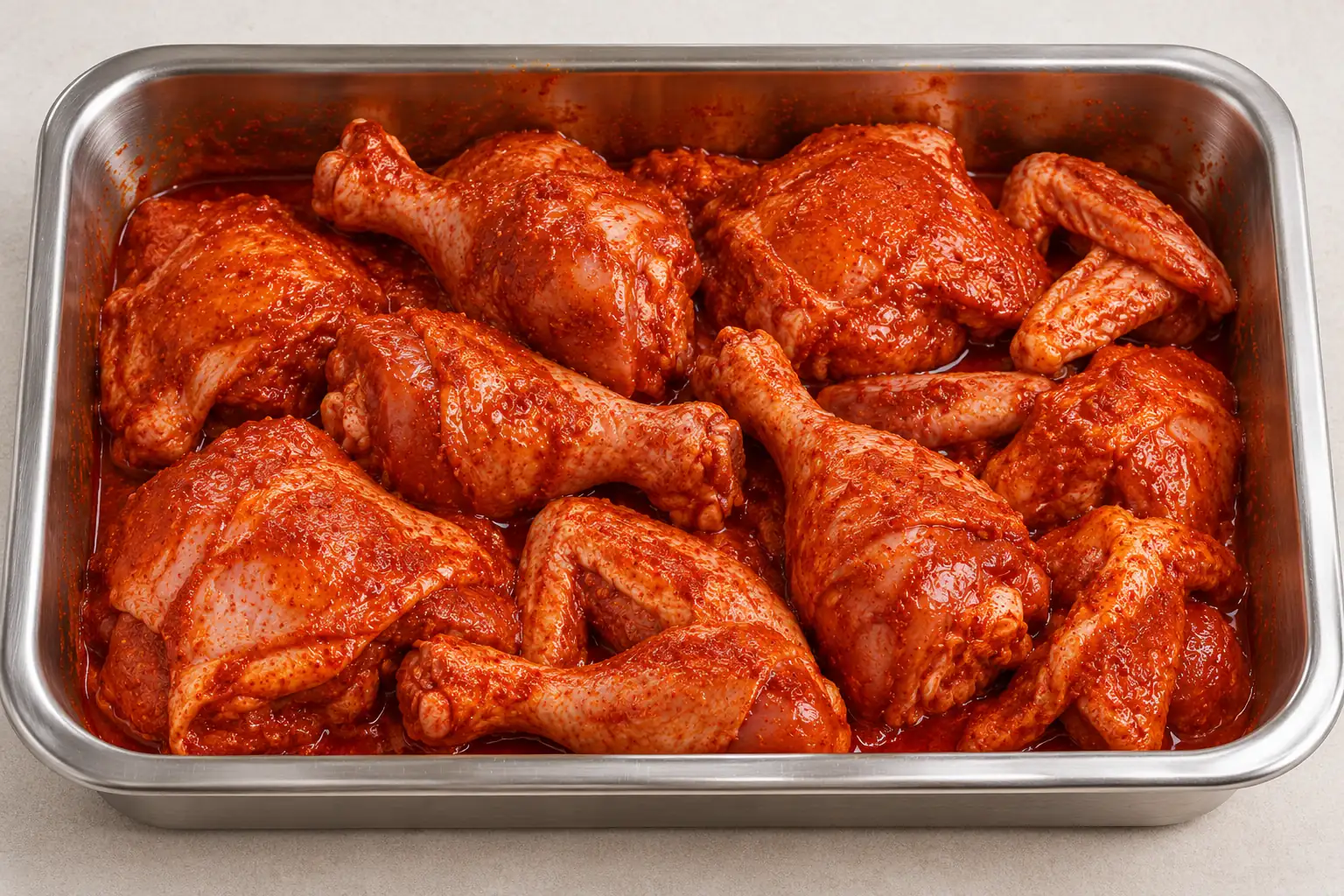
Describe the Marinade and the Point of Addition
Identify the meat format, marinade base and the place where chili powder enters your process. Include the actual mixing sequence, equipment conditions and holding stage used by your operation. State whether your first evaluation concerns the liquid marinade, coated meat or the later finished food.
Keep the current ingredient and recipe version as the baseline. If you are replacing a powder, record the reason for the change, such as visible particles, colour or heat. This makes the sample request specific to the production job instead of a general request for a marinade spice.
Compare the Chili Materials as Separate Specifications
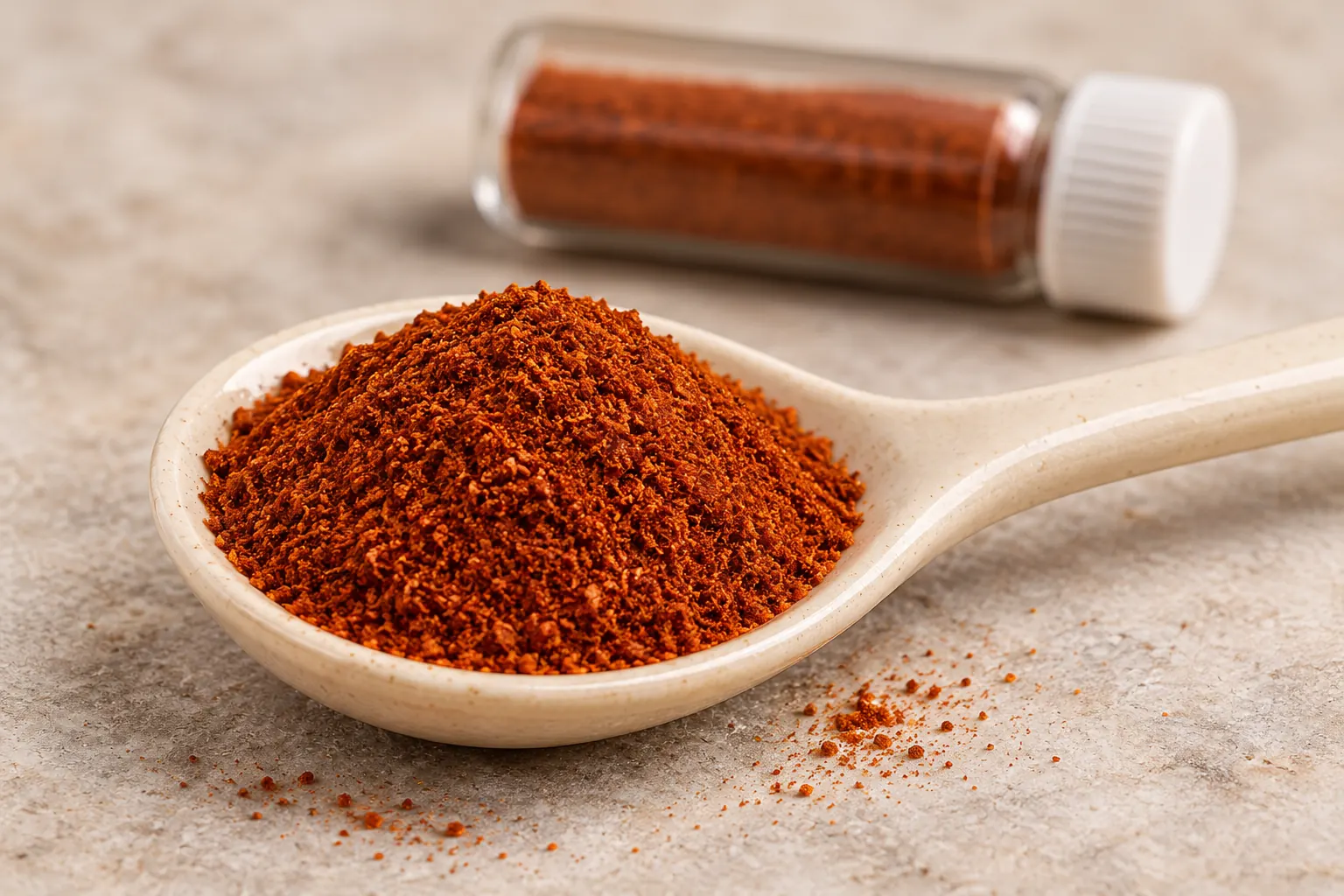
The Cayenne reference declares 100% Cayenne Pepper and moisture at 8% maximum, with powder form. The red chili reference names Red Chilli as its ingredient and provides a starting identity when your formula does not require Cayenne specifically.
The 100-mesh candidate identifies Cayenne Pepper, AD drying and raw processing. Request the complete composition and chosen heat for that material. Its particle entry belongs to that candidate; do not assign it to the other powders or assume all three provide the same marinade result.
100% Cayenne Pepper Powder · Red Chili Powder Ingredient · 100-Mesh Raw AD Cayenne Powder
| Candidate | Declared starting point | Define for the trial |
|---|---|---|
| 100% Cayenne powder | Cayenne identity; moisture 8% max | Heat, particles and selected drying requirement |
| Red chili powder | Red Chilli ingredient | Heat, colour and particles |
| 100-mesh AD Cayenne | Cayenne variety; AD; raw; 100 mesh | Complete composition and selected heat |
Set the Ingredient and Particle Requirements Before Mixing
If a customer specification requires Cayenne, preserve that identity throughout the comparison. If a complete chili-only declaration is required, request it for the selected material. Keep any restriction on other ingredients with the sample and recipe record.
Describe the particles you can accept in the liquid marinade and on the meat surface. A nominal mesh entry can help screen a candidate, while your actual appearance and physical acceptance conditions need to be defined for the selected sample. Dry powder texture alone does not establish wet-mixing behaviour.
Run a Comparison with the Marinade Conditions Held Constant
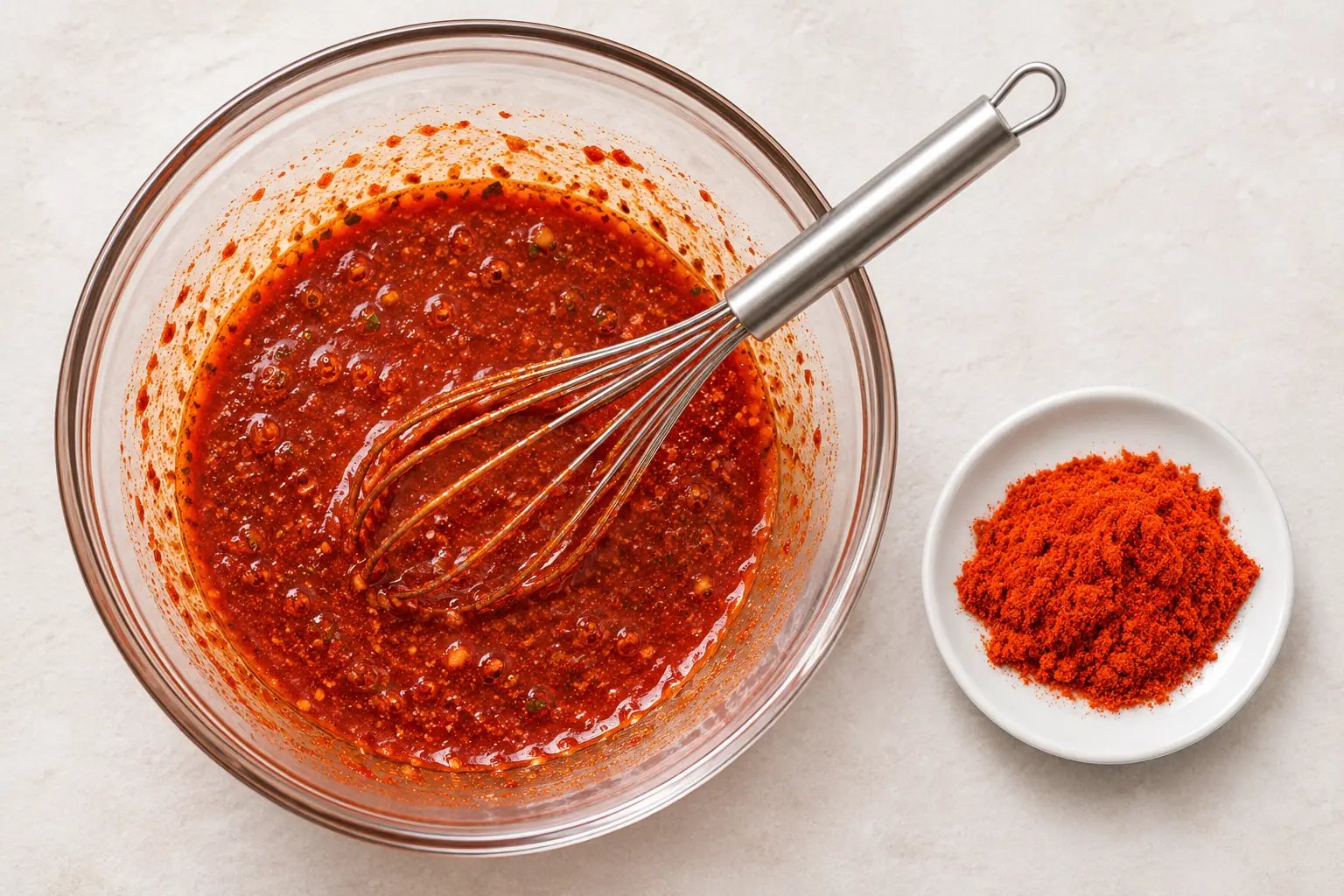
Prepare baseline and candidate marinade versions using the same base, starting powder addition and mixing conditions. Record the addition sequence and the observations your production team needs. Keep the sample identity with each version.
Observe the visible distribution, remaining particles or clumps and any settling at the stages your process uses. These are trial observations, rather than a promise that powder dissolves. If you change the mixing sequence or powder dose, retain that as a revised trial so the change can be interpreted.
Evaluate the Coated Product and the Finished Food Separately
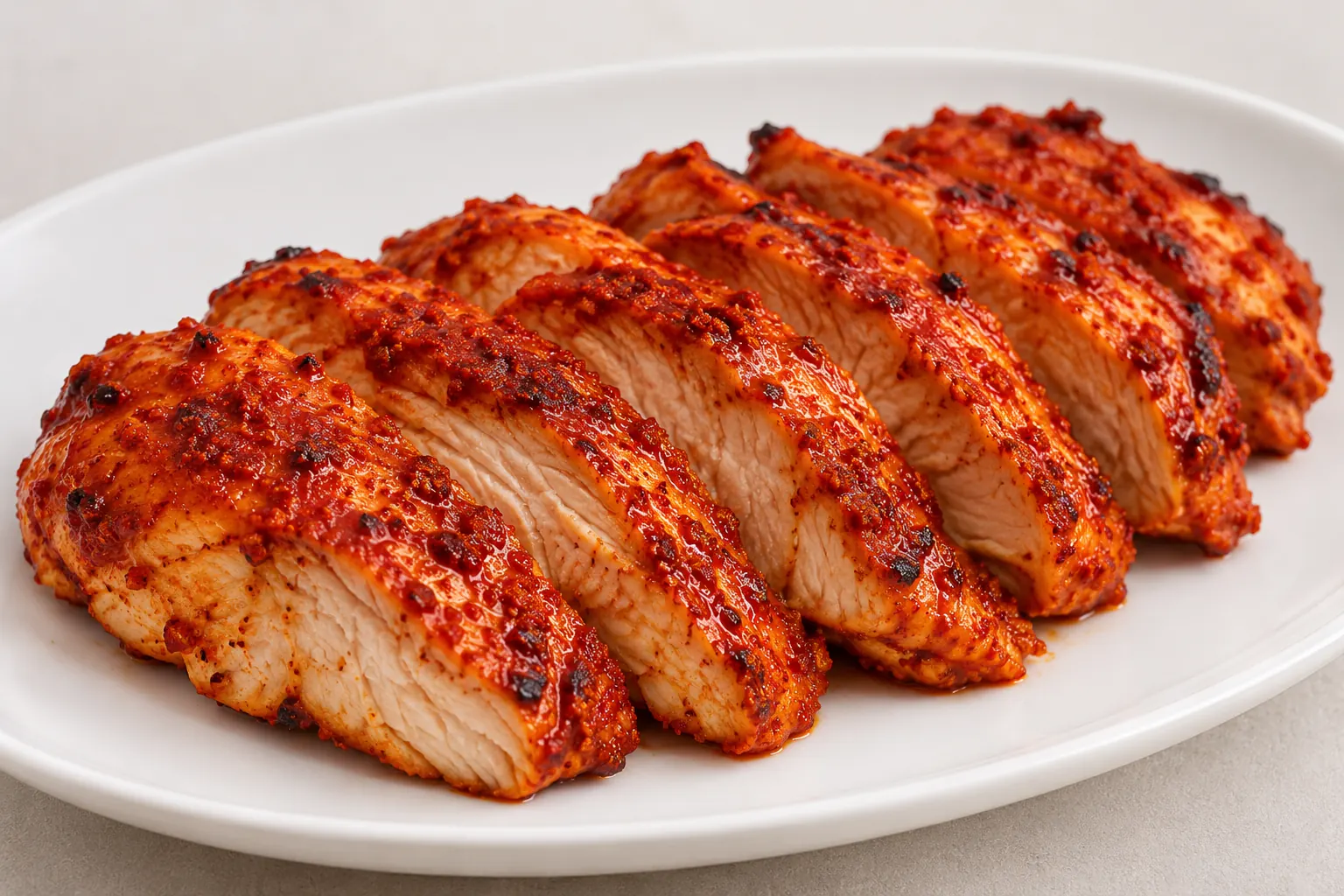
Use your established production and evaluation procedure to compare distribution on the meat and the result after the required later process. Keep the meat format, marinade application and cooking conditions consistent for the first replacement comparison.
Record finished-food heat, colour and texture at your normal evaluation point. If the colour concern appears only after heating, use the separate heated-colour guide to develop that observation. A powder that looks suitable in the marinade still needs the finished-food comparison your product requires.
Connect the Ingredient Review to the Actual Food Process
Provide your quality team’s ingredient standard and the treatment or analytical records needed for the proposed use. Review those requirements for the selected powder and sample, keeping the complete declaration with them.
Cold mixing does not by itself specify whether later heating occurs or whether a food is ready to eat. Your brief should state the later process and release requirements. The ingredient file and the application trial can then address their own approval tasks while referring to the same material.
Keep the Accepted Powder with the Production Version
Retain the material specification and accepted sample alongside the marinade recipe and process version. This helps a later order identify the powder your operation used, including the chosen heat and physical grade.
Discuss quantity, destination and packing with the selected material’s applicable storage instructions. Retain the agreed heat and physical grade with the marinade recipe so the next enquiry identifies the same ingredient and process version.
Send a Wet-Marinade Ingredient Trial Brief
Send the meat format, marinade base, current chili powder and actual cold-mixing conditions. Include the later process, evaluation point, target heat, colour and particle requirements. Add composition restrictions, required records, sample needs, quantity and packing.
We can discuss the powder candidates against that information. If you need a complete contract-blended marinade seasoning rather than a chili ingredient, use the separate blending route so the project brief covers the formulation you intend to purchase.
Send Your Marinade-Powder Brief