Replacing Compound Chili Powder with a Reference Sample
We can discuss a replacement compound chili seasoning using your current sample and a clear description of what must remain acceptable. Start with the food, existing use amount, complete ingredient requirements and the differences your team can accept. A similar red appearance is not enough to establish an equivalent seasoning.
Our commercial cooking-and-finishing seasoning reference describes sample and OEM support. Use it as a starting enquiry, then identify the actual proposed formula and evaluate it against the food result you need to preserve.
Discuss a Seasoning Replacement
Separate Must-Match Attributes from Acceptable Differences
List the properties that would stop approval if they changed: ingredient exclusions, a recognizable aroma, salt balance, heat or a particular visible texture. Then describe differences that could be accepted after a trial, such as a revised use amount within your own formulation limits.
Keep these priorities realistic and specific. We can review a replacement brief without promising that an unknown reference recipe can be copied exactly. The selected formula and accepted application result should define the proposal.
| Requirement class | Describe concretely | Approval decision |
|---|---|---|
| Must retain | Composition limits and essential food character | Reject or revise if unmet |
| Preferred match | Flavour, appearance and particles against a reference | Record actual differences |
| Permitted change | Accepted formula or use adjustment | Approve as a named revision |
Connect the Current Sample to Its Use Record
Provide the current material specification and ingredient declaration where available, together with a traceable reference sample. Record how your operation stores and uses it and the food preparation in which it has been accepted. A loose sample without context leaves important parts of the comparison undefined.
If the current recipe is unavailable, say so. Your ingredient restrictions and target-food record can still frame a discussion, while the proposed replacement must receive its own complete declaration and approval.
Compare Proposed Samples without Assuming Equivalence
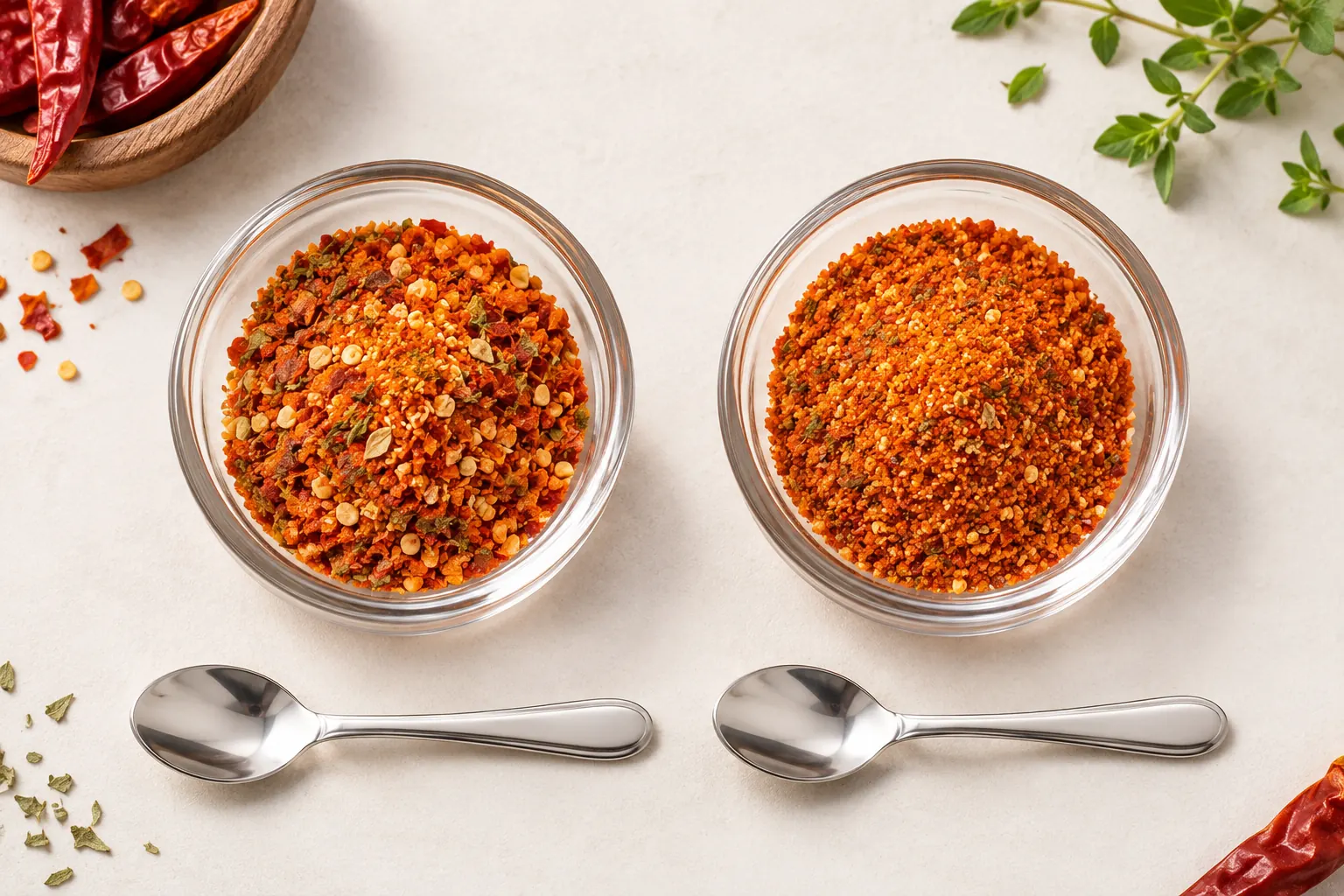
Keep the proposed samples individually identified and review their complete ingredients before food approval. Compare the relevant particle requirements, flavour direction and any measurable criteria your team needs. Photographs can support the appearance discussion, but they do not establish a formula match.
Our custom chili-lime reference describes custom label and blend support. That can frame a development discussion when a stock proposal needs changes, while the actual scope and feasibility must be agreed against your replacement brief.
Keep the First Food Comparison Controlled
Use the same food base, preparation and initial seasoning amount when comparing the current and proposed blends. Record the point of addition and relevant holding or serving conditions. Evaluate heat, salt, aroma, texture and appearance at the normal eating stage.
If the candidate needs a different amount, run a clearly identified second trial. Accepting that result can be a practical purchasing decision, but it should not be described as an equal-dose replacement when the approved usage has changed.
Give Distinctive Aromas Their Own Acceptance Target
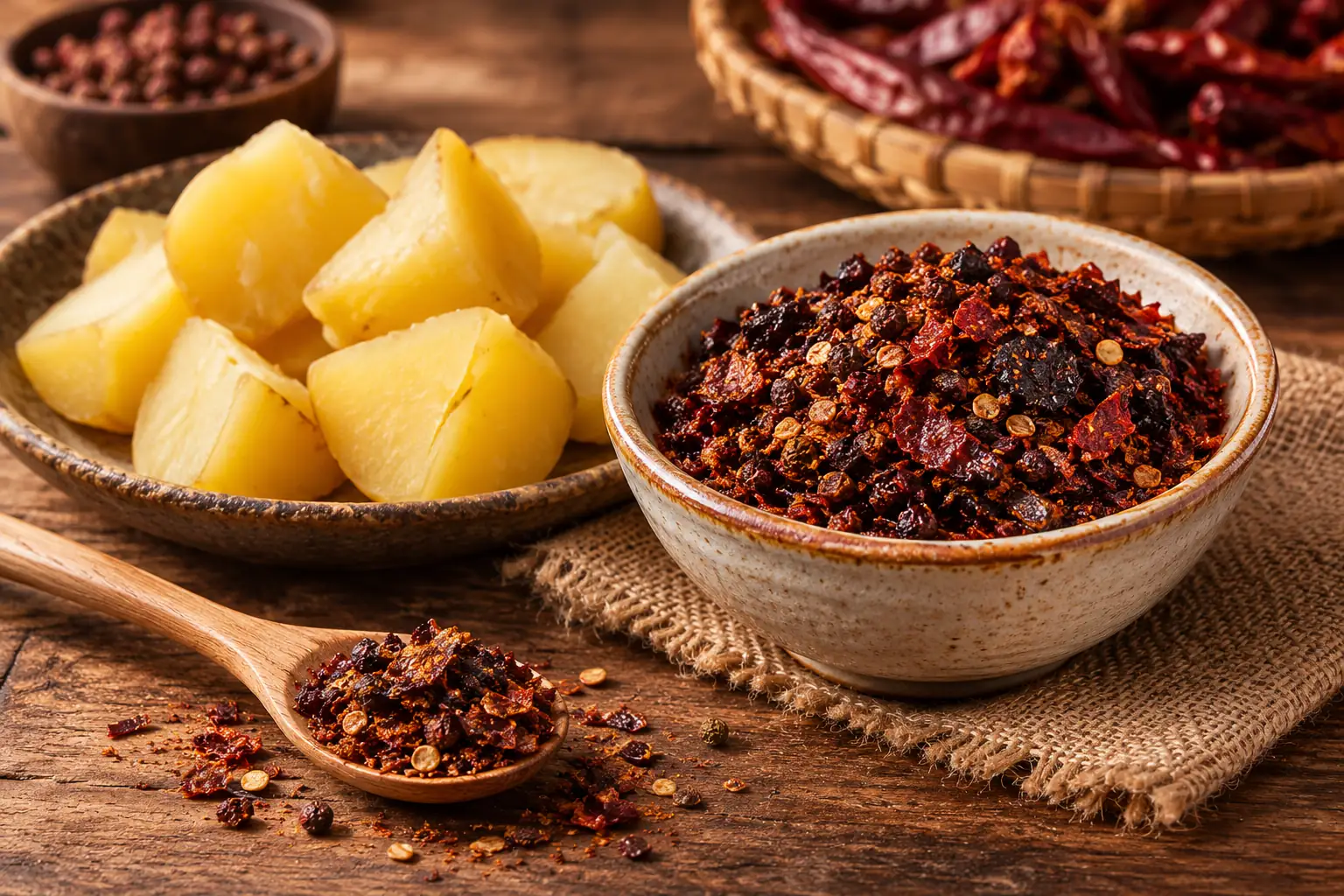
Some compound blends have a defining aromatic ingredient. Our Litsea cubeba roasted chili reference, for example, names dried chili, salt, Sichuan peppercorn, MSG, chicken essence and Litsea cubeba. Its specific citrus-like aromatic direction cannot be represented by chili heat alone.
If your current seasoning has a recognizable note, describe it against the reference food and retain the related composition requirements. This example illustrates the need for a complete flavour brief; it is not evidence that one stocked blend can reproduce every aromatic seasoning.
Approve the Replacement as Its Own Selected Formula
Review the complete proposed ingredients and quality records alongside the accepted food trial. Record the formula identity, sample reference, physical requirements and permitted differences. A replacement that meets your target still needs a clear material specification for receiving and repeat orders.
Where ingredient restrictions or document requirements are critical, apply them to the actual proposal. Do not infer an exclusion or treatment record from a similar product name, a red powder photograph or the fact that sample support is offered.
| Element | Keep with approval | Purpose |
|---|---|---|
| Formula | Complete selected declaration | Composition and restrictions |
| Sample | Identity and accepted food trial | Flavour and use reference |
| Material | Agreed physical and other criteria | Receiving comparison |
| Documents | Selected-material records | Required approval scope |
Connect the Accepted Sample to the New Supply Pack
Confirm the proposed bag or bottle, net weight, outer count and handling instructions for the selected replacement. Our commercial seasoning reference lists bag presentation, cool and dry storage and a twelve-month shelf life. Confirm the applicable dates and conditions in the actual offer.
Plan any initial production trial around the accepted formula and your operating needs. Keep the former reference and the approved replacement record distinct, so a later enquiry identifies the new selected product rather than an ambiguous request for the old seasoning.
Send the Current Reference and the Replacement Boundary
Send us your current seasoning sample reference, intended food, use amount and available specification. Include must-retain flavour attributes, ingredient restrictions, acceptable changes, sample quantity and required records. Add the pack, destination and expected purchase requirement.
We can discuss a candidate or a defined development scope against that brief. Carry the accepted differences, full selected formula and food-trial result into the quotation so that the replacement is a concrete purchasing decision.
Request a Replacement Sample Discussion