
Chili Powder for Finishing Foods Without Further Heating
For a finishing use with no further heating, start by specifying that use explicitly. We list a steam-treated dehydrated red chili powder candidate and a 100-mesh cayenne powder with a steam-sterilized description. They are references for a product-specific review with your quality team.
A treatment description is one part of the ingredient file. The selected powder, actual treatment information, relevant results, handling conditions and your own acceptance requirements need to be connected before approval. We can discuss these candidates against that complete brief instead of choosing a finishing ingredient from the word steam alone.
Discuss Your Finishing-Use Requirement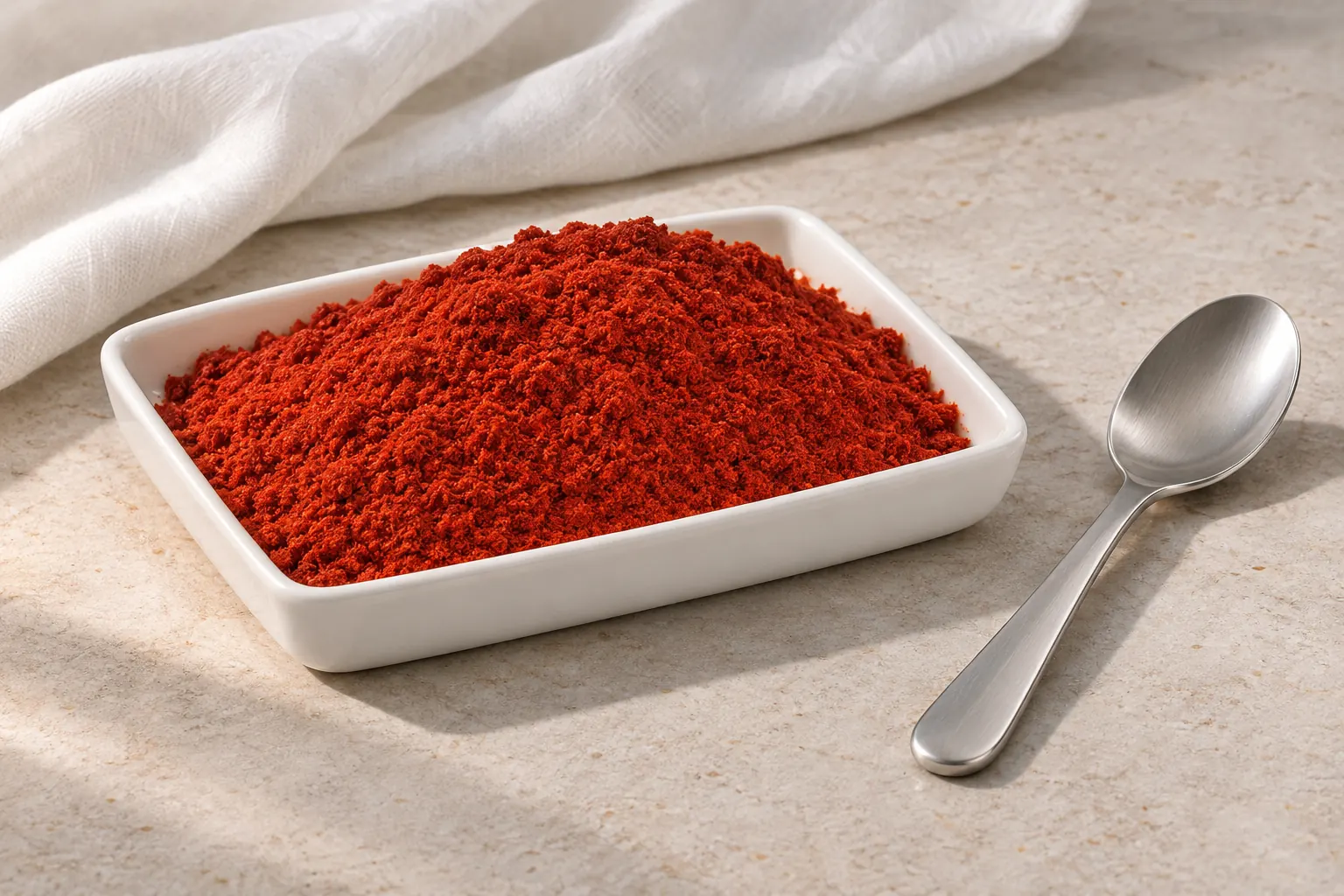
State the Addition Point and the Food Process
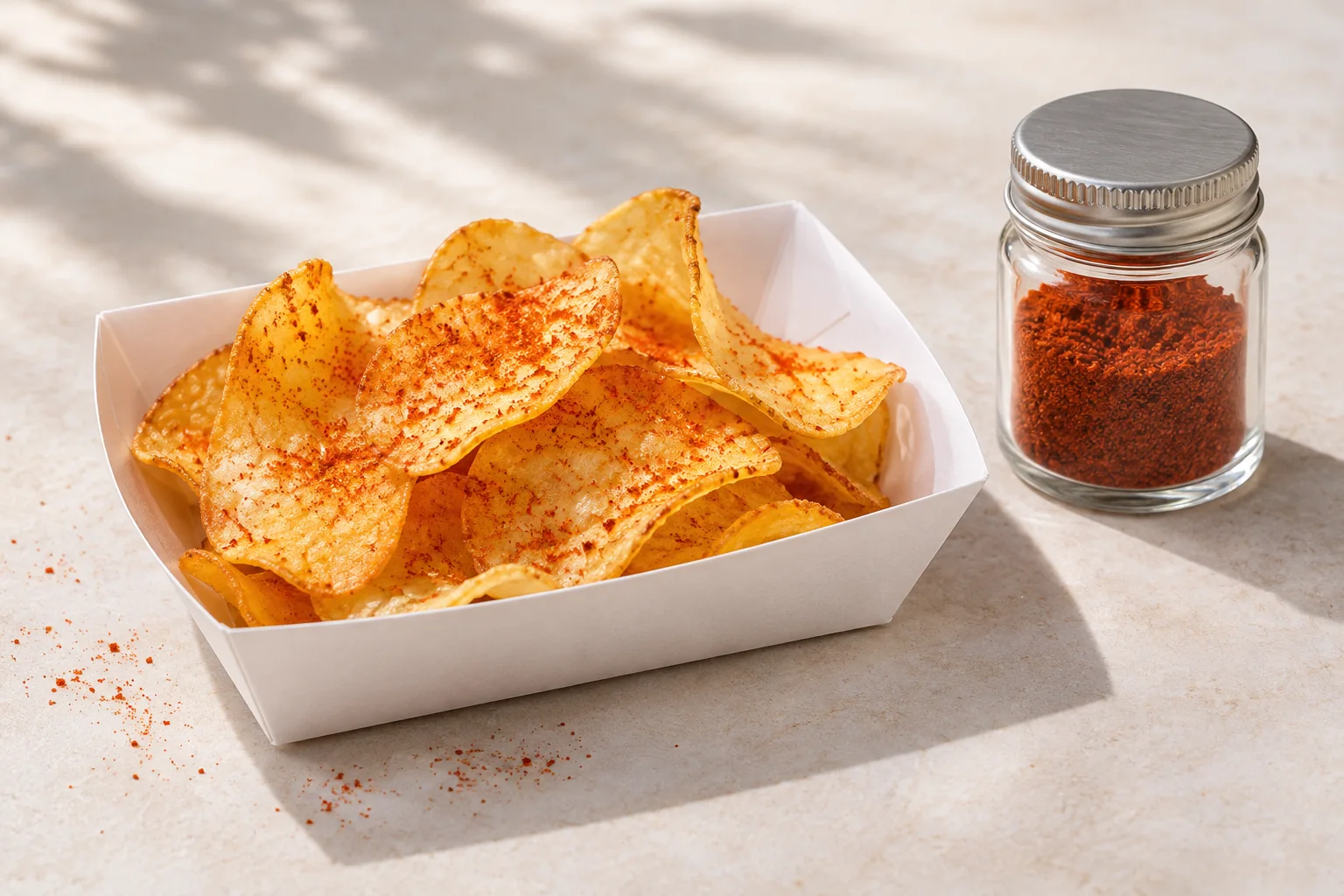
Describe the food, the point at which chili is added, and the handling that follows. Include whether the powder is blended first, applied directly or supplied to another operation. This helps identify the actual ingredient use your team must approve.
Keep this requirement distinct from a short-preparation noodle sachet or an ingredient that will receive a defined later cooking step. A shared chili name does not establish the same use conditions. Your quality team’s established material standard should accompany the application description at the start of the enquiry.
Choose the Actual Powder Before Reviewing Treatment
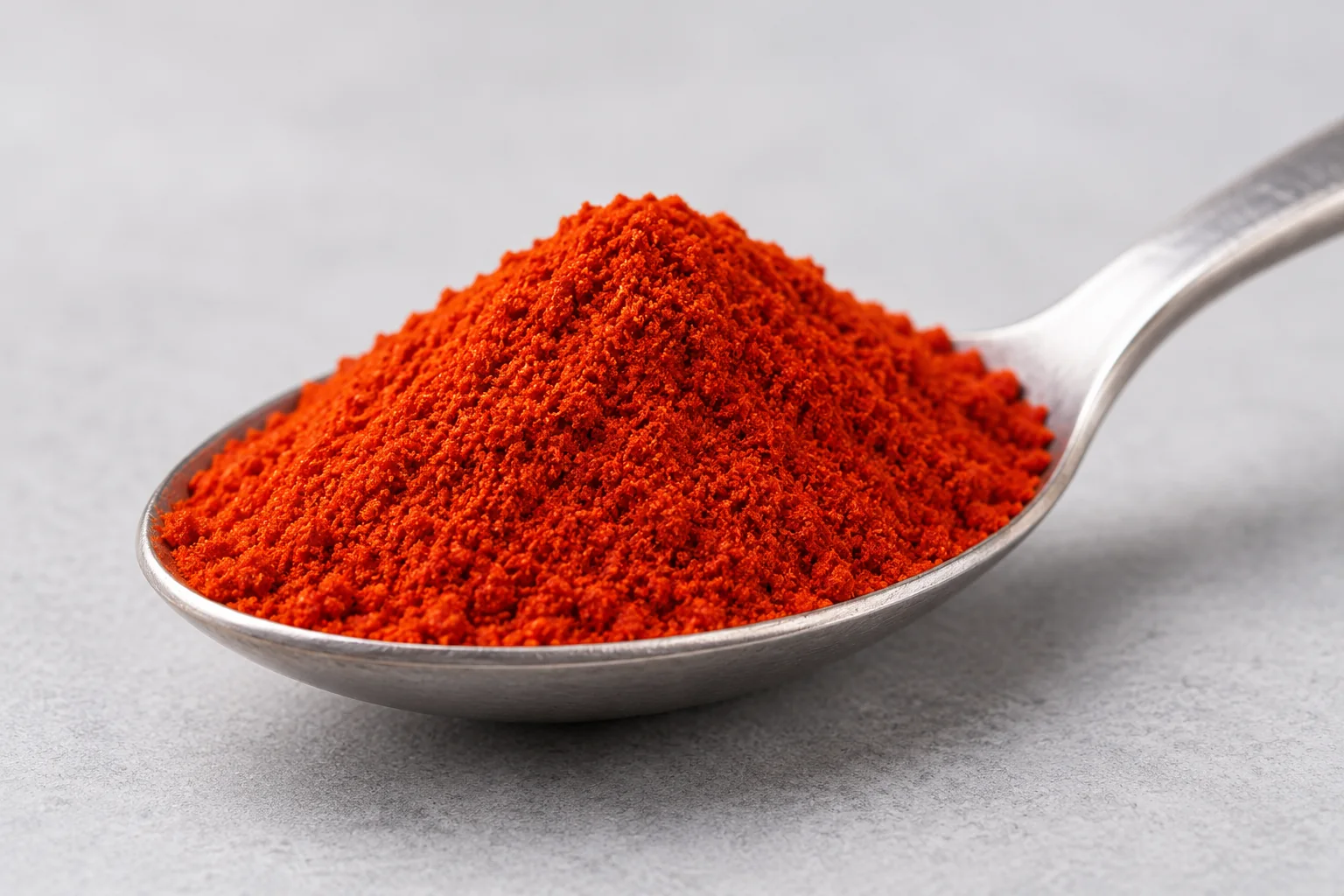
The dehydrated red chili reference includes steam-treatment wording and a powder option within 40–80 mesh, among other cut descriptions. Request the specific powder grade rather than carrying its full list of sizes into an order.
The other candidate identifies cayenne pepper, 100 mesh and a steam-sterilized description. Extra hot is a qualitative direction, so a measured heat requirement still needs to be agreed. Keep its complete ingredient declaration and selected treatment scope with that sample.
Steam-Treated Dehydrated Red Chili Powder · 100-Mesh Cayenne Powder with Steam Description
| Candidate | Catalogue starting point | Required selection |
|---|---|---|
| Steam-treated dehydrated red chili | AD powder; 40–80 mesh powder options | Actual powder grade and treatment scope |
| 100-mesh cayenne powder | 100 mesh; steam-sterilized description | Composition, heat and actual treatment records |
Keep Heat and Texture in the Finishing Brief
Finishing applications still need a defined sensory and physical specification. Provide the heat target, desired red appearance and acceptable particles for the food. A treatment requirement does not choose those attributes for you.
Use the selected powder sample to evaluate the coating or other finishing result under the actual application conditions. Keep that application evaluation alongside the quality review. A fine texture, attractive colour or successful flavour comparison does not replace the separate release requirements for the intended ingredient use.
Request Records That Match the Selected Material
Ask for the process description and the supporting information your quality team requires for the proposed powder. The request should name the product, selected grade and intended use, so a general treatment statement can be connected to the actual material under review.
Where your standard requires analytical results, identify the tests, methods, sampling basis and acceptance conditions. Review the applicable results for the selected material and lot. The cayenne listing’s heavy-metal and pesticide testing status is a prompt to request the relevant results, rather than a substitute for them.
Run the Food Trial Against Its Own Acceptance Points
Once the candidate is appropriate for the planned evaluation, compare its contribution on the same food base with a consistent application rate and procedure. Record coverage, visible particles, heat and flavour at the point your team uses for acceptance.
Keep the trial result attached to that sample reference. If the addition level or finishing procedure changes, document a revised trial.
Give Each Approval Decision a Clear Owner
Your formulation team can record the accepted flavour and physical result, while your quality team reviews the evidence required for the intended use. Keep both decisions connected to the same candidate and revision of the specification.
For a repeat order, preserve the selected grade, treatment requirement and lot-document conditions in the purchasing record. This makes the release basis clear without assuming every powder with a similar name has the same treatment history or acceptance status.
Carry Packing and Storage Into the Same Review
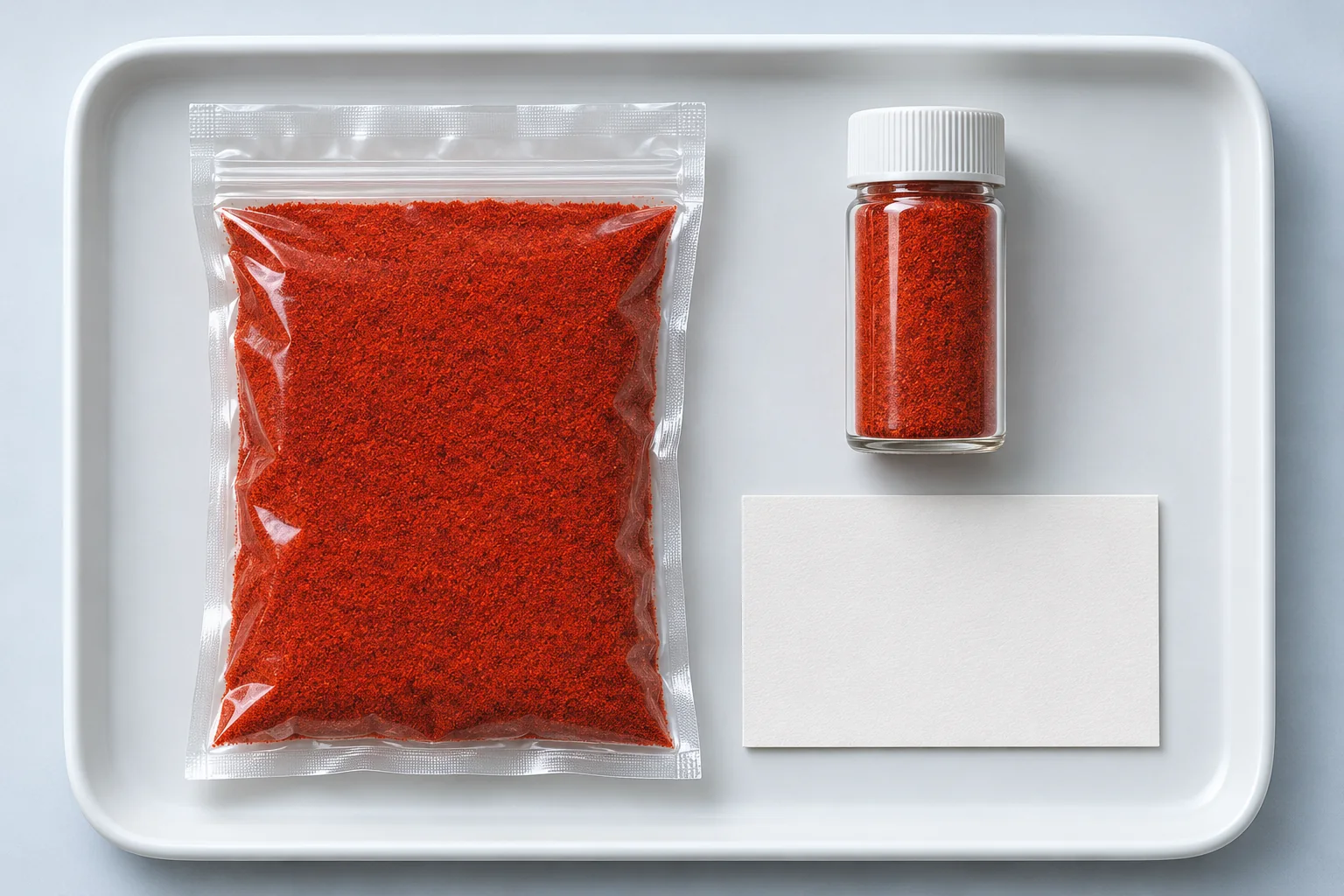
The dehydrated powder reference distinguishes 12 months at normal temperature from 24 months below 20°C. Its storage direction calls for sealed, dry, cold, waterproof and ventilated conditions. Confirm which instruction applies to the proposed pack and supply.
The 100-mesh cayenne candidate separately lists cool, dry storage and 24 months. Use its own agreed instruction. Include closure, transport and opening requirements relevant to your operation so the material you approve and the material you receive remain connected through handling.
Send a Finishing-Use Ingredient Brief
Send the food and addition point, the absence of further heating, your required ingredient standard and the documents used for approval. Include composition, heat and particle needs, sample requirements, quantity, destination and preferred packing.
We can discuss the steam-described candidates against that information and identify the selected-grade records needed for the enquiry. If Halal documentation is also required, add it as a separate scope item; it answers a different purchasing requirement from treatment and analytical evidence.
Send Your Ingredient Approval Brief