
IQF or BQF Frozen Chilies for Batch Portioning
Choose an IQF or BQF chili enquiry around the amount your operation uses in one batch and the physical frozen unit it can handle. Our catalogue includes BQF red-chili references and a whole IQF red-chili route. The actual pack, separation condition and preparation guidance decide whether a proposed supply fits your portioning task.
Start by stating whether you use an entire pack or take a smaller portion. Then confirm the supplied form with a sample. A freezing abbreviation helps identify the route, while the material and packaging you receive determine the practical result.
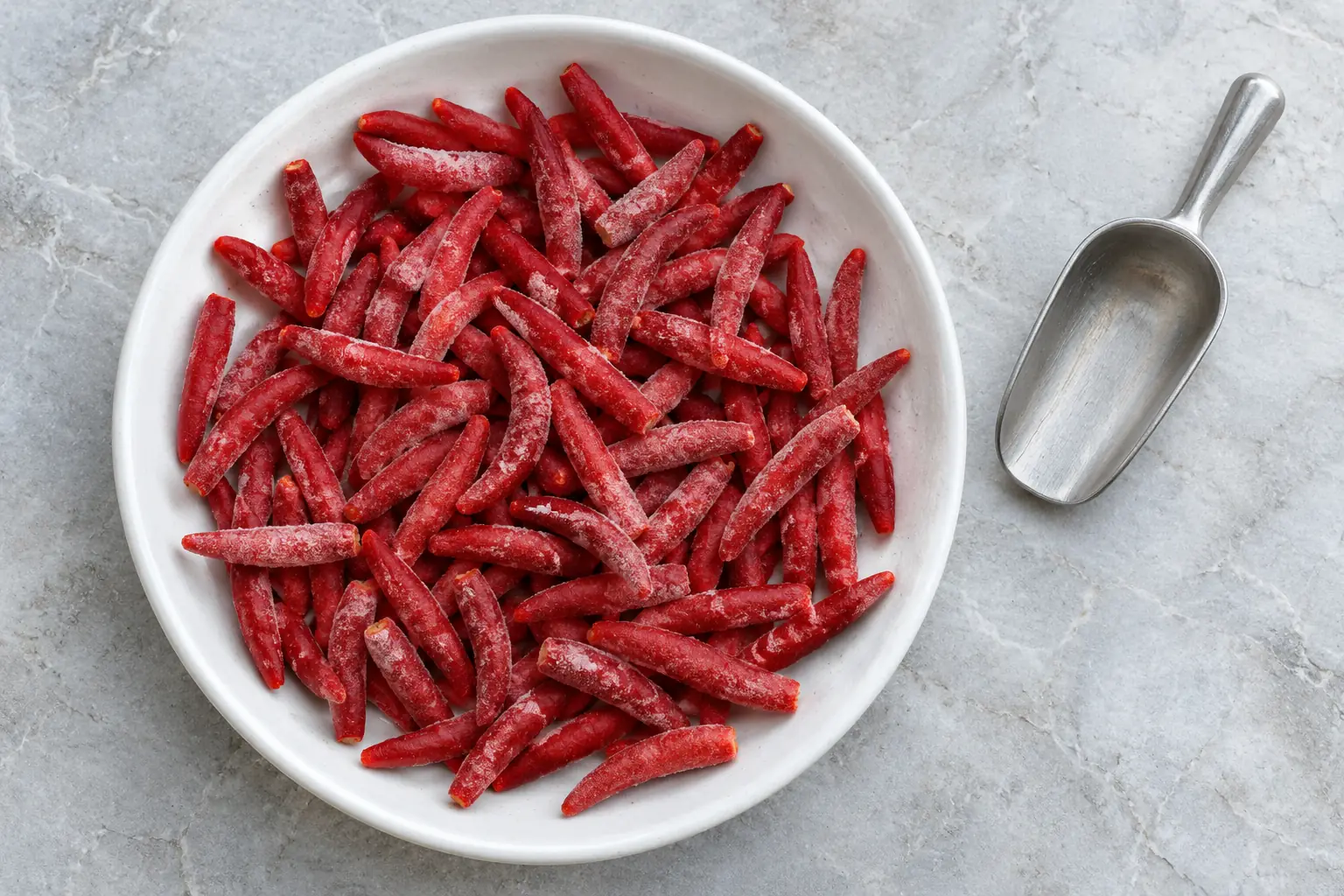
Write the Portioning Task Before the Freezing Label
Record your usual chili amount per batch, the number of batches prepared together and the pack size your staff can handle. State whether the process uses the complete unit or needs a smaller amount while the balance remains under its agreed storage conditions.
This operating brief makes the supply comparison concrete. A larger pack may suit a full-pack batch but leave a different task for a small-batch operation. Confirm the handling method with the selected product instead of assuming one net pack is equally suitable for every production schedule.
IQF Is a Route to Evaluate for Separate Pieces
FAO's freezing guidance describes IQF as individual quick freezing and discusses the handling of products prone to sticking. For your purchase, use that as background for a physical requirement, then assess the selected chili sample.
Our whole IQF reference lists 100% fresh chili, whole form and a 5–7 cm length direction, with a 10 kg carton or customer-request arrangement. Confirm the separation or clumping condition your operation accepts; the label alone is not a result for every pack.
Technical reading: FAO: Introduction to Freezing
| Field | Starting point | Assess on selected supply |
|---|---|---|
| Form | Whole red chili | Required physical condition |
| Length | 5–7 cm | Actual grading |
| Pack | 10 kg carton or request | Your batch fit |
| Separation | IQF direction | Agreed sample acceptance |
Inspect the Frozen Pieces in Their Received Condition
Assess the supplied frozen sample using an agreed observation and handling basis. Record whether it can be portioned in the way your operation intends and identify the clumping condition that would cause a problem.
Keep that requirement separate from pod length, heat and the amount of loose material. An ingredient can have the right chili identity and still need a different packing or preparation arrangement for your batch. Retain the accepted sample description with the proposed pack so your purchasing standard addresses this operating need.
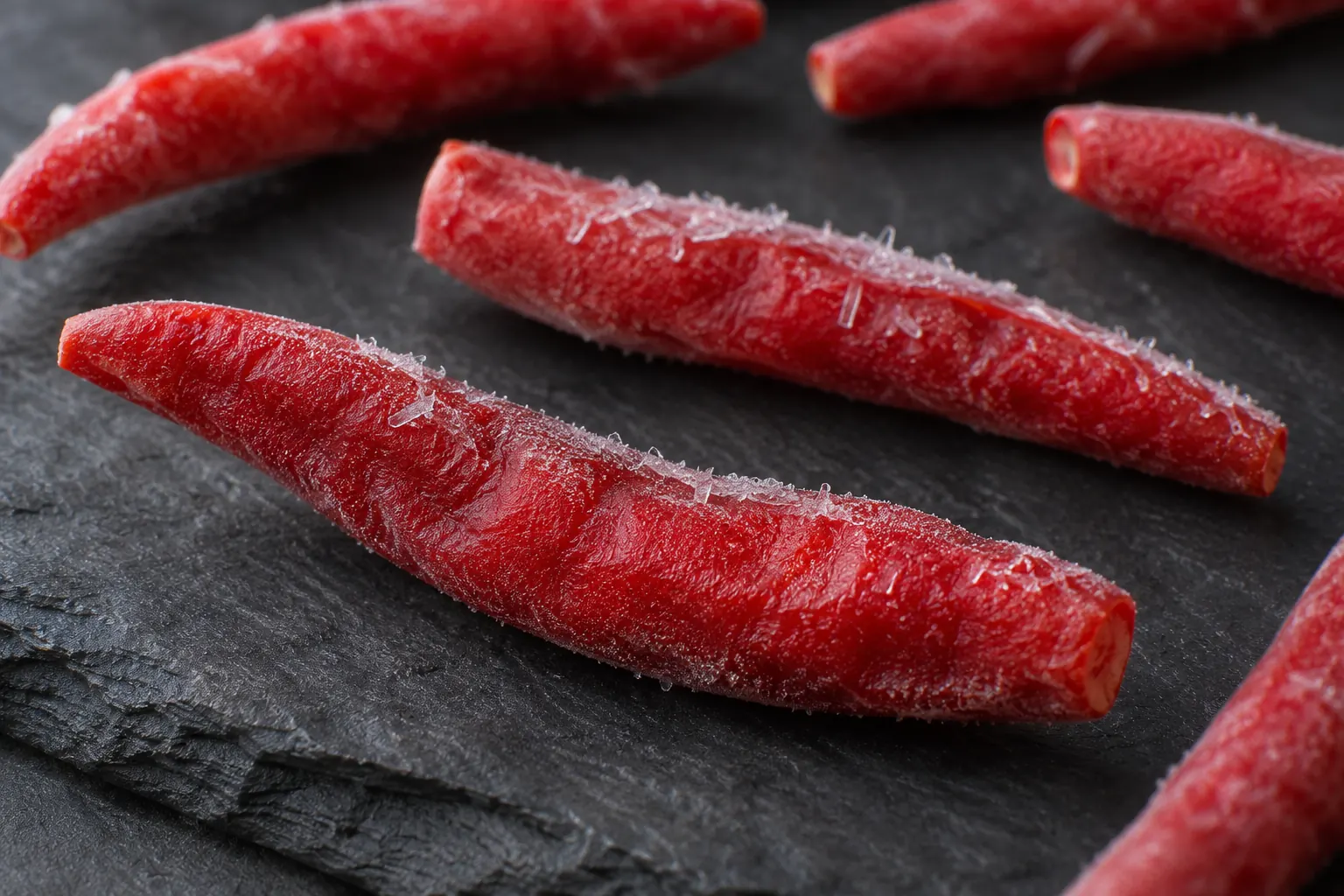
A BQF Enquiry Needs Its Actual Frozen Unit
Our BQF red-chili piece reference lists red chili and a 12-month frozen shelf period. A separate raw elongated BQF reference lists a six-month period. Confirm the actual physical unit, net pack and handling conditions for the candidate being proposed.
Use the BQF label to open a supply-form discussion rather than infer a particular block shape or price advantage. If your process intends to use a complete packed unit, state that task and assess the proposed arrangement. Keep the two product periods separate, with their own confirmed conditions.
Agree Net Pack and Inner Arrangement Together
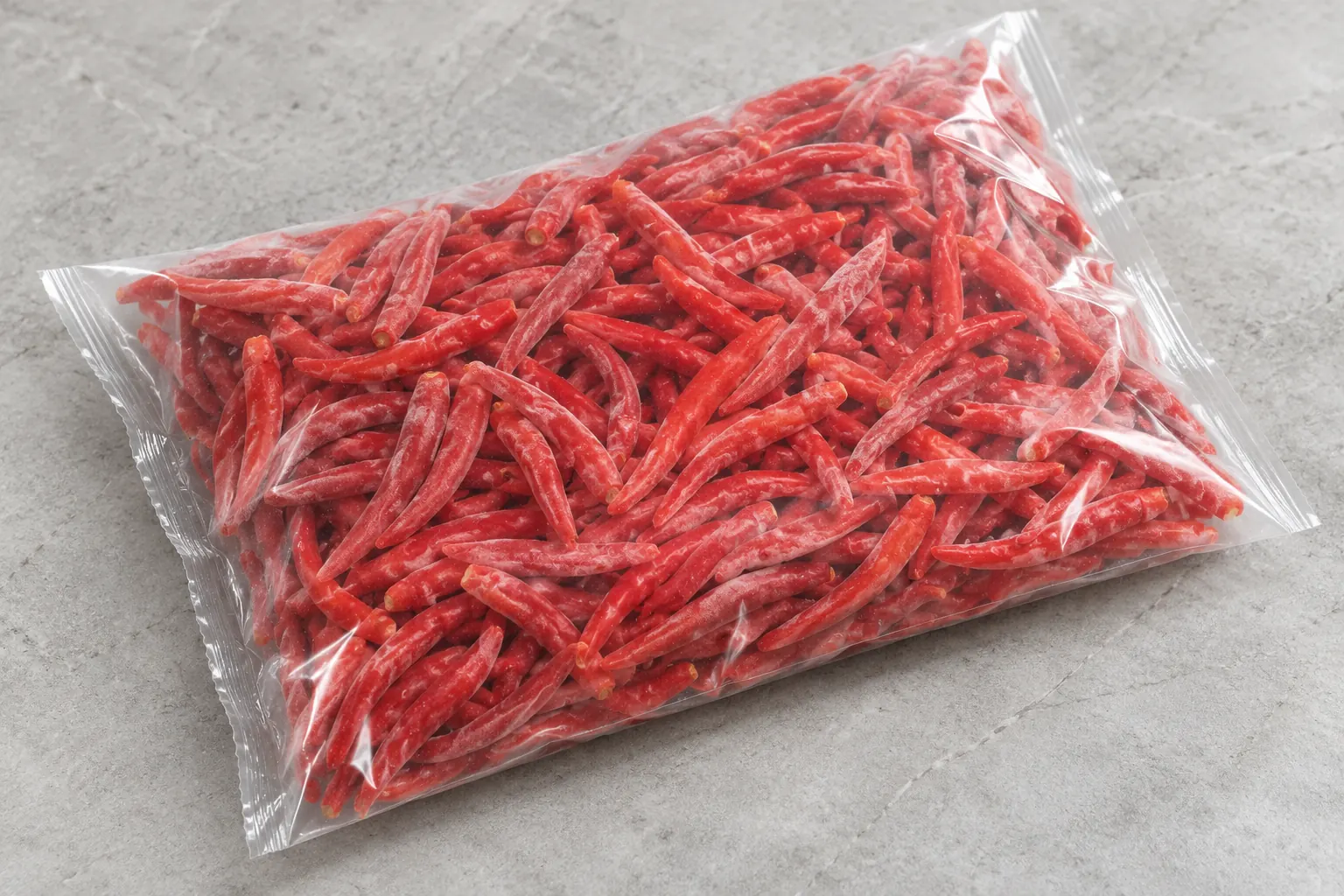
Ask for the net amount and actual inner arrangement of the proposed supply, including how it is opened and used. The outer carton alone does not explain the unit your production team will handle.
Where a smaller pack is proposed, confirm it as a commercial arrangement for the selected chili. Use concept images only to discuss options, then retain the confirmed net format with the sample. A change in pack can alter the portioning task even when the ingredient grade remains the same.
Keep Temperature and Preparation with the Chosen Product
Obtain the actual storage temperature, usable duration, dates and preparation instructions for the selected route. A period listed for one BQF product should not be carried across to another BQF or IQF supply without confirmation.
Discuss the receiving and preparation conditions your operation uses, including any treatment before the chili enters the food. Keep the product-specific guidance with the portioning plan. A freezing-process label does not by itself establish a complete thawing procedure or unrestricted ready-use suitability.
Compare the Real Operating Result
Trial each proposed supply using the batch task you described. Record the amount taken, preparation needed, remaining material and the food result. Compare any required labour and pack handling alongside the quotation.
Keep heat and texture in the food within the same evaluation. An easier portioning route is useful only if the selected ingredient also fits the recipe and the agreed handling. Do not assume that IQF is automatically healthier or that BQF is automatically cheaper; assess the actual product and commercial offer.
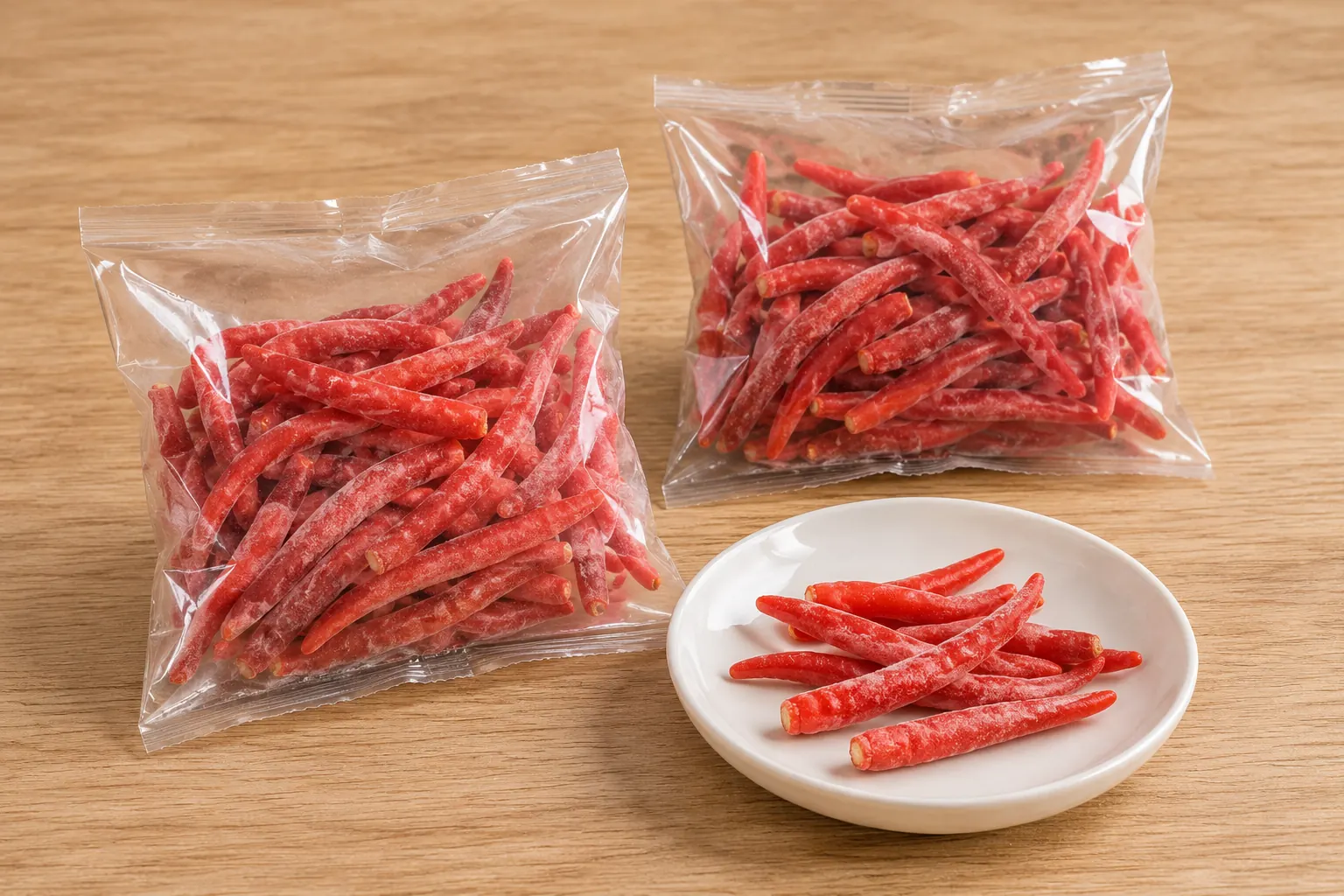
Select the Unit Your Factory Can Use Consistently
Confirm the chosen chili grade, physical form, net unit, acceptable separation condition and handling instruction. Retain the sample and batch-trial record so the supply-form decision is clear to receiving and production.
We can discuss the whole IQF or selected BQF route against your portioning task. If stem removal, cutting or purée texture is the central requirement, define that preparation separately before finalizing the frozen unit.
Discuss Frozen Chili Batch Portioning