IQF Hot Red Chili Dice with an Agreed Cut Specification
For hot red chili dice, begin with our spicy Jinta chili reference and confirm its diced option as a specific supply. The listing names fresh Jinta chilli, 100% Jinta content, frozen form and IQF, while offering diced, whole and purée choices.
Your order needs the actual dice dimensions and variation agreed before approval. The current reference does not provide a millimetre cut size for the hot chili dice, so a complete size brief and sample are central to selection. Use the ingredient's spicy direction alongside a separate heat requirement for your food.
Define Three Dimensions and the Pieces You Accept
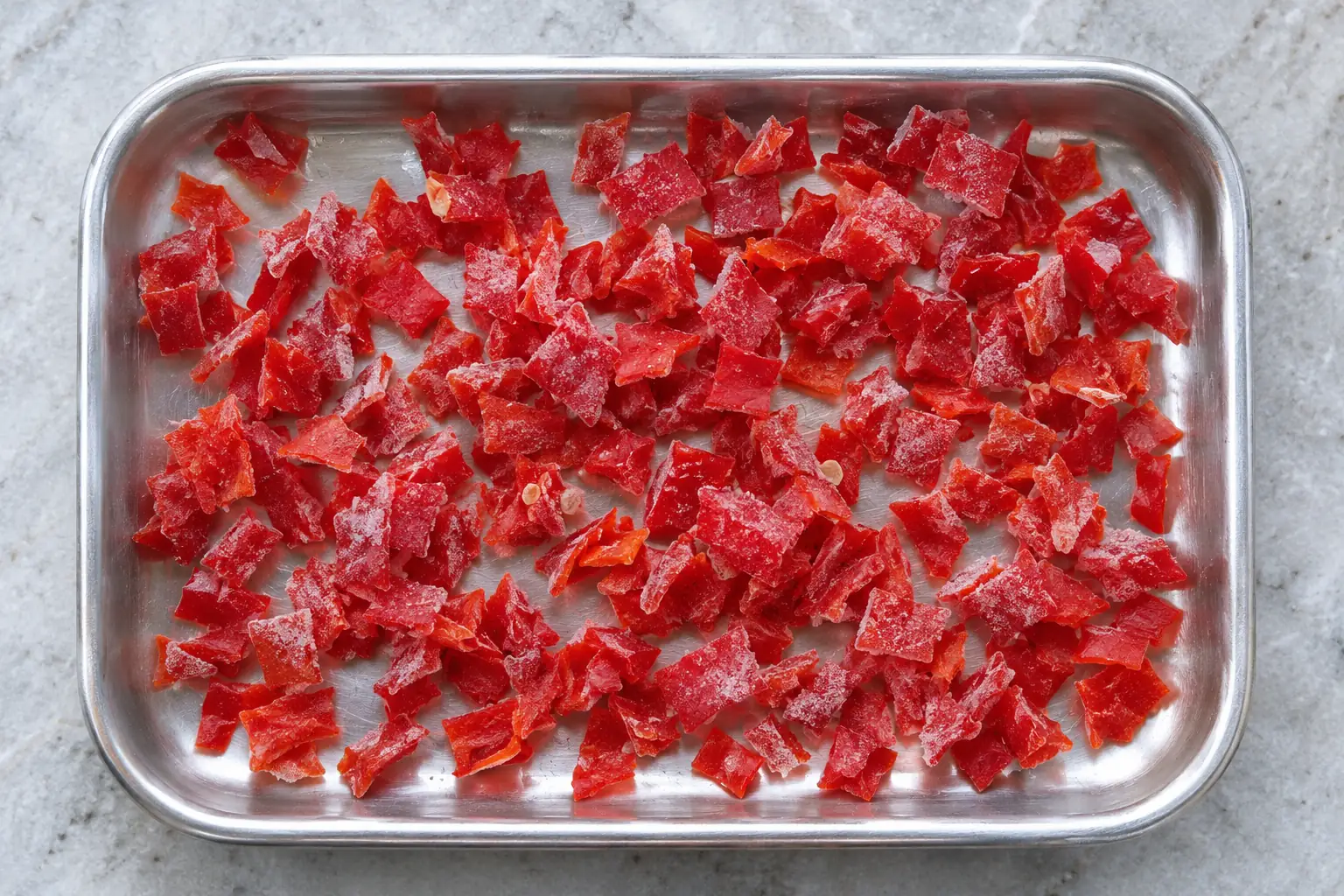
Write the target cut dimensions for the dice and the variation your operation accepts. Chili flesh has a natural thin wall, so make clear which dimensions your team is measuring and what irregularity is acceptable.
Add the conditions for fines, oversized pieces and clumps that matter to your mixing or filling process. A single nominal size leaves these issues unresolved. Agree the measurement and sample basis so the quotation describes the particle condition your factory can actually receive and use.
Select the Diced Jinta Option Explicitly
Our Jinta frozen-chili reference provides a diced discussion route alongside whole and purée options. Select diced in the enquiry and ask for the specification applicable to that cut. The material's whole-pod image or a broad cube-shape direction cannot settle the actual diced grade.
Keep the selected cut with the 100% Jinta ingredient declaration. If your project also needs a specific cultivation or certification condition, request the supporting scope for that chosen supply rather than attach every listed option to one assumed grade.
| Selection field | Starting point | Complete before approval |
|---|---|---|
| Ingredient | Jinta chilli; 100% content | Selected declaration |
| Taste | Spicy direction | Heat requirement |
| Cut | Diced option | Actual dimensions and tolerances |
| State | Frozen; IQF direction | Selected supply specification |
Keep Seeds, Skins and Fines Visible in the Physical Brief
State whether visible seed material is acceptable and how much skin or fine material affects your food. These observations are different from dice size, even when all are assessed on the same sample.
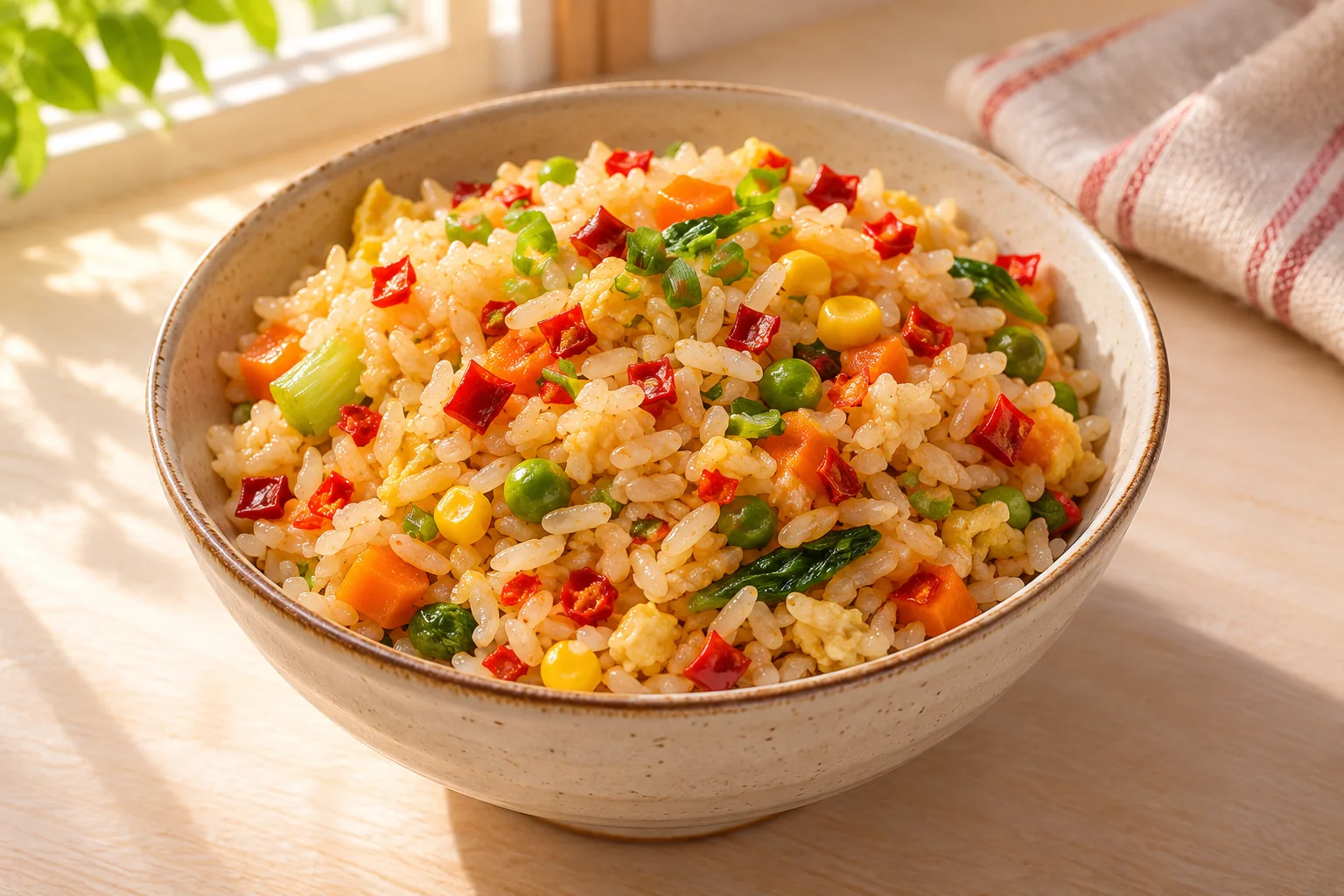
For a filling or ready-meal component, review the distribution of red pieces after mixing. A sample can meet a broad dimension target yet produce a different visible pattern if it contains a large fine fraction. Retain an accepted physical reference that records the features important to your product.
Set the Heat Contribution in the Actual Food
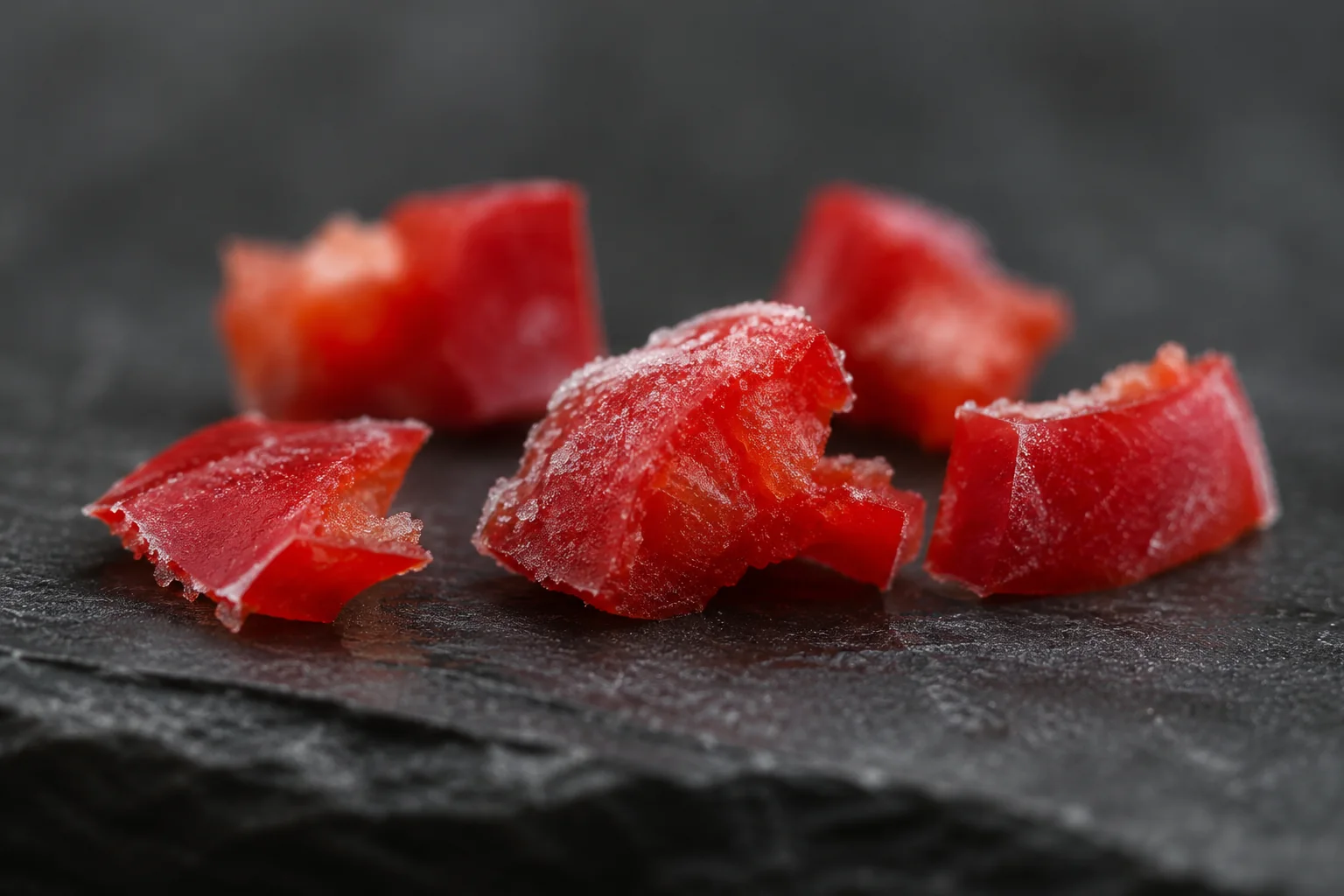
The Jinta reference describes spicy taste without assigning a numerical SHU value to the selected dice. State your heat target and agree any sample or lot evidence your project needs. Do not borrow a value from another red pepper or a general Jinta description.
Compare the dice at the planned inclusion level in your own food base. Record how the visible pieces distribute and how the whole preparation tastes. If you change the cut or dose, keep that trial separate so the final heat decision remains connected to the ingredient approved.
Portion the Sample Under Agreed Frozen Conditions
The reference specifies frozen storage below −18°C, a 24-month shelf life and no freezing again after defrosting. Confirm the relevant dates and instructions for the selected diced supply, including how it will enter your preparation.
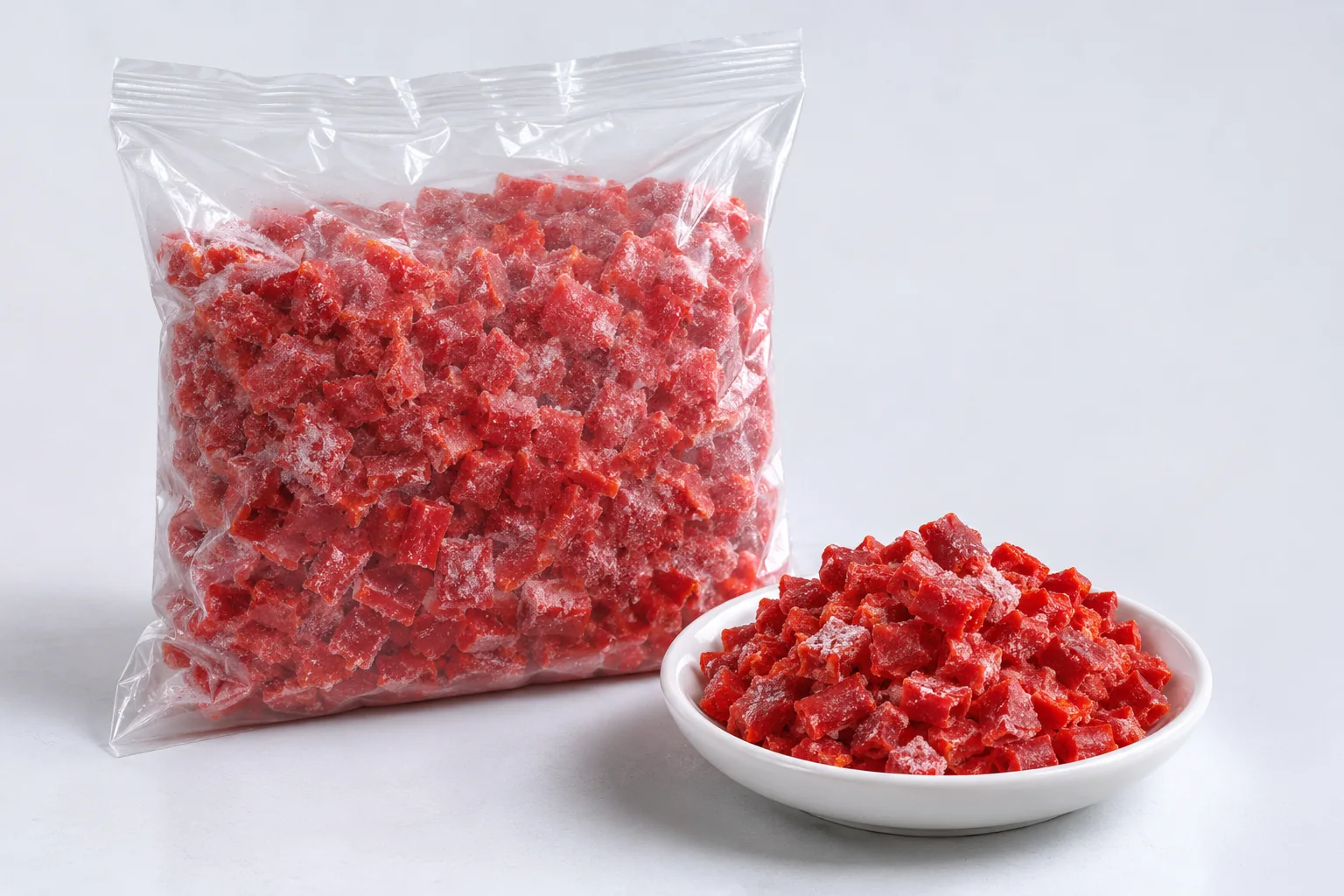
Assess how the proposed pack and frozen particle condition fit the batch amount your factory uses. An IQF description does not replace inspection of the actual sample. Agree your acceptance condition for separation or clumping without assuming every delivered pack has identical free-flowing behaviour.
Trial the Cut Through Mixing and Cooking
Use the intended mixing, filling and cooking sequence when evaluating the dice. Assess piece distribution, retained appearance, texture and heat in the completed food. Record the weight basis and any relevant preparation of the frozen ingredient.
If the food requires a different particle after cooking, revise the incoming cut requirement and obtain the corresponding sample. The goal is to select a dice that supports the process, rather than judge frozen pieces in isolation from the food they will become.
Keep a Blanched or Strip Requirement Separate
If your factory requires a blanched chili or a long strip instead of a dice, specify that as a separate material condition. A diced option does not establish blanching, and a strip has different dimensional requirements.
Use the actual food task to choose the route. A recipe needing visible elongated pieces should be assessed with a strip sample, while a diced ingredient should be approved against its own distribution and size standard. Do not transfer sizes from a sweet capsicum product into a hot-chili order.
Confirm the Diced Grade Before Commercial Approval
Keep the Jinta ingredient identity, selected frozen diced form, dimensions, variation, fine fraction, seed condition and heat requirement in one purchasing specification. Add the accepted sample reference and required pack.
We can discuss this brief against the diced route and the applicable product information. Confirm the offered grade and preparation guidance before the order so receiving and production assess the same defined chili dice.
Discuss a Hot Red Chili Dice Specification