
Compound Chili Powder with a No-Added-MSG Requirement
For a no-added-MSG chili blend project, begin by checking the selected formulation against your written requirement. Our sesame-and-peanut dipping powder and chili-and-salt rub are useful document-review candidates because their short ingredient entries do not name MSG. That omission is a starting point for confirmation, not a completed compliance finding.
If a current recipe cannot meet your specification, our custom-blend discussion route lets you define the desired flavour and restrictions together. The approved recipe and its supporting declaration should determine the final product choice.
Define the Formulation Condition in Your Own Terms
Provide the exact wording used by your brand or customer, including the ingredient name and any compound-ingredient conditions. A requirement against adding MSG should not silently expand into a claim that the food contains no naturally occurring glutamate or no other flavour-enhancing components.
Keep separate restrictions separate. If you also exclude yeast-derived ingredients, particular flavourings, sesame or peanut, list them explicitly. This allows us to assess a real recipe rather than infer your definition from a short marketing phrase.
A Sesame-and-Peanut Dip for Ingredient Review
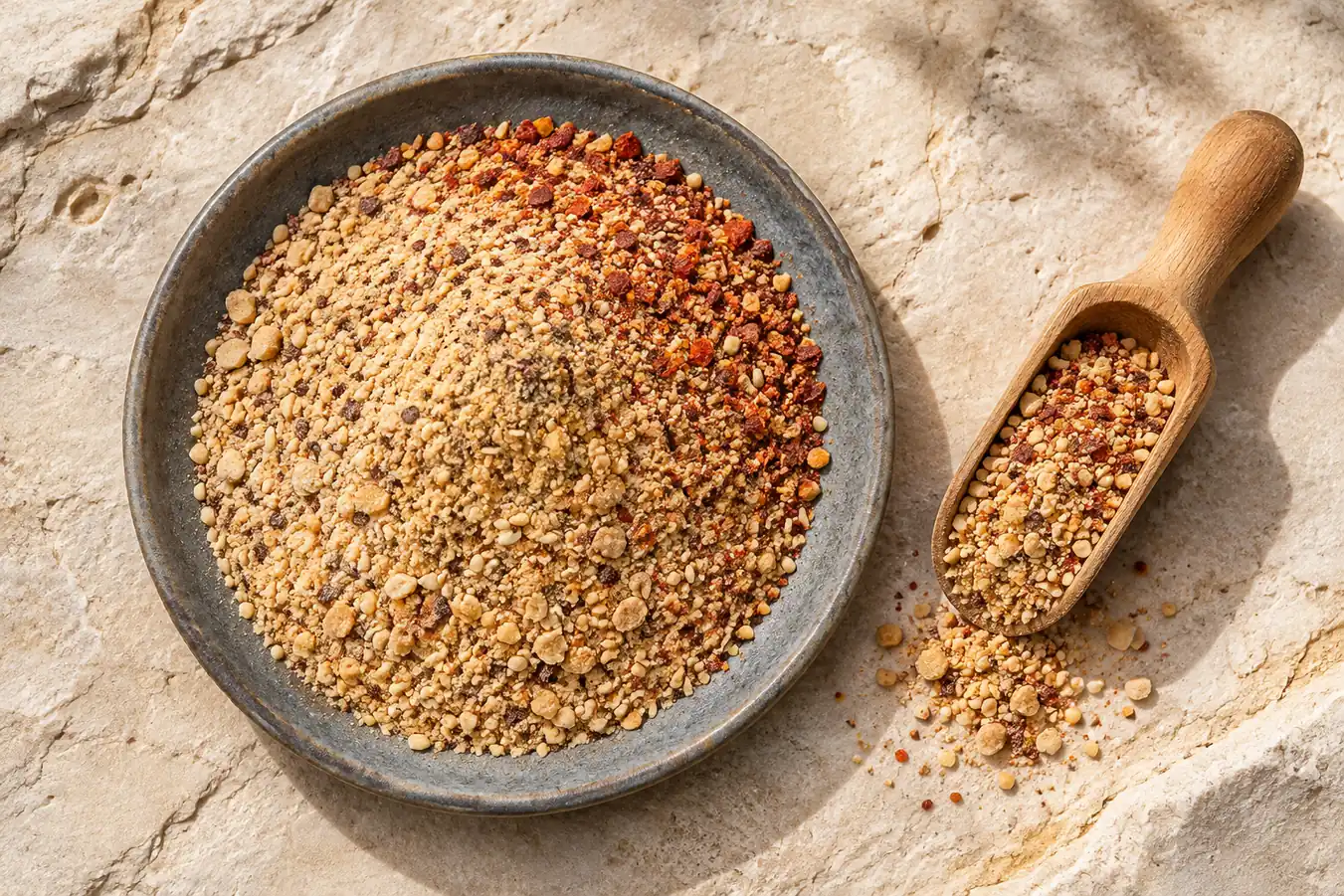
Our sesame-and-peanut dipping powder lists chili powder, sesame, peanut and salt. It is a dried blended powder for hotpot dipping and BBQ, with 2.5 kg × 8 bag packing in its description. This is the closest route when you want that aromatic dip profile.
Request the complete selected ingredient statement and confirmation covering any components within the blend. Sesame and peanut remain explicit ingredients even if the no-added-MSG requirement can be satisfied; one formulation condition does not resolve every project restriction.
| Reference | Known starting point | Confirm before approval |
|---|---|---|
| Sesame-and-peanut dip | Chili, sesame, peanut, salt | Full formulation |
| Application | Hotpot dipping / BBQ | Your serving trial |
| Packing | 2.5 kg × 8 bags listed | Selected quotation |
A Chili-and-Salt Rub with a Shorter Entry
Our chili-and-salt BBQ rub lists chilli and salt in a dried powder sold for BBQ-rub discussion. Its short entry makes it a different flavour route from the sesame-and-peanut dip. It does not establish a particular chili-to-salt ratio or complete exclusion declaration.
Ask for the full statement for the version being sampled, including any compound ingredients. For a meat-rub application, include your salt contribution target and preparation method so the formulation review and the cooking trial refer to the same seasoning.
A Custom Chili-Lime Route When the Existing Formula Differs
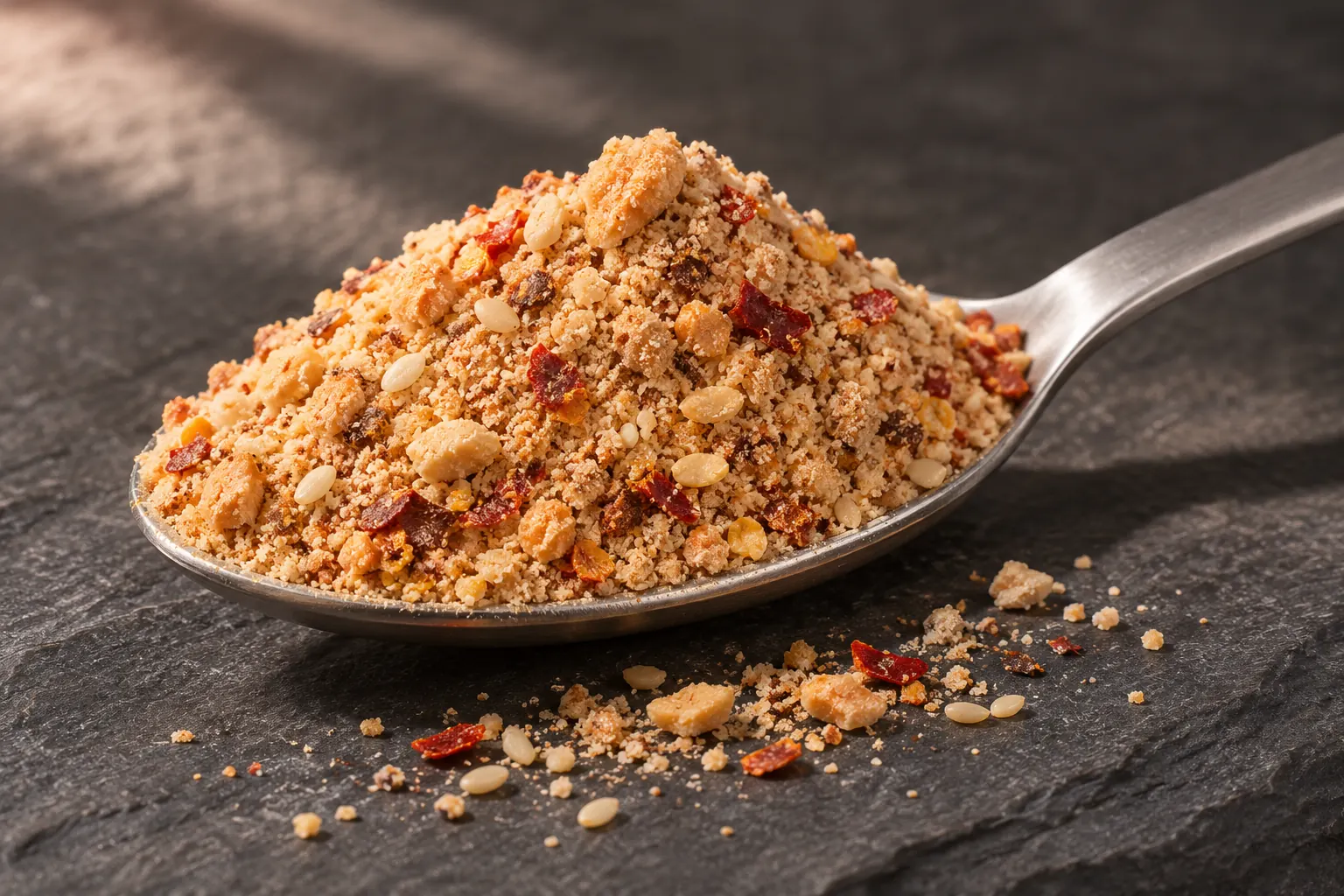
Our custom chili-lime seasoning offers custom label and blend support with a chili-lime taco-seasoning direction. Its listed components include salt, red chili powder, flakes and garlic, while the full recipe is not given. Use it to discuss a formulation task rather than assume the current version already meets your rule.
Specify whether you need a dip, rub or sprinkle. Changing from one use to another can change the required flavour balance and particle texture, so choose the application before developing an acceptable recipe.
Review Components Within Compound Ingredients
A complete review follows the ingredients into any flavouring or seasoning component used in the selected formula. Request the relevant supplier declaration and identify the recipe version it covers. A short catalogue entry alone may not provide that depth.
Agree what evidence your approval team accepts and how a formulation change will be reported. This is more useful than searching for a particular word on a product photo, because the purchase needs to follow the confirmed composition throughout sampling and repeat orders.
| Record | Purpose |
|---|---|
| Full ingredient statement | Identify all declared components |
| Compound-component details | Review ingredients within ingredients |
| Version confirmation | Connect evidence to the sample |
Trial Flavour After the Ingredient Decision
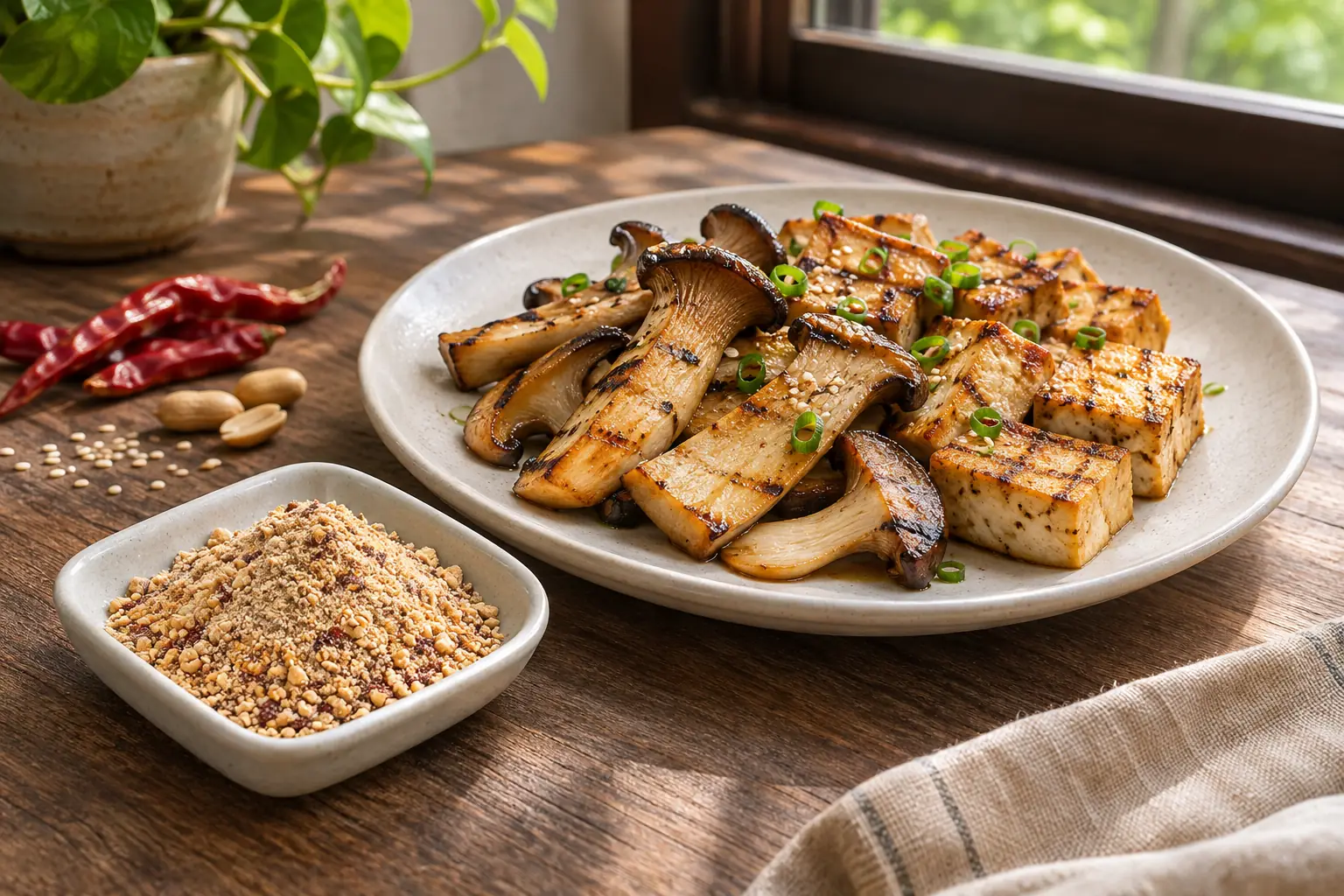
Once the composition is acceptable, compare the seasoning in the intended food. For a dip, evaluate it with the cooked item being served. For a rub, use your actual meat preparation. For a sprinkle, check distribution on the finished snack or meal.
Keep food base, dose and preparation consistent in the first comparison. If a formula adjustment is needed, record the new version and review its declaration again. A composition change should not be treated as automatically flavour-equivalent.
Packing Does Not Establish the Ingredient Claim
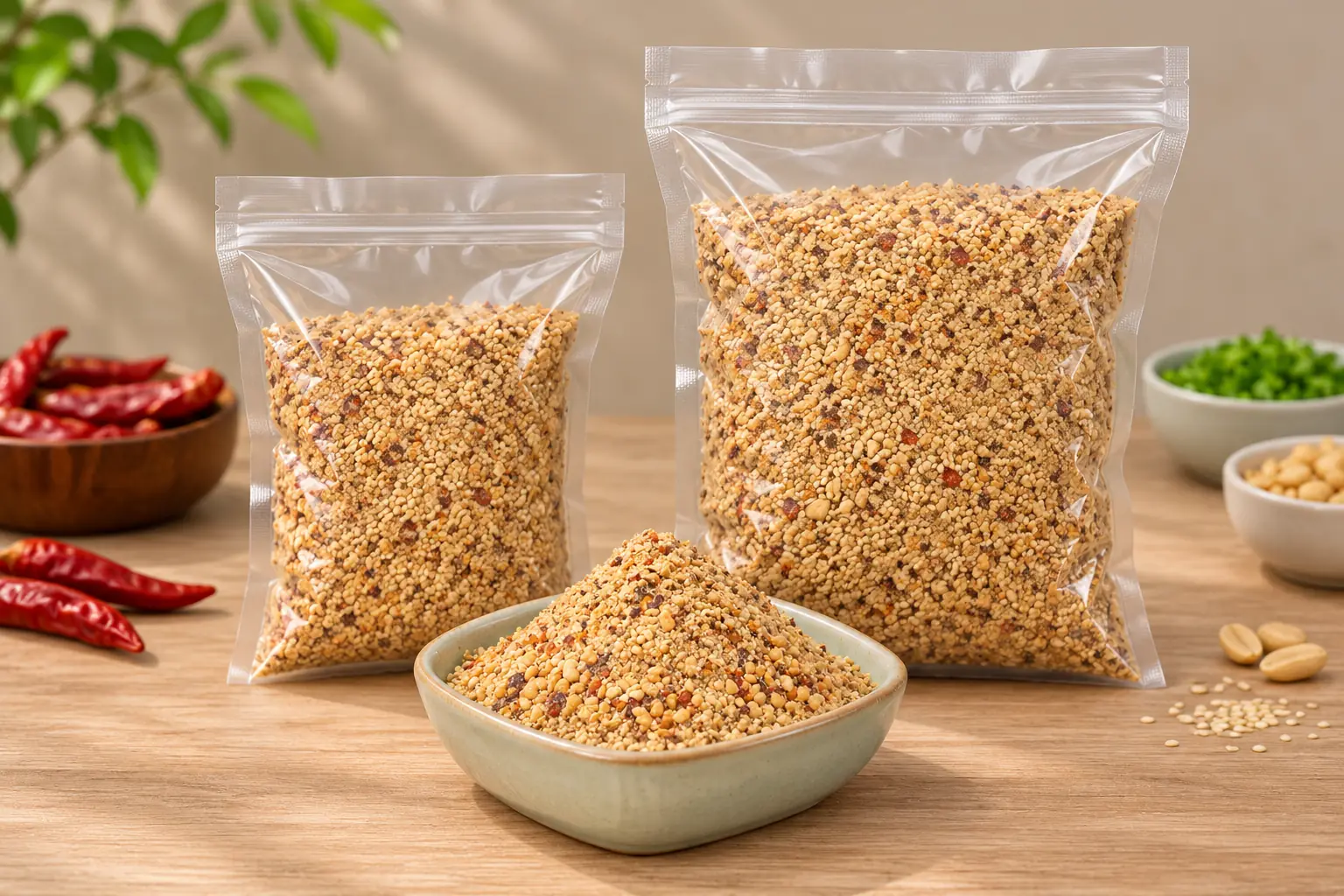
The sesame-and-peanut dip lists catering bags; the chili-and-salt reference lists a 454 g presentation; the custom seasoning lists a bottle route. These are separate commercial starting points. Confirm the packing you actually need after choosing the recipe.
Any no-added-MSG wording proposed for a pack should be reviewed against the confirmed formulation and your own acceptance requirements. Keep the label version with the recipe version so a packaging change cannot silently broaden the ingredient claim.
An Open Evidence Point Has a Practical Outcome
If the full composition has not yet been confirmed, retain the candidate as pending rather than list it as an approved no-added-MSG product. You can request the missing declaration or move to a separate custom-formulation discussion.
This gives your team a useful decision even when no current recipe is ready for approval. State the remaining evidence needed and who will review it, while keeping the target flavour and commercial brief available for the next step.
Choose the Route Before Requesting the Final Sample
Send your exact formulation rule, intended food, desired flavour, additional ingredient restrictions and whether a prepared blend or custom recipe is preferred. Identify any candidate product you want reviewed.
We can then discuss the right route and the records needed before sample approval. Keep the final declaration, accepted food trial and packing specification together for the order, with a fresh review when the recipe changes.
Discuss a No-Added-MSG Blend Requirement