
Matching Chili Powder Particle Size to a Dry Seasoning Blend
For a dry seasoning, we recommend starting with the other ingredients and your mixing route before choosing a chili-powder mesh. Our multi-format chili range lists powder options at 40–120 mesh. A separate red-chilli powder offers another ingredient route, with its particle specification to agree for the trial.
The useful purchase is a selected chili powder that works in your complete blend. Choosing the finest catalogue label, or matching every ingredient's nominal mesh, does not establish uniformity through mixing and filling.
Discuss Your Dry-Blend Requirements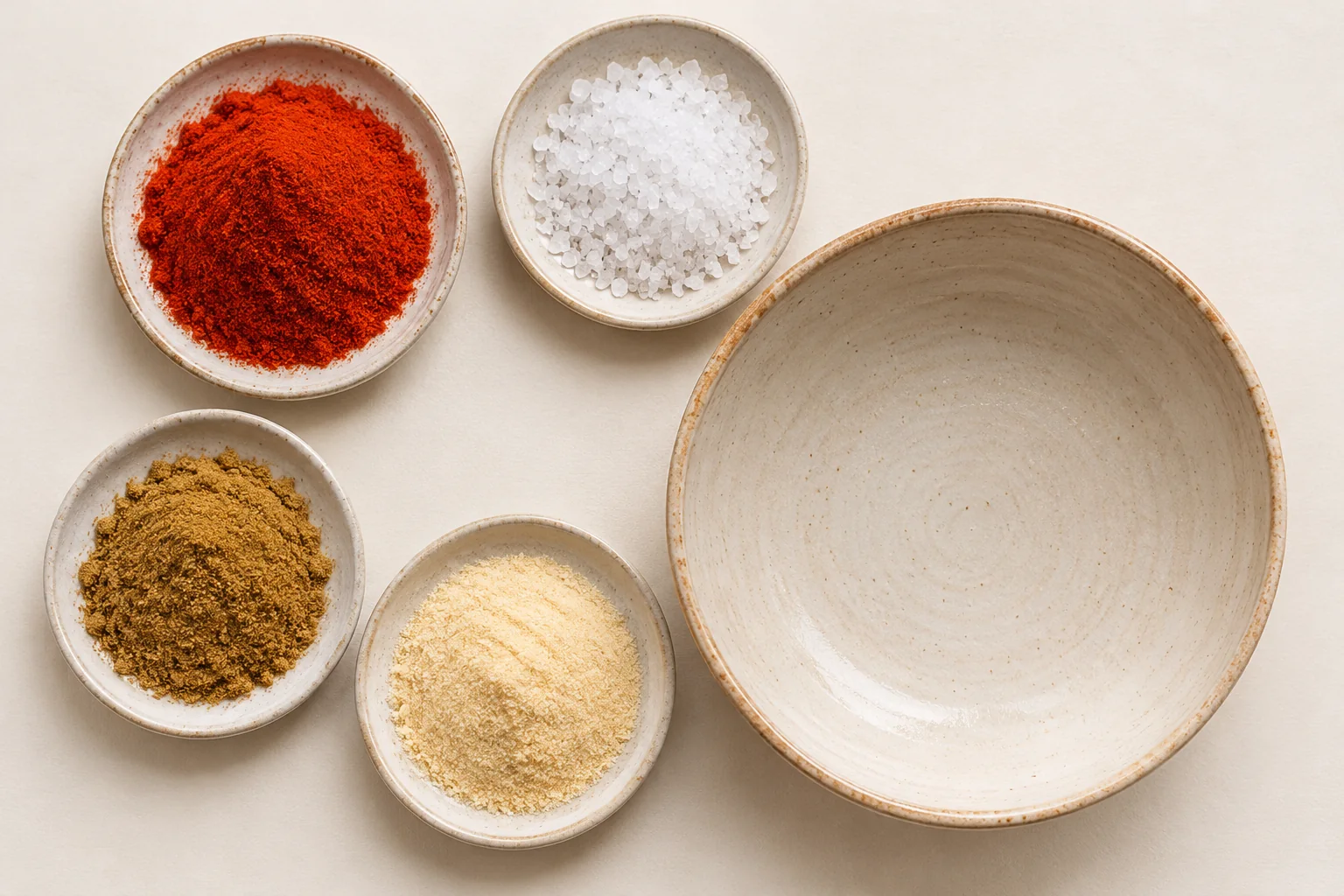
Map the Physical Requirements of the Other Powders
Give us the relevant particle information for salt, sugar, other spices and any carrier in your blend. Use approximate inclusion ranges when the exact recipe is confidential. Explain which ingredients are visible in the finished seasoning and which need to disperse without conspicuous particles.
Record your existing powder-control fields as well, including any moisture or handling observations used by your production team. These are inputs to the trial, rather than reasons to predict a particular mixing outcome without testing.
Choose One Powder Configuration from the Options
Our multi-format chili reference describes 40–120 mesh powder separately from its 5–25 mesh flakes and whole-pod formats. Ask for the powder option that your trial will actually receive. Its different chili and cayenne heat lists also need a specific selection; they are not one broad acceptance range.
The red-chilli ingredient provides a second starting point when you want to agree a powder specification around your own blend. Keep the selected composition, heat and particle requirements together rather than treating an attractive red appearance as sufficient identification.
| Reference | Available description | Resolve before approval |
|---|---|---|
| Multi-format chili powder | Powder options 40–120 mesh | Selected sieve specification, heat and seed state |
| Red-chilli ingredient | Red-chilli ingredient | Actual particle and heat requirements |
Use Physical Samples to Explain the Target
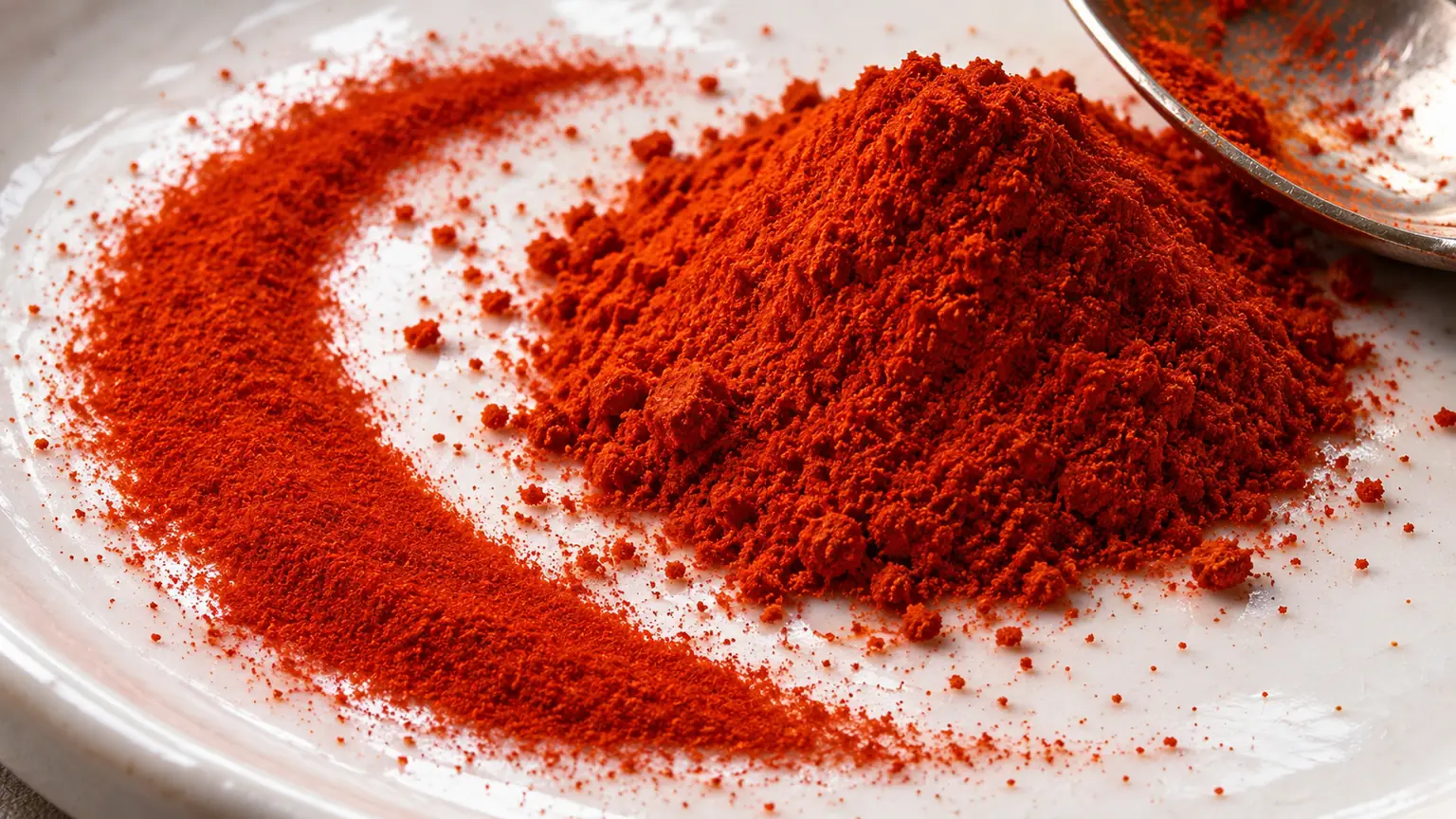
A thin layer of powder helps your team describe visible fragments and apparent texture. Use this observation to refine the brief, then request the actual sieve information needed for acceptance. A photograph cannot give a passing fraction or identify a full distribution.
When your current powder is acceptable, send its specification and a sample reference. Describe the specific improvement you need, such as a different visible texture, so the candidate comparison has a purpose beyond a changed mesh number.
Define the Particle Requirement on a Comparable Basis
Agree the sieve standard, test basis and the passing or retained fractions important to your operation. A nominal range is less useful if the two samples are described using different sieve systems or reporting conventions. Keep the selected method with the result.
Avoid assuming that all material lies between the two catalogue numbers. Ask for the agreed distribution of the actual trial powder and attach it to the sample identity, so later discussions concern the same material.
Continue Evaluation through Discharge and Packing
Take samples at locations and stages defined by your own mixing and quality procedures. Include the mixed material, relevant discharge points and packed units when those stages matter to your process. Keep the sampling position with each observation.
Compare the ingredient distribution and finished-food effect using the buyer's chosen evaluation. An acceptable sample from one part of a mixer does not establish that all packed units meet the same requirement, so the purchase trial should follow the route the blend actually takes.
| Stage | Keep constant | Buyer observation |
|---|---|---|
| After mixing | Formula, addition order and mixing conditions | Distribution in defined sample locations |
| During discharge | Same handling route | Differences across selected discharge portions |
| After packing | Selected pack and sampling plan | Differences between packed units |
| In food | Same food and dose | Flavour and visible texture |
Assess the Selected Blend in Its End Use
A visually even red seasoning can still need a food trial. Compare it at the same dose in the intended application and record heat, salt balance and particle sensation. Keep the chili change separate from unrelated formula changes during the first comparison.
If the team adjusts the recipe after sampling, create a new trial version. We can discuss a revised chili grade against that result instead of assuming one mesh choice will solve every blending and application requirement.
Keep Formulation and Material Approval Connected
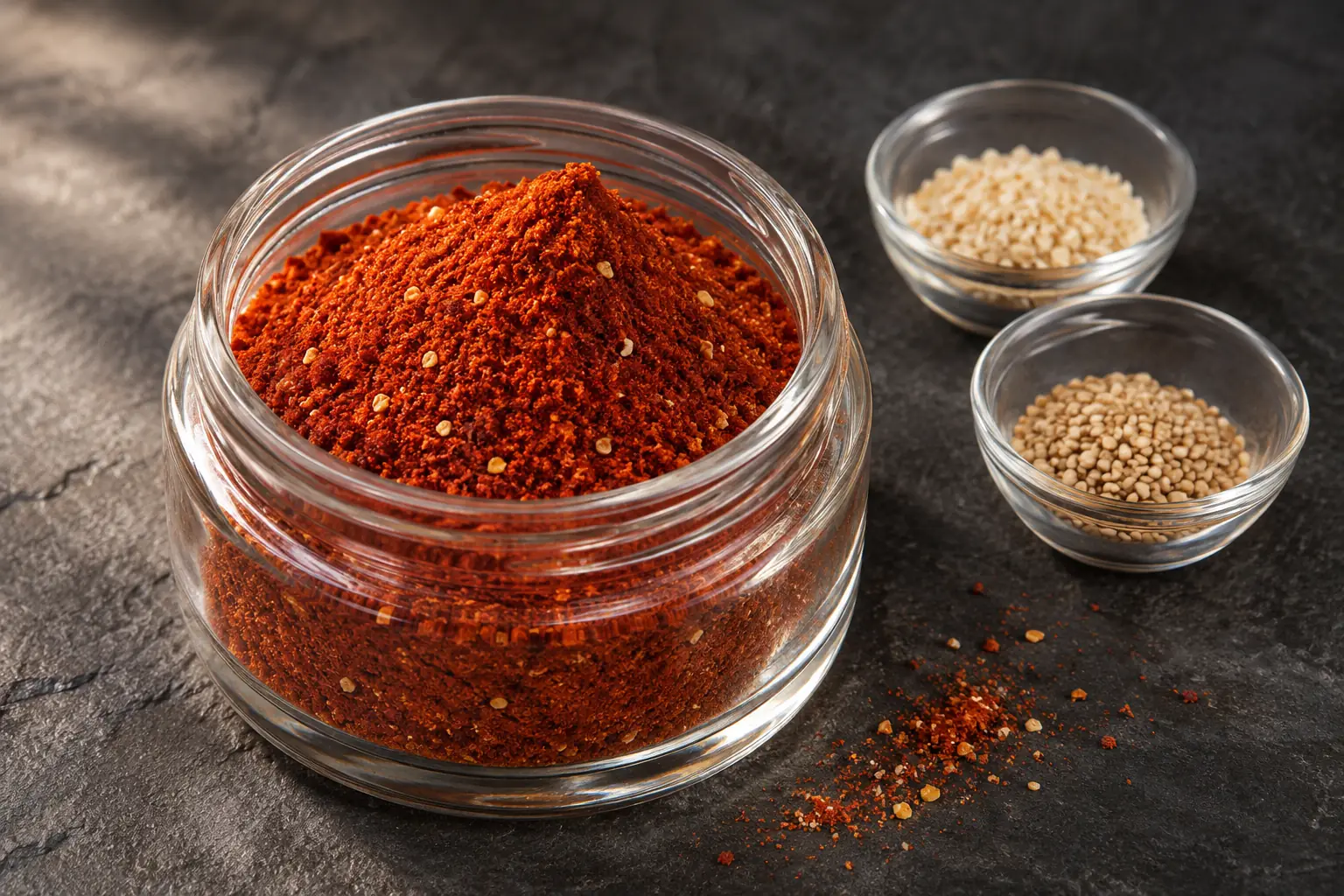
Record the chosen powder identity, any agreed exclusions and the physical acceptance criteria in one approval record. Include the successful trial version and the relevant sampling observations. This makes the approved purchase more specific than a request for fine chili powder.
If you want us to discuss blending the complete seasoning, state that as a separate project scope. Buying a chili ingredient and arranging manufacture of a buyer-owned recipe require different information and their own commercial agreement.
Carry the Approved Material into the Intended Pack
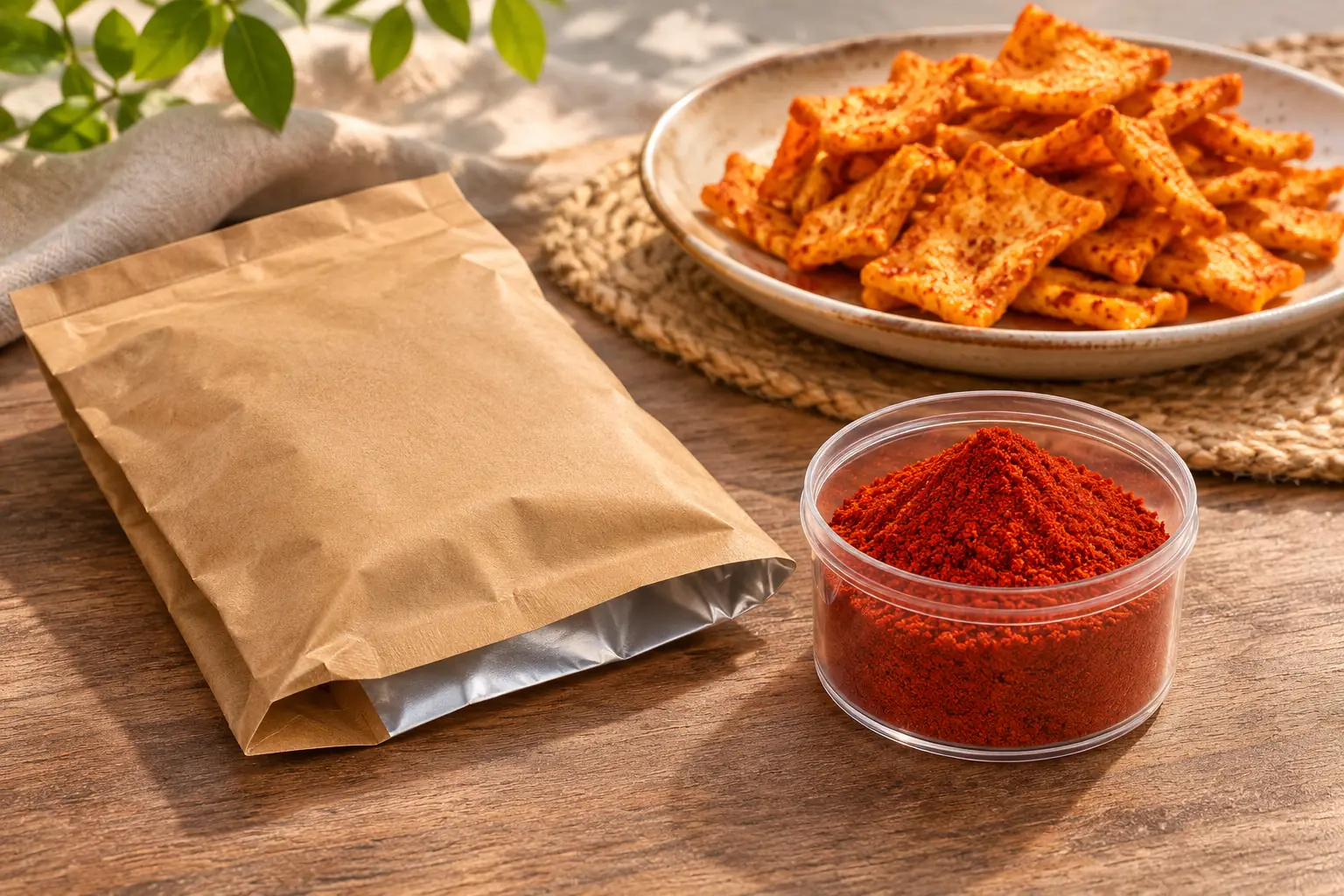
Use the pack your business expects to handle when completing the trial where practical. Record how the powder is stored and how portions are taken after opening, following the conditions agreed for the chosen ingredient.
Our multi-format chili reference describes moisture-barrier sealed bags and cold-storage wording that needs clarification for the selected supply. We should settle the applicable pack, dates and handling instructions in the quotation rather than borrowing another product's storage statement.
Build an Enquiry around Compatibility
Send us the relevant specifications of the other powders, the chili inclusion range, desired heat and particle texture, and your mixing and packing route. Include the sample quantity and the acceptance observations your team will record.
We can discuss a specific powder option and the missing data needed for the comparison. Retain the accepted grade, distribution basis and blend-trial revision together so that the next quotation identifies the material that your team actually evaluated.
Request a Powder Comparison