Small Whole Dried Chilies for Cooked Dishes
When your cooked dish needs a visible whole chili, select the pod length and intact form before comparing a general dried-chili description. Our whole-pod options include 3–5 cm and 5–7 cm starting points, with seed and stem choices confirmed for the selected grade.
The key decision is the appearance after your preparation. We can discuss whole dried chilies for this purpose, then use your cooking trial to assess heat, texture and pod integrity together. A whole raw ingredient alone does not establish the finished-food result.
Pod Length Starts with the Portion and Presentation
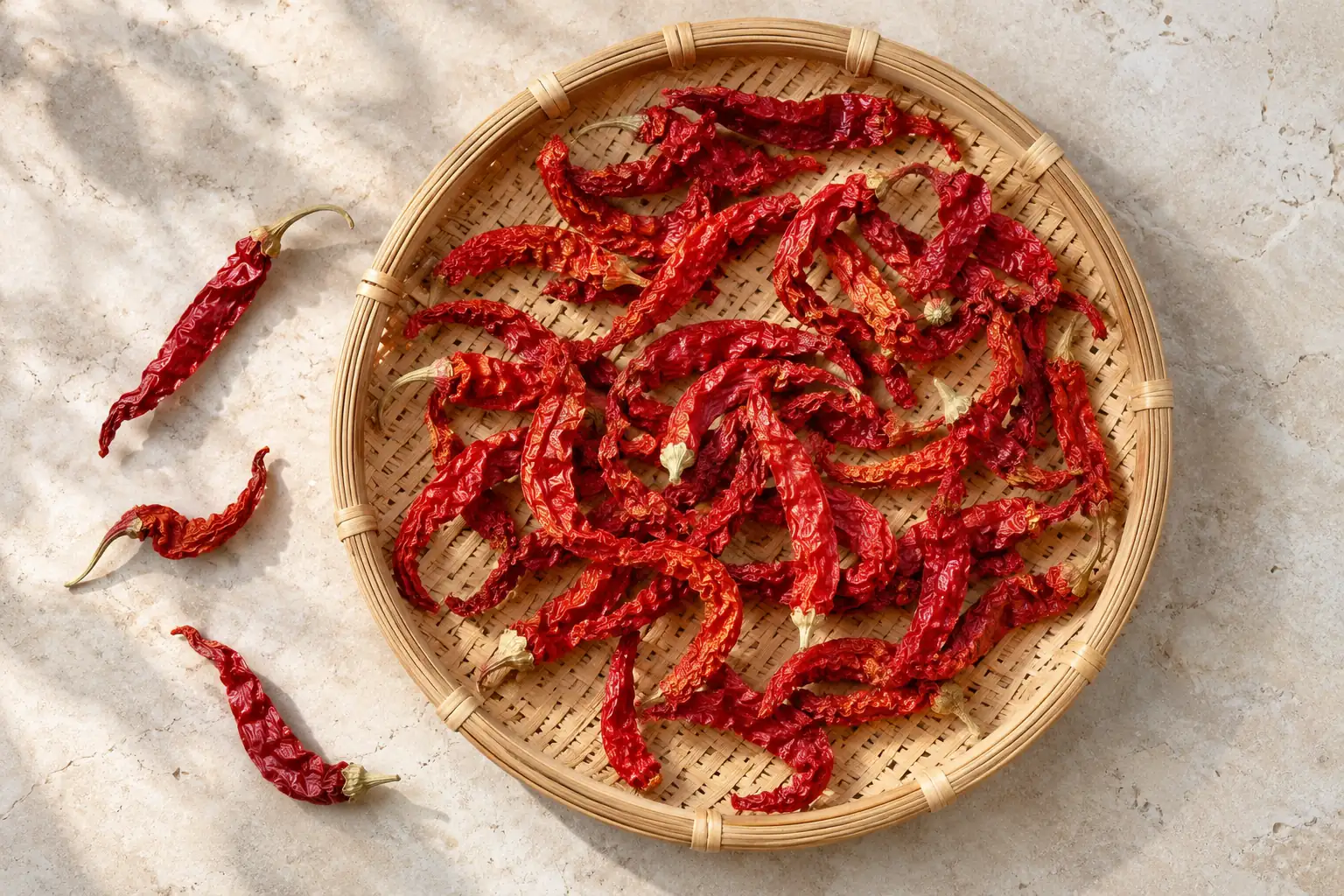
Choose the length that fits the food's serving size, container and intended appearance. A 3–5 cm pod and a 5–7 cm pod can occupy the plate differently even before heat is considered. Use those listed options to start the discussion, then agree the actual grading condition.
Specify how length is measured and whether the stem is included. Add the size variation your operation accepts and a reference sample or image showing the desired appearance, so a range becomes a usable purchasing description.
| Listed route | Selection focus | Agree with sample |
|---|---|---|
| 3–5 cm whole pods | Smaller visible accent | Measurement and grading |
| 5–7 cm whole pods | Larger whole-chili presence | Measurement and grading |
| Final selection | Your serving presentation | Accepted physical reference |
Choose the Whole-Pod Option Explicitly
Our Xian dried-chili format reference includes whole pods alongside flakes, powder and other cuts. The Yidu/G4 cooking-chili reference also provides whole-pod sizes. Identify the whole form in the quotation instead of ordering by the broad listing name alone.
Ask which variety and grade is proposed for the selected length. These listings provide routes to discuss the requirement, rather than proving that every size belongs to every named variety. Keep the selected whole pod connected to its own heat and handling information.
Whole-Pod Dried Chili Options · Yidu and G4 Cooking-Chili Options
Stem and Seed State Shape the Appearance
State whether your dish needs stemmed or stemless whole pods and whether seed state is part of the brief. A pod that looks right in a loose tray may need a different preparation for your serving process. Confirm the actual state with a sample.
Keep acceptable breakage and loose material visible in the specification. A delivery containing many fragments is a different physical input from a whole-pod presentation, even if the total weight and chili variety match. Agree the condition that matters for your dish.
Heat Selection Must Follow the Chosen Pod
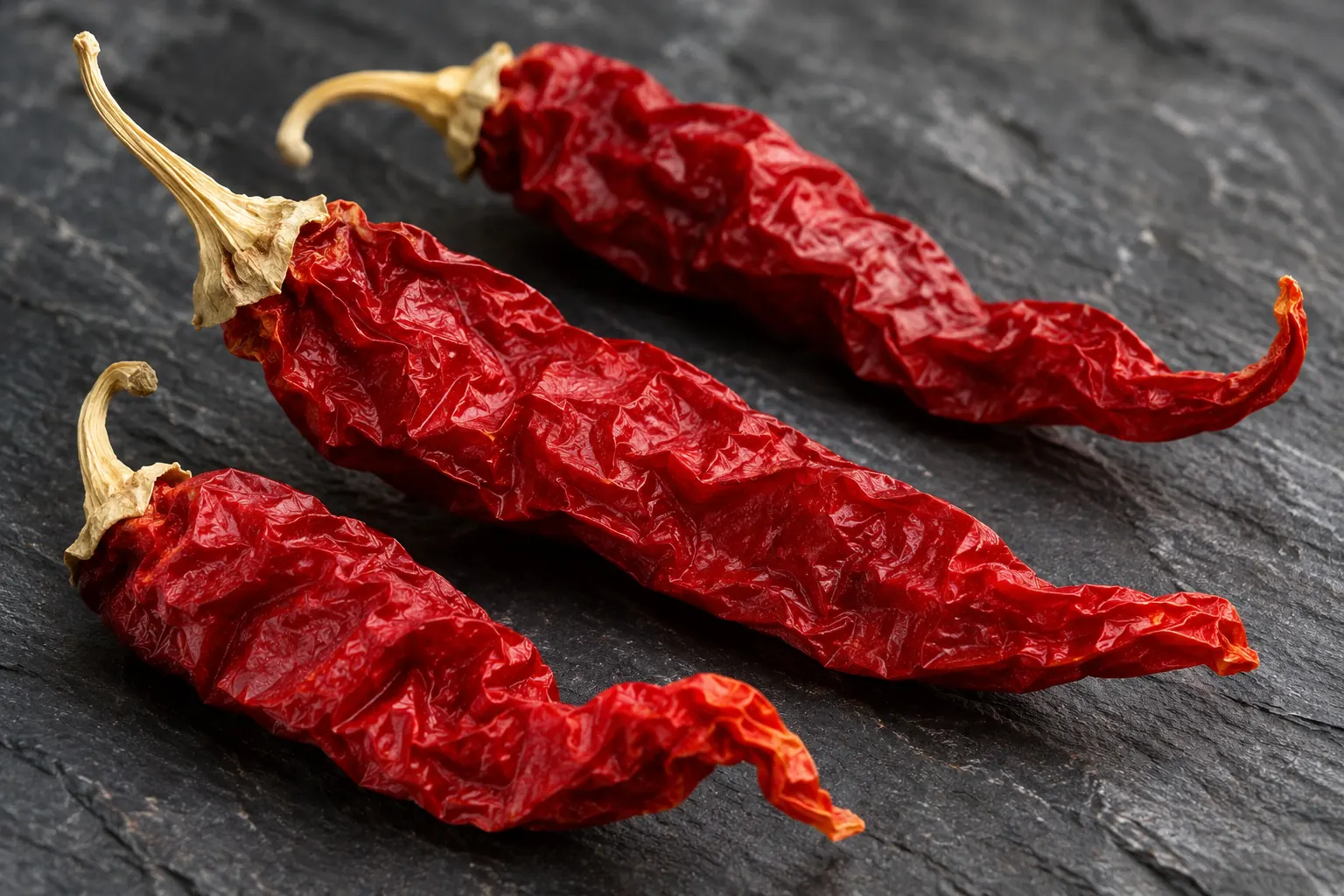
The multi-format Xian reference lists several chili and cayenne heat options. Choose the heat requirement applicable to the whole pods you intend to buy. A size range does not establish one fixed pungency, and the cayenne options should not be transferred automatically to another selected chili.
Evaluate the candidate at your intended whole-pod inclusion and preparation. If the dish needs an appearance contribution with restrained heat, make both conditions explicit. Removing pods after cooking and leaving them in the served food are also different operating choices to describe.
Inspect the Result After the Actual Cooking Steps
Use your real oil, sauce or other food base and the intended sequence of preparation. Assess how many pods remain visually acceptable, how they handle during mixing, and whether their texture suits the dish. Keep these observations distinct from the dry incoming inspection.
Record the trial conditions with the accepted sample. If you change the pod size, grade or stem state, repeat the relevant food comparison. The purpose is to select a whole chili that fits your operation, rather than assume all dried pods behave identically.
Drying, Treatment and Handling Belong to the Selected Supply
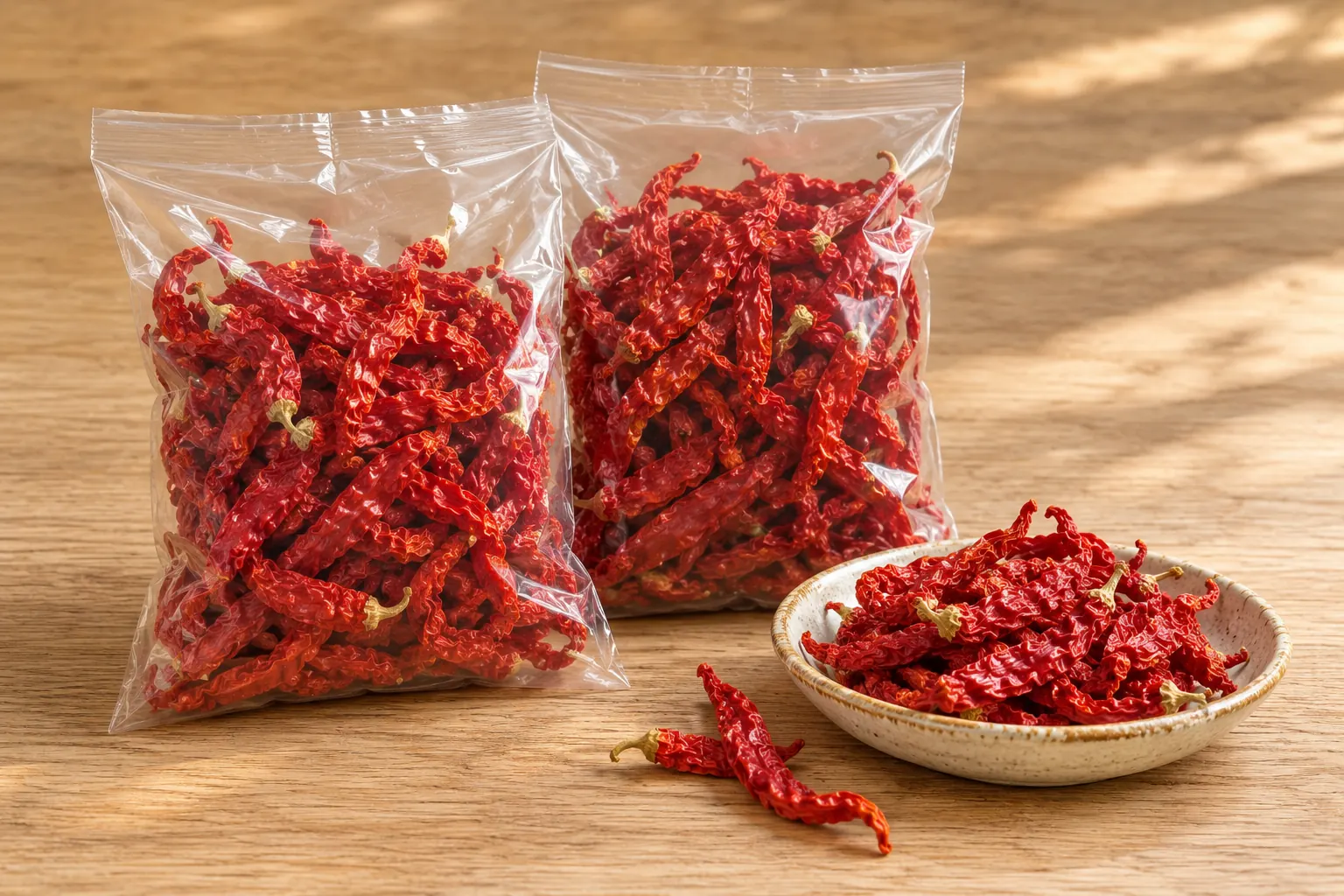
The product references describe raw dried chili with drying choices and storage instructions. Confirm the actual drying and treatment requirement for your whole-pod order. Use any processing records your quality team requires for the intended food.
The stated two-year shelf-life condition in these references is tied to −18°C. Obtain the instructions applicable to your chosen supply and storage plan before planning stock use. Do not transfer that duration to a different temperature or assume drying establishes a validated pathogen-reduction process.
A Whole Pod Has a Different Task from Milling Material
Whole chilies bought for grinding can be evaluated around milling yield and the powder they produce. Your cooked-dish order has a different priority: the selected pods remain identifiable in the finished preparation.
This distinction helps keep the purchase focused. If you decide that a ring or flake gives the dish a better appearance, select that cut separately with its own dimensions and heat. Do not accept a mix of cuts as equivalent to the whole-pod specification merely because the source chili is similar.
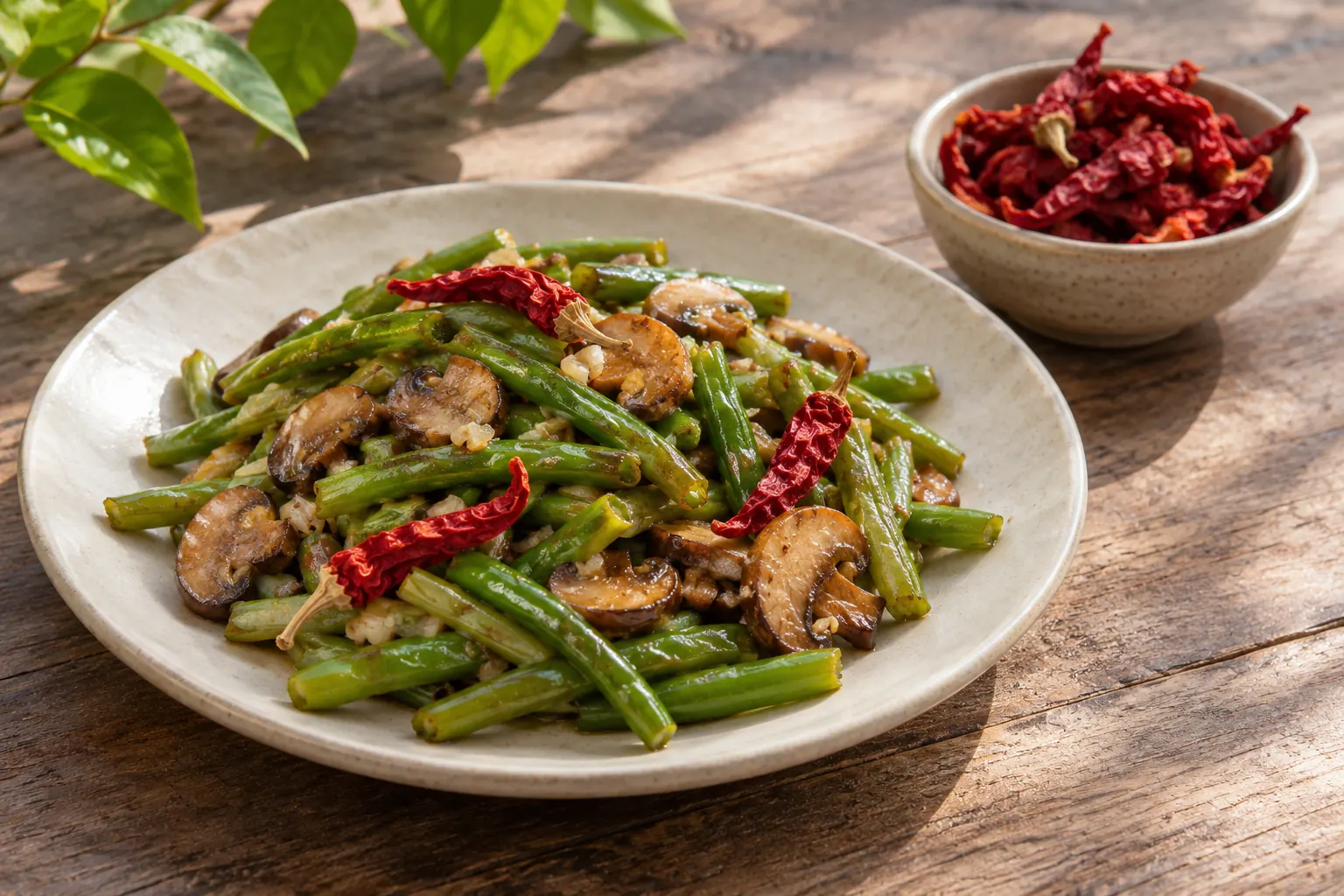
Keep a Visual Whole-Pod Standard with the Order
Agree one selected grade, length definition, seed and stem state, acceptable integrity and heat requirement. Retain the dry sample and the cooking result your team approved, then connect the agreed packing to that record.
Send your dish type and desired whole-chili appearance so we can discuss the available pod route with you. A repeat order should refer to the same physical and cooking standard, with any proposed grade change reviewed before substitution.
Discuss Whole Chilies for Your Dish