
Replacing Chili Powder for Snack Dusting Through a Sample Trial
If your snack dusting powder needs replacement, begin with the snack and the application conditions, then shortlist the ingredient. Our red chili powder names Red Chilli as its ingredient; a separate dried ground chili-and-pepper candidate is available for a composition-specific discussion.
We can discuss those materials against your current powder, desired heat, colour and particles. Neither catalogue listing establishes an adhesion or coverage result on your snack. Use a controlled comparison to decide whether a candidate provides the replacement behaviour your actual dusting process needs.
Discuss Your Snack-Dusting Powder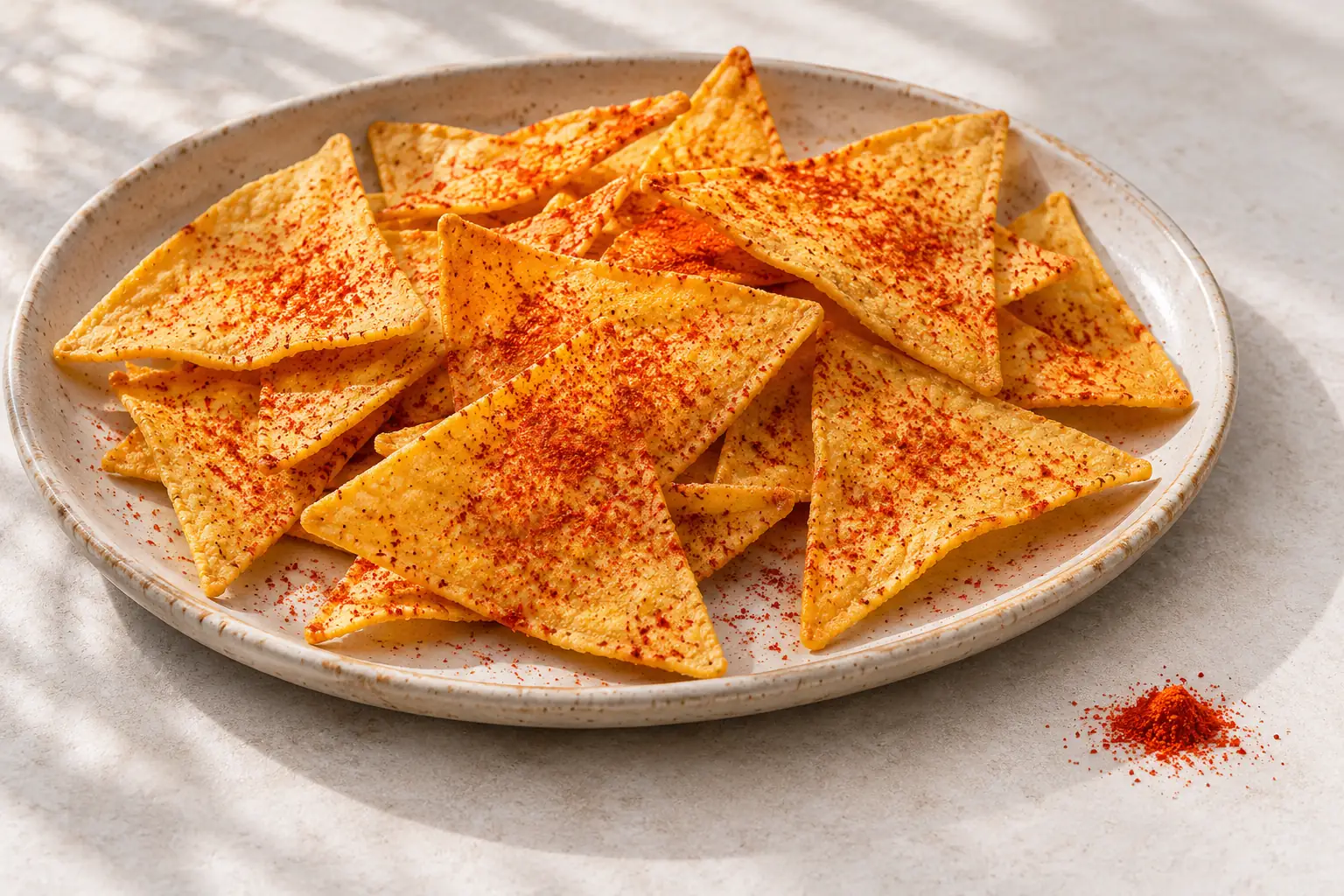
Describe the Existing Problem Before Changing the Ingredient
Record the current powder and the reason for replacement. Uneven appearance, different heat, visible coarse particles and a supply requirement are different selection problems. Identify which result must improve and which attributes already meet your product brief.
Include the snack base, its surface condition, any oil or other application aid, and the point at which powder is added. Use the actual conditions from your operation rather than assuming one dusting method suits crackers, corn snacks and roasted pulses equally.
Select the Chili Ingredient Before Comparing Coverage
The red chili powder reference provides a clear Red Chilli ingredient starting point. State the heat, colour and particle criteria required for your snack, because the listing does not assign numerical values to those fields.
The other candidate describes chilli and pepper with AD drying, raw processing and powder form. Confirm its complete composition against your formula before including it in a direct replacement trial. A complete finished seasoning, such as a chili-lime blend, is a different purchasing route from a chili ingredient.
Red Chili Powder Ingredient · Dried Ground Chili-and-Pepper Candidate
| Candidate | Declared starting identity | Define before comparison |
|---|---|---|
| Red chili powder | Red Chilli ingredient | Heat, colour, particles and treatment requirement |
| Dried ground chili-and-pepper powder | Chilli and Pepper; AD; raw; powder | Complete composition and selected physical grade |
Give Particle Requirements Their Own Acceptance Basis
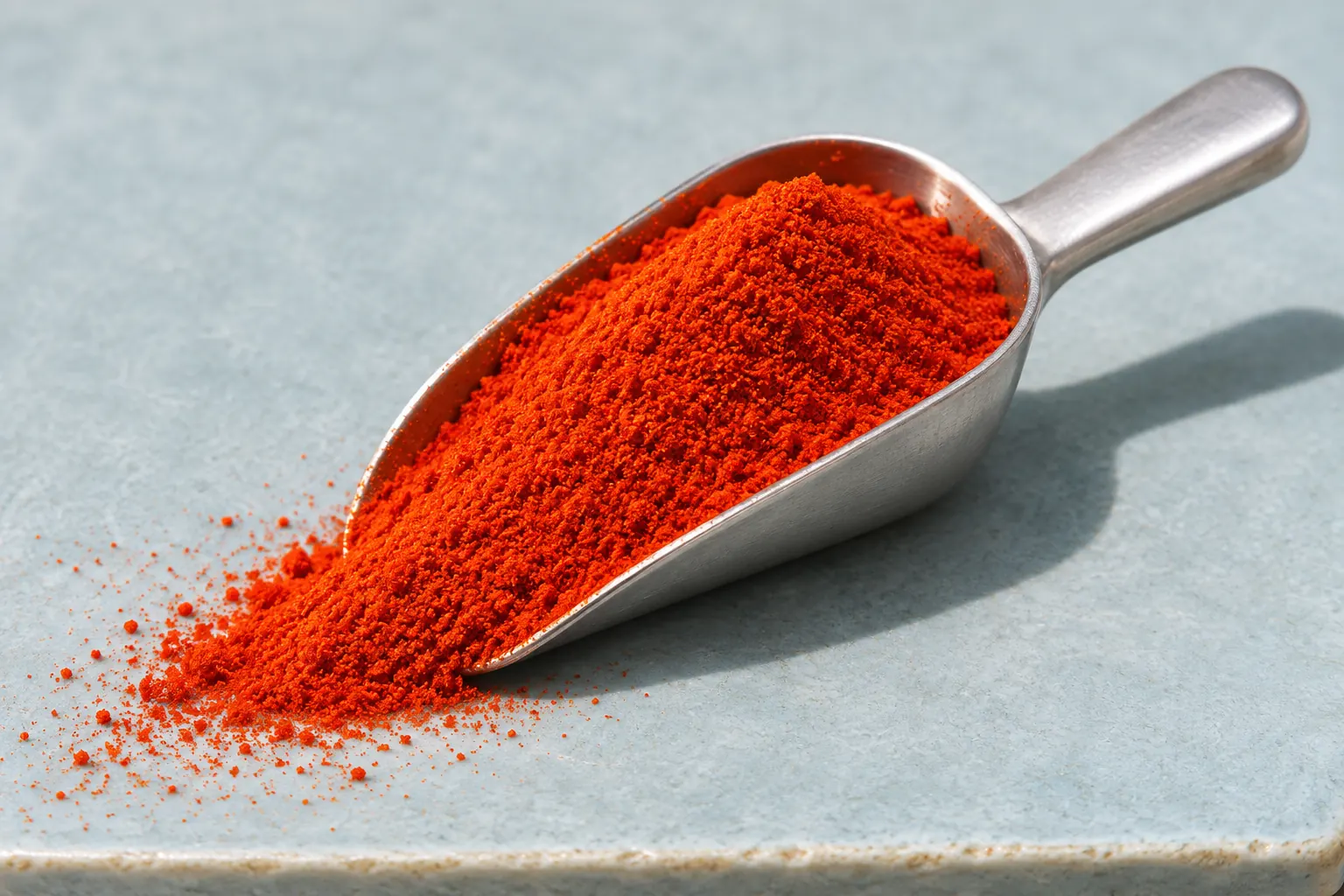
Describe the visible particles and mouthfeel your dusted snack should have. If a sieve requirement controls the incoming powder, provide the relevant distribution criteria and agreed method instead of relying on fine or coarse wording.
Keep that physical requirement with the identified sample. Powder appearance can orient the discussion, while the actual sample record determines which material is being compared. Our sieve-distribution guide develops those fields when nominal mesh alone does not provide the production acceptance you need.
Hold the Snack and Dusting Conditions Constant
Use the same snack batch for the baseline and first candidate comparison where practicable. Keep the starting powder addition, application aid, mixing procedure and evaluation point consistent. Record the conditions your team needs to reproduce the trial.
If a candidate requires a dose or process adjustment, preserve the baseline comparison and record the revised version. Changing powder, oil application and mixing conditions at the same time makes the replacement result harder to interpret. Your own process sets the relevant trial conditions and acceptance limits.
Record Coverage and Loose Powder Separately
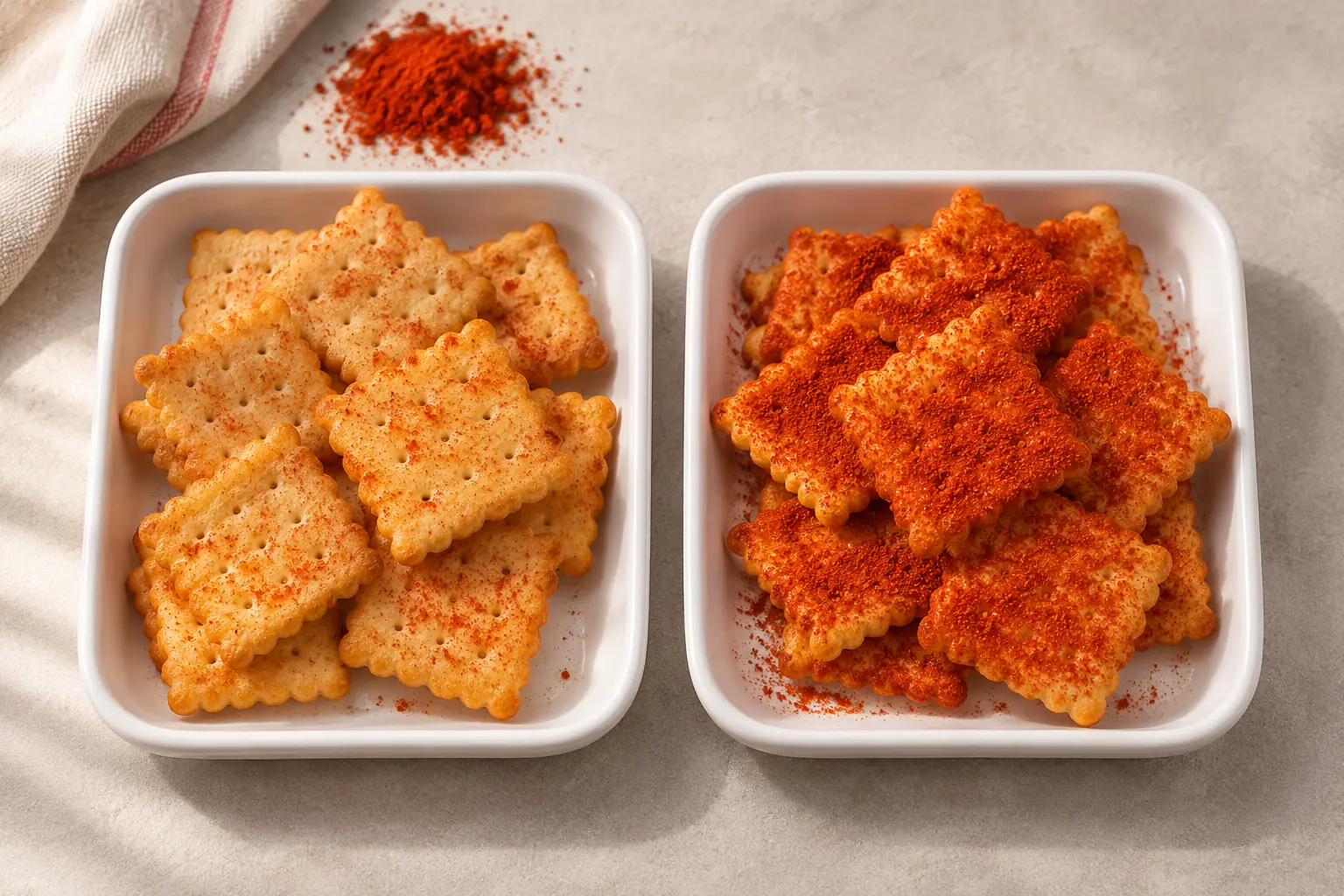
Judge the surface at the evaluation point your team normally uses. Record visible coverage and any loose powder collected or remaining after the same handling step. If you measure retained seasoning, keep the mass record and procedure with the trial rather than estimating retention from a photograph.
Compare heat, flavour, colour and mouthfeel at the same time. A stronger visible coating may also change the food’s seasoning balance, so an appearance improvement alone should not determine the replacement. Keep the accepted product result connected to the corresponding addition level.
Review Ingredient Use and Quality Requirements Together
If the powder is added after the final heating step, state that use explicitly and review the appropriate ingredient evidence with your quality team. An application trial records food performance; it does not replace the material-release requirements for that use.
For a sample comparison, keep the product identity, complete declaration and any selected treatment requirement with the quality records. Our finishing-use guide covers the focused treatment-evidence discussion, while the current page remains centered on replacing the snack-dusting ingredient.
Keep the Accepted Result Specific to the Snack
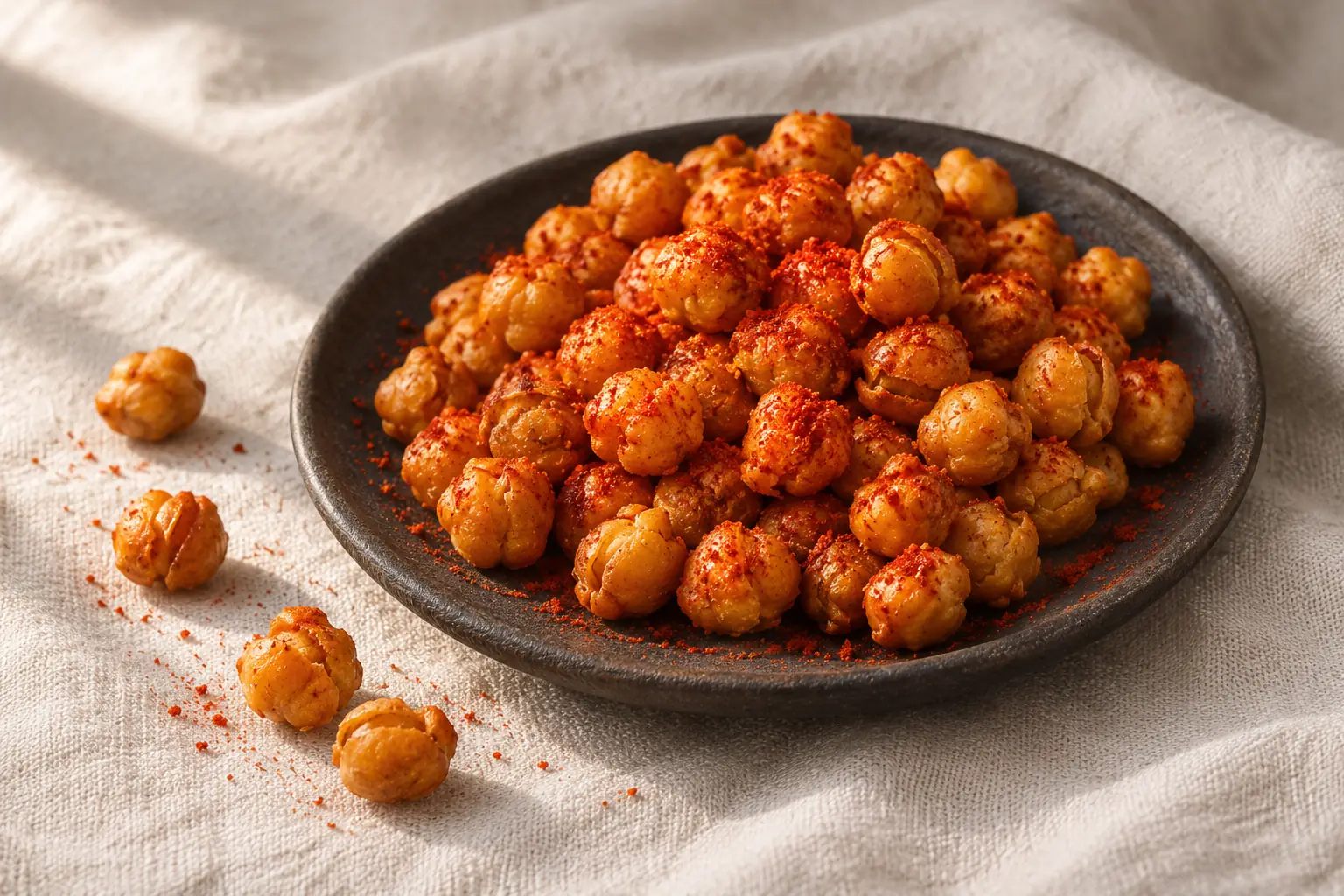
A candidate accepted on a flat cracker still needs evaluation if the food base or dusting conditions change. Preserve the accepted snack, application procedure and powder addition together. This avoids turning one sample result into a universal snack-adhesion claim.
Include the desired commercial pack and handling needs once the candidate is selected. Quantity, destination and supply timing should be discussed for the actual order. Keep the approved material specification with those terms rather than choosing a replacement by product name or powder price alone.
Send a Snack-Dusting Replacement Brief
Send the current powder, snack type, replacement problem and actual application conditions. Include target heat, colour, particle requirements, ingredient restrictions and any quality records required for the use. Add sample needs, order quantity, destination and packing.
We can discuss the red chili ingredient or the separately defined chili-and-pepper candidate against that brief. If your project needs a complete chili-lime or other finished seasoning, use the dedicated formulation route so the offer addresses the full flavour system you intend to buy.
Send Your Snack-Powder Trial Brief